
About This Book
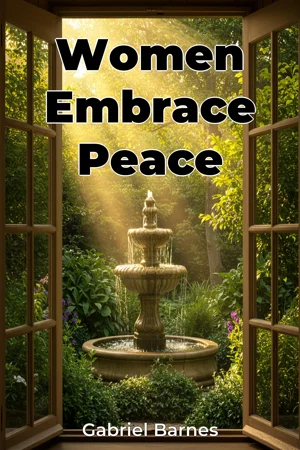
Are you a woman navigating the complexities of later life, seeking a path towards inner peace and well-being? "Women Embrace Peace" offers a comprehensive guide to understanding and cultivating calm during the later years, drawing upon statistical data and psychological insights to empower women on their journey to contentment. This book addresses two primary concerns prevalent among women in their later years: the search for sustained well-being and the navigation of societal expectations. Well-being, as defined here, encompasses emotional, psychological, and social dimensions, moving beyond mere absence of illness to encompass a thriving and fulfilling life. Societal expectations placed upon women, often emphasizing youthfulness and traditional roles, can create significant pressure and hinder the pursuit of personal peace. Understanding these influences is crucial for women to redefine their identities and prioritize their own happiness. "Women Embrace Peace" is deeply rooted in the context of evolving demographics and shifting social landscapes. As life expectancies increase, women are living longer and facing unique challenges related to aging, health, and social roles. The book acknowledges the historical context of women's roles while advocating for a re-evaluation of these roles in the modern era. No prior knowledge is required, as the book gradually introduces concepts in psychology and statistics relevant to understanding well-being data. The central argument of "Women Embrace Peace" is that women can actively cultivate inner peace in their later years by understanding the factors that contribute to their well-being and implementing strategies to mitigate stressors. The book asserts that achieving inner peace is not a passive process but an active journey of self-discovery, acceptance, and empowerment. This argument is vital because it challenges the often-negative stereotypes associated with aging and offers a proactive approach to living a fulfilling later life. The book unfolds in a logical progression. First, it introduces the core concepts of well-being, resilience, and mindfulness, setting the stage for a deeper exploration of the topic. The subsequent sections delve into specific aspects of women's lives, such as relationships, health, finances, and purpose. These are supported by statistical data on women's well-being across different age groups and socioeconomic backgrounds. A dedicated section addresses practical strategies for enhancing well-being, including mindfulness exercises, cognitive reframing techniques, and lifestyle modifications. The book culminates in a comprehensive action plan for women to create a personalized roadmap towards lasting peace and contentment. The evidence presented in "Women Embrace Peace" includes statistical data from reputable sources such as national surveys on well-being, longitudinal studies on aging, and research from leading psychology journals. Additionally, the book incorporates case studies and personal anecdotes to illustrate the practical application of the concepts discussed. The unique aspect of the data is its focus on female experiences, providing a nuanced understanding of the challenges and opportunities faced by women in later life. The book’s exploration of women's well-being intersects with Gerontology, examining the aging process and its impact on mental health. It also connects to Sociology, by looking at the impact of social structures and gender roles on subjective well-being. Finally, links to Economics explore the financial factors that contribute to stress or calm. These interdisciplinary connections augment the analysis providing a richer understanding of the issues. What sets “Women Embrace Peace” apart is its strengths-based approach, which emphasizes personal growth and empowerment instead of focusing on decline or limitations. The tone is conversational and encouraging, making the book accessible to a wide audience. The writing style blends evidence-based research with practical advice, creating a resource that is both informative and actionable. "Women Embrace Peace" is intended for women aged 50 and older who are seeking to improve their well-being and find greater peace in their lives. It will also be beneficial to therapists, counselors, and caregivers who work with older women, providing them with valuable insights and strategies to support their clients' well-being. As a self-help book grounded in psychological principles, it offers practical tools and techniques for readers to implement in their daily lives. The scope of "Women Embrace Peace" is broad, covering various aspects of women's lives, but it intentionally focuses on the later years, primarily from age 50 onwards. The book acknowledges that the experiences of women are diverse and that individual journeys will vary. The limitations include not delving into specific medical conditions, such as dementia, which require specialized care. The information in "Women Embrace Peace" can be applied practically by readers through self-assessment exercises, goal-setting activities, and guided meditations. The book encourages readers to develop personalized action plans based on their individual needs and circumstances. Finally, the discussions around the role of medication in mental well-being are addressed, acknowledging varying opinions within the medical and psychological communities while advocating for informed decision-making and the importance of holistic approaches that combine medication with lifestyle adjustments. This book does not shy away from nuanced debates, ensuring a well-rounded discussion of relevant issues.
Are you a woman navigating the complexities of later life, seeking a path towards inner peace and well-being? "Women Embrace Peace" offers a comprehensive guide to understanding and cultivating calm during the later years, drawing upon statistical data and psychological insights to empower women on their journey to contentment. This book addresses two primary concerns prevalent among women in their later years: the search for sustained well-being and the navigation of societal expectations. Well-being, as defined here, encompasses emotional, psychological, and social dimensions, moving beyond mere absence of illness to encompass a thriving and fulfilling life. Societal expectations placed upon women, often emphasizing youthfulness and traditional roles, can create significant pressure and hinder the pursuit of personal peace. Understanding these influences is crucial for women to redefine their identities and prioritize their own happiness. "Women Embrace Peace" is deeply rooted in the context of evolving demographics and shifting social landscapes. As life expectancies increase, women are living longer and facing unique challenges related to aging, health, and social roles. The book acknowledges the historical context of women's roles while advocating for a re-evaluation of these roles in the modern era. No prior knowledge is required, as the book gradually introduces concepts in psychology and statistics relevant to understanding well-being data. The central argument of "Women Embrace Peace" is that women can actively cultivate inner peace in their later years by understanding the factors that contribute to their well-being and implementing strategies to mitigate stressors. The book asserts that achieving inner peace is not a passive process but an active journey of self-discovery, acceptance, and empowerment. This argument is vital because it challenges the often-negative stereotypes associated with aging and offers a proactive approach to living a fulfilling later life. The book unfolds in a logical progression. First, it introduces the core concepts of well-being, resilience, and mindfulness, setting the stage for a deeper exploration of the topic. The subsequent sections delve into specific aspects of women's lives, such as relationships, health, finances, and purpose. These are supported by statistical data on women's well-being across different age groups and socioeconomic backgrounds. A dedicated section addresses practical strategies for enhancing well-being, including mindfulness exercises, cognitive reframing techniques, and lifestyle modifications. The book culminates in a comprehensive action plan for women to create a personalized roadmap towards lasting peace and contentment. The evidence presented in "Women Embrace Peace" includes statistical data from reputable sources such as national surveys on well-being, longitudinal studies on aging, and research from leading psychology journals. Additionally, the book incorporates case studies and personal anecdotes to illustrate the practical application of the concepts discussed. The unique aspect of the data is its focus on female experiences, providing a nuanced understanding of the challenges and opportunities faced by women in later life. The book’s exploration of women's well-being intersects with Gerontology, examining the aging process and its impact on mental health. It also connects to Sociology, by looking at the impact of social structures and gender roles on subjective well-being. Finally, links to Economics explore the financial factors that contribute to stress or calm. These interdisciplinary connections augment the analysis providing a richer understanding of the issues. What sets “Women Embrace Peace” apart is its strengths-based approach, which emphasizes personal growth and empowerment instead of focusing on decline or limitations. The tone is conversational and encouraging, making the book accessible to a wide audience. The writing style blends evidence-based research with practical advice, creating a resource that is both informative and actionable. "Women Embrace Peace" is intended for women aged 50 and older who are seeking to improve their well-being and find greater peace in their lives. It will also be beneficial to therapists, counselors, and caregivers who work with older women, providing them with valuable insights and strategies to support their clients' well-being. As a self-help book grounded in psychological principles, it offers practical tools and techniques for readers to implement in their daily lives. The scope of "Women Embrace Peace" is broad, covering various aspects of women's lives, but it intentionally focuses on the later years, primarily from age 50 onwards. The book acknowledges that the experiences of women are diverse and that individual journeys will vary. The limitations include not delving into specific medical conditions, such as dementia, which require specialized care. The information in "Women Embrace Peace" can be applied practically by readers through self-assessment exercises, goal-setting activities, and guided meditations. The book encourages readers to develop personalized action plans based on their individual needs and circumstances. Finally, the discussions around the role of medication in mental well-being are addressed, acknowledging varying opinions within the medical and psychological communities while advocating for informed decision-making and the importance of holistic approaches that combine medication with lifestyle adjustments. This book does not shy away from nuanced debates, ensuring a well-rounded discussion of relevant issues.
"Women Embrace Peace" addresses the quest for inner peace and well-being among women in their later years, specifically those over 50. It acknowledges the unique challenges women face as they age, including societal pressures and evolving social roles. This self-help guide empowers women to redefine their identities and prioritize their happiness through mindfulness and resilience. The book highlights that sustained well-being encompasses emotional, psychological, and social dimensions, moving beyond the absence of illness to a thriving life. Did you know that as life expectancies increase, women are living longer and facing unique challenges related to aging, health, and social roles? The book argues that inner peace is not passive but requires self-discovery and empowerment. The book begins by introducing core concepts like well-being and mindfulness and progresses to specific aspects of women's lives such as relationships, health, and finances. It incorporates statistical data, case studies, and personal anecdotes to illustrate concepts and offer practical strategies. A key aspect is the focus on female experiences, providing a nuanced understanding of the challenges and opportunities faced by women in later life. Readers will find practical techniques for stress reduction, cognitive reframing, and lifestyle modifications. The book culminates in a personalized action plan to foster lasting peace and contentment in aging.
Book Details
ISBN
9788235228512
Publisher
Publifye AS
Your Licenses
You don't own any licenses for this book
Purchase a license below to unlock this book and download the EPUB.
Purchase License
Select a tier to unlock this book
Need bulk licensing?
Contact us for enterprise agreements.