
About This Book
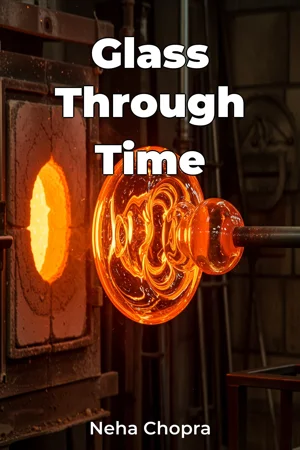
Did you know that one of the most pervasive materials used in technology, art, and daily living originated from an accidental discovery? "Glass Through Time" unravels the captivating story of glass, exploring its unexpected genesis and its profound impact on human civilization. This book delves into the science, history, and cultural significance of this ubiquitous material, charting its journey from a serendipitous find to an indispensable element of modern life. We will investigate two core themes: firstly, the evolution of glassmaking technologies, from early methods of production to contemporary industrial processes. The second, how glass transformed various aspects of human society, including architecture, science, and art. These explorations are crucial because they demonstrate how a single material, born from chance, has shaped our world in countless ways. To fully appreciate the story of glass, we need to understand its basic scientific properties and the historical contexts in which it emerged. The book will explain the components and processes involved in glass formation, as well as the social and economic climates that fostered its development. The central argument of "Glass Through Time" is that the history of glass is, in many ways, a reflection of human progress and ingenuity. It is a testament to our ability to harness natural phenomena for technological advancement, artistic expression, and improved quality of life. Understanding this trajectory provides insight into not only the past but also the potential of materials science to shape our future. The book’s structure follows a chronological narrative, beginning with the earliest known examples of glassmaking in ancient Mesopotamia and Egypt. We will explore the composition of these early glasses and analyze the techniques used to create them. The narrative progresses through the Roman era to the Middle Ages, examining the spread of glassmaking across Europe and the development of stained glass artistry. Key chapters will focus on the Venetian glass industry, a period of unprecedented innovation and artistic achievement. The book will then analyze the scientific revolution and the advancements in glassmaking during the eighteenth and nineteenth centuries, including the invention of new glass types and manufacturing processes. Finally, it will culminate in an examination of the role of glass in modern technology, from fiber optics to advanced display screens, and discuss its implications for sustainable development. The evidence presented in this book draws from archaeological findings, historical documents, scientific analyses of glass artifacts, and case studies of significant glassmaking centers. We will incorporate data from museum collections, scholarly publications, and technical reports to offer a comprehensive and fact-based account. "Glass Through Time" connects to several other fields of study, including archaeology, art history, materials science, and technology studies. By integrating these perspectives, the book offers a holistic understanding of glass as both a cultural artifact and a scientific marvel. The book adopts a narrative non-fiction style, combining historical storytelling with scientific explanations to engage a broad audience. While thoroughly researched and academically sound, the writing remains accessible and engaging, making it suitable for general readers with an interest in science, history, or art. The target audience includes history enthusiasts, science buffs, art aficionados, and anyone curious about the origins and evolution of everyday materials. The book would be valuable to students, researchers, and industry professionals seeking a comprehensive overview of glass history and technology. As a work of science history, this book aims to present accurate and verifiable information, adhering to the conventions of scholarly research and documentation. While the book covers a vast span of time and a wide range of topics, it focuses specifically on the history and evolution of glass, without delving too deeply into the technical details of modern glass manufacturing processes. The information presented in "Glass Through Time" has practical applications for professionals in architecture, design, and manufacturing, as well as insights for policymakers concerned with sustainable materials management. The book will touch upon controversies and debates surrounding the environmental impact of glass production and disposal, as well as the ethical implications of its use in surveillance technologies. By acknowledging these complex issues, the book aims to provide a balanced and nuanced perspective on the role of glass in contemporary society.
Did you know that one of the most pervasive materials used in technology, art, and daily living originated from an accidental discovery? "Glass Through Time" unravels the captivating story of glass, exploring its unexpected genesis and its profound impact on human civilization. This book delves into the science, history, and cultural significance of this ubiquitous material, charting its journey from a serendipitous find to an indispensable element of modern life. We will investigate two core themes: firstly, the evolution of glassmaking technologies, from early methods of production to contemporary industrial processes. The second, how glass transformed various aspects of human society, including architecture, science, and art. These explorations are crucial because they demonstrate how a single material, born from chance, has shaped our world in countless ways. To fully appreciate the story of glass, we need to understand its basic scientific properties and the historical contexts in which it emerged. The book will explain the components and processes involved in glass formation, as well as the social and economic climates that fostered its development. The central argument of "Glass Through Time" is that the history of glass is, in many ways, a reflection of human progress and ingenuity. It is a testament to our ability to harness natural phenomena for technological advancement, artistic expression, and improved quality of life. Understanding this trajectory provides insight into not only the past but also the potential of materials science to shape our future. The book’s structure follows a chronological narrative, beginning with the earliest known examples of glassmaking in ancient Mesopotamia and Egypt. We will explore the composition of these early glasses and analyze the techniques used to create them. The narrative progresses through the Roman era to the Middle Ages, examining the spread of glassmaking across Europe and the development of stained glass artistry. Key chapters will focus on the Venetian glass industry, a period of unprecedented innovation and artistic achievement. The book will then analyze the scientific revolution and the advancements in glassmaking during the eighteenth and nineteenth centuries, including the invention of new glass types and manufacturing processes. Finally, it will culminate in an examination of the role of glass in modern technology, from fiber optics to advanced display screens, and discuss its implications for sustainable development. The evidence presented in this book draws from archaeological findings, historical documents, scientific analyses of glass artifacts, and case studies of significant glassmaking centers. We will incorporate data from museum collections, scholarly publications, and technical reports to offer a comprehensive and fact-based account. "Glass Through Time" connects to several other fields of study, including archaeology, art history, materials science, and technology studies. By integrating these perspectives, the book offers a holistic understanding of glass as both a cultural artifact and a scientific marvel. The book adopts a narrative non-fiction style, combining historical storytelling with scientific explanations to engage a broad audience. While thoroughly researched and academically sound, the writing remains accessible and engaging, making it suitable for general readers with an interest in science, history, or art. The target audience includes history enthusiasts, science buffs, art aficionados, and anyone curious about the origins and evolution of everyday materials. The book would be valuable to students, researchers, and industry professionals seeking a comprehensive overview of glass history and technology. As a work of science history, this book aims to present accurate and verifiable information, adhering to the conventions of scholarly research and documentation. While the book covers a vast span of time and a wide range of topics, it focuses specifically on the history and evolution of glass, without delving too deeply into the technical details of modern glass manufacturing processes. The information presented in "Glass Through Time" has practical applications for professionals in architecture, design, and manufacturing, as well as insights for policymakers concerned with sustainable materials management. The book will touch upon controversies and debates surrounding the environmental impact of glass production and disposal, as well as the ethical implications of its use in surveillance technologies. By acknowledging these complex issues, the book aims to provide a balanced and nuanced perspective on the role of glass in contemporary society.
"Glass Through Time" explores the fascinating history of glass, from its accidental origins to its vital role in modern technology. The book charts glassmaking's evolution, highlighting how this material has profoundly shaped architecture, science, and art. One intriguing aspect is that early glassmaking techniques, originating in Mesopotamia and Egypt, involved meticulous processes still studied today. Another is the Venetian glass industry's groundbreaking innovations, which set new standards for artistry and craftsmanship. The book adopts a chronological approach, starting with ancient glass artifacts and progressing through the Roman era, the Middle Ages, and the scientific revolution. Each chapter builds upon the last, examining the social, economic, and scientific contexts that influenced glass development. By integrating archaeological findings, historical documents, and scientific analyses, "Glass Through Time" offers a comprehensive view of glass as both a cultural artifact and a scientific marvel, suitable for history enthusiasts, science buffs, and art aficionados alike.
Book Details
ISBN
9788235228192
Publisher
Publifye AS
Your Licenses
You don't own any licenses for this book
Purchase a license below to unlock this book and download the EPUB.
Purchase License
Select a tier to unlock this book
Need bulk licensing?
Contact us for enterprise agreements.