
About This Book
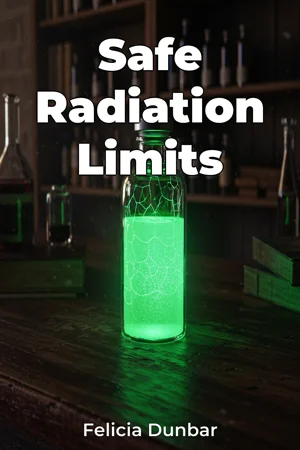
Do we truly understand the risks of radiation exposure in our modern world, and are the safety guidelines we rely on truly safe? "Safe Radiation Limits" delves into the complex and often misunderstood world of radiation, offering a comprehensive analysis of current exposure guidelines and their effectiveness in protecting public health. This book addresses the critical need for a clear, evidence-based understanding of radiation risks in an age of increasing technological advancement and potential environmental hazards. This book explores three central themes: the nature of radiation and its biological effects, the history and evolution of radiation safety standards, and the application of these standards in various real-world scenarios. Understanding the fundamental science of how radiation interacts with living tissue is paramount. This includes exploring different types of radiation (alpha, beta, gamma, X-rays) and their specific impacts on cellular function and DNA integrity. The book will discuss how these interactions can lead to both acute and chronic health problems, including cancer. Reviewing the historical context of how radiation safety standards were established, often in response to tragic events or incomplete scientific data is crucial, from the early days of radium use to the aftermath of nuclear disasters. Finally, examining the application of radiation safety standards in medicine, industry, and environmental regulation is essential to understand their practical implications. The central argument of "Safe Radiation Limits" is that the currently accepted "safe" levels of radiation exposure, while based on extensive research, may not adequately protect vulnerable populations or account for long-term, low-dose exposures. This argument's importance stems from its potential impact on public health policy and individual choices regarding medical treatments, occupational safety, and environmental protection. The book aims to stimulate a more informed and nuanced discussion about the true risks of radiation and the need for more rigorous and precautionary safety measures. The book begins by introducing the basic principles of radiation physics and biology. Following this, it traces the development of radiation safety standards from the early 20th century to the present day, highlighting key scientific discoveries, regulatory decisions, and ethical considerations that have shaped these standards. Subsequent chapters will delve into specific areas of concern, such as the risks associated with medical imaging, occupational exposure in nuclear industries, and the long-term consequences of environmental contamination from nuclear accidents. The book concludes by proposing a framework for a more comprehensive and protective approach to radiation safety, emphasizing the importance of ongoing research, public education, and proactive risk management. The arguments presented in this book are supported by a thorough review of peer-reviewed scientific literature, epidemiological studies, and reports from international organizations such as the International Commission on Radiological Protection (ICRP) and the United Nations Scientific Committee on the Effects of Atomic Radiation (UNSCEAR). It also draws on data from government agencies and independent research institutions around the world. "Safe Radiation Limits" connects to various fields, including public health, environmental science, and medical physics. It emphasizes the ethical dimensions of radiation safety, particularly concerning the potential for unequal exposure risks among different populations. It employs a critical analysis of existing risk assessment models and proposes alternative approaches that incorporate a wider range of factors, such as individual susceptibility and cumulative exposure effects. The book adopts a tone that is both informative and accessible. While grounded in scientific rigor, the writing style is designed to be understandable to a broad audience, including healthcare professionals, policymakers, environmental advocates, and concerned citizens. The primary target audience for this book includes public health professionals, environmental scientists, medical physicists, policymakers, and anyone interested in understanding the risks and regulations surrounding radiation exposure. It will be valuable to those seeking a deeper understanding of the scientific evidence and ethical considerations that underpin radiation safety standards. As a work of science and public health, it is expected to uphold the standards of accuracy, objectivity, and transparency, presenting information in a balanced and unbiased manner. The scope of the book is limited to the assessment and application of safety guidelines related to ionizing radiation. It does not delve into the physics of non-ionizing radiation (e.g., radio waves, microwaves), although it acknowledges the importance of addressing these forms of radiation as well. The book's information can be applied practically by individuals seeking to make informed decisions about their exposure to radiation in medical settings, workplaces, and everyday life. It also provides valuable insights for policymakers and regulators seeking to develop more effective strategies for protecting public health and the environment. The book addresses several ongoing debates in the field of radiation safety, including the linear no-threshold (LNT) model of cancer risk, the role of hormesis (the idea that low doses of radiation may be beneficial), and the adequacy of current safety standards for vulnerable populations such as children and pregnant women. By presenting a balanced and informed perspective on these controversies, "Safe Radiation Limits" seeks to contribute to a more constructive and evidence-based dialogue about the future of radiation safety.
Do we truly understand the risks of radiation exposure in our modern world, and are the safety guidelines we rely on truly safe? "Safe Radiation Limits" delves into the complex and often misunderstood world of radiation, offering a comprehensive analysis of current exposure guidelines and their effectiveness in protecting public health. This book addresses the critical need for a clear, evidence-based understanding of radiation risks in an age of increasing technological advancement and potential environmental hazards. This book explores three central themes: the nature of radiation and its biological effects, the history and evolution of radiation safety standards, and the application of these standards in various real-world scenarios. Understanding the fundamental science of how radiation interacts with living tissue is paramount. This includes exploring different types of radiation (alpha, beta, gamma, X-rays) and their specific impacts on cellular function and DNA integrity. The book will discuss how these interactions can lead to both acute and chronic health problems, including cancer. Reviewing the historical context of how radiation safety standards were established, often in response to tragic events or incomplete scientific data is crucial, from the early days of radium use to the aftermath of nuclear disasters. Finally, examining the application of radiation safety standards in medicine, industry, and environmental regulation is essential to understand their practical implications. The central argument of "Safe Radiation Limits" is that the currently accepted "safe" levels of radiation exposure, while based on extensive research, may not adequately protect vulnerable populations or account for long-term, low-dose exposures. This argument's importance stems from its potential impact on public health policy and individual choices regarding medical treatments, occupational safety, and environmental protection. The book aims to stimulate a more informed and nuanced discussion about the true risks of radiation and the need for more rigorous and precautionary safety measures. The book begins by introducing the basic principles of radiation physics and biology. Following this, it traces the development of radiation safety standards from the early 20th century to the present day, highlighting key scientific discoveries, regulatory decisions, and ethical considerations that have shaped these standards. Subsequent chapters will delve into specific areas of concern, such as the risks associated with medical imaging, occupational exposure in nuclear industries, and the long-term consequences of environmental contamination from nuclear accidents. The book concludes by proposing a framework for a more comprehensive and protective approach to radiation safety, emphasizing the importance of ongoing research, public education, and proactive risk management. The arguments presented in this book are supported by a thorough review of peer-reviewed scientific literature, epidemiological studies, and reports from international organizations such as the International Commission on Radiological Protection (ICRP) and the United Nations Scientific Committee on the Effects of Atomic Radiation (UNSCEAR). It also draws on data from government agencies and independent research institutions around the world. "Safe Radiation Limits" connects to various fields, including public health, environmental science, and medical physics. It emphasizes the ethical dimensions of radiation safety, particularly concerning the potential for unequal exposure risks among different populations. It employs a critical analysis of existing risk assessment models and proposes alternative approaches that incorporate a wider range of factors, such as individual susceptibility and cumulative exposure effects. The book adopts a tone that is both informative and accessible. While grounded in scientific rigor, the writing style is designed to be understandable to a broad audience, including healthcare professionals, policymakers, environmental advocates, and concerned citizens. The primary target audience for this book includes public health professionals, environmental scientists, medical physicists, policymakers, and anyone interested in understanding the risks and regulations surrounding radiation exposure. It will be valuable to those seeking a deeper understanding of the scientific evidence and ethical considerations that underpin radiation safety standards. As a work of science and public health, it is expected to uphold the standards of accuracy, objectivity, and transparency, presenting information in a balanced and unbiased manner. The scope of the book is limited to the assessment and application of safety guidelines related to ionizing radiation. It does not delve into the physics of non-ionizing radiation (e.g., radio waves, microwaves), although it acknowledges the importance of addressing these forms of radiation as well. The book's information can be applied practically by individuals seeking to make informed decisions about their exposure to radiation in medical settings, workplaces, and everyday life. It also provides valuable insights for policymakers and regulators seeking to develop more effective strategies for protecting public health and the environment. The book addresses several ongoing debates in the field of radiation safety, including the linear no-threshold (LNT) model of cancer risk, the role of hormesis (the idea that low doses of radiation may be beneficial), and the adequacy of current safety standards for vulnerable populations such as children and pregnant women. By presenting a balanced and informed perspective on these controversies, "Safe Radiation Limits" seeks to contribute to a more constructive and evidence-based dialogue about the future of radiation safety.
"Safe Radiation Limits" explores the complex issue of radiation exposure and the effectiveness of current safety guidelines in safeguarding public health. It examines whether existing "safe" radiation levels adequately protect everyone, particularly vulnerable populations, from long-term, low-dose exposures. One intriguing aspect discussed is how radiation interacts with living tissue, potentially leading to both immediate and long-term health issues, including cancer. The book also highlights the historical development of radiation safety standards, shaped by scientific discoveries, regulatory decisions, and ethical considerations. The book uniquely analyzes radiation safety by exploring the science behind radiation's biological effects, tracing the evolution of safety standards, and examining real-world applications across medicine, industry, and environmental regulation. It critically assesses existing risk assessment models and proposes alternative approaches. Beginning with the basic principles of radiation physics and biology, it then delves into specific areas of concern, such as medical imaging risks, occupational exposure in nuclear industries, and the consequences of nuclear accidents, ultimately proposing a framework for a more comprehensive approach to radiation safety. "Safe Radiation Limits" emphasizes the need for ongoing research, public education, and proactive risk management. It aims to stimulate a more informed discussion about radiation risks, considering topics like the linear no-threshold (LNT) model of cancer risk and the safety standards for children and pregnant women. The book will be invaluable to public health professionals, environmental scientists, policymakers, and anyone wanting a deeper understanding of radiation exposure.
Book Details
ISBN
9788235227676
Publisher
Publifye AS
Your Licenses
You don't own any licenses for this book
Purchase a license below to unlock this book and download the EPUB.
Purchase License
Select a tier to unlock this book
Need bulk licensing?
Contact us for enterprise agreements.