
About This Book
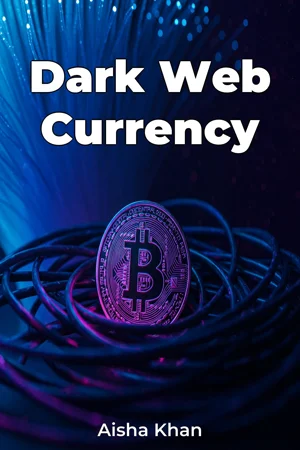
How does the clandestine world of the dark web thrive, and what fuels its hidden economy? "Dark Web Currency" delves into this complex issue, exploring the pivotal role of cryptocurrencies, particularly Bitcoin, in facilitating illicit transactions and the significant challenges this presents to financial regulators worldwide. This book is crucial for understanding the intersection of finance, technology, and criminal activity in the digital age, providing insights for policymakers, financial professionals, and anyone interested in cybersecurity and digital currencies. The book begins by establishing the historical context of the dark web, tracing its evolution from early internet forums to sophisticated online marketplaces. Necessary background on Tor and other anonymity networks is provided to familiarize the reader with the technical infrastructure that supports these hidden online activities. The text then introduces the core principles of cryptocurrencies, explaining their decentralized nature, cryptographic security, and pseudo-anonymous transaction capabilities. It describes how these features appeal to individuals seeking to evade detection and oversight. The central argument of "Dark Web Currency" is that cryptocurrencies provide a critical, yet often misunderstood, infrastructure for the dark web economy. This economy encompasses a wide array of illegal activities, including the trade of narcotics, weapons, stolen data, and malicious software. The book argues that while cryptocurrencies themselves are not inherently illegal, their properties make them particularly well-suited for facilitating illicit trade, posing significant challenges for law enforcement and financial regulators. The book is structured into three major parts. Part One introduces the core concepts of the Dark Web and cryptocurrencies. Part Two analyzes the various ways cryptocurrencies are used in illegal activities, with dedicated chapters focusing on specific sectors of the dark web economy, such as drug markets and ransomware attacks. It examines real-world case studies and exposes the methods employed by criminals to obfuscate transactions and launder cryptocurrency. Part Three focuses on the regulatory and technological challenges posed by cryptocurrency-enabled crime, exploring current efforts to combat illicit use, and proposing potential solutions for the future. The analysis presented in "Dark Web Currency" draws upon a diverse range of evidence. This includes transaction data from blockchain analysis firms, reports from law enforcement agencies, academic research on cybercrime, and expert interviews with cybersecurity professionals and financial regulators. The book also incorporates unique data obtained from crawling and analyzing dark web marketplaces, providing a detailed empirical portrait of the goods and services offered, their prices, and the cryptocurrencies used for payment. "Dark Web Currency" connects to several other fields. Criminology, for instance, provides theoretical frameworks for understanding the motivations and behaviors of actors in the dark web economy. Computer science offers insights into the technical aspects of cryptocurrencies, anonymity networks, and blockchain analysis. Law and policy are essential for evaluating the effectiveness of existing regulations and developing new strategies for combating cryptocurrency-enabled crime. A unique aspect of this book is its interdisciplinary approach, which combines technical analysis with legal and social science perspectives. It also offers a practical outlook, providing concrete recommendations for policymakers and financial institutions seeking to mitigate the risks associated with cryptocurrency use in illegal contexts. This book takes a measured and objective tone, avoiding sensationalism and focusing on providing a clear, fact-based analysis of the issues at stake. This book is written for a diverse audience, including finance professionals looking to understand the risks associated with digital currencies, policymakers tasked with regulating the cryptocurrency space, cybersecurity professionals seeking to combat cybercrime, and academics researching the dark web economy. It is particularly timely given the increasing prevalence of ransomware attacks and other forms of cybercrime that rely on cryptocurrencies for payment. As a work of non-fiction in both the 'Finance' and 'Technology' genres, "Dark Web Currency" adheres to the standards of rigorous research, objective analysis, and clear presentation of information. The book's scope is intentionally limited to the use of cryptocurrencies in the dark web economy, avoiding broader discussions of the potential benefits and risks of cryptocurrencies in legitimate contexts. The information presented can inform real-world applications, such as developing enhanced KYC/AML procedures, implementing more effective blockchain analytics tools, and crafting more targeted law enforcement strategies. The book addresses ongoing debates about the appropriate level of regulation for cryptocurrencies, contributing to a more informed and nuanced discussion of these complex issues.
How does the clandestine world of the dark web thrive, and what fuels its hidden economy? "Dark Web Currency" delves into this complex issue, exploring the pivotal role of cryptocurrencies, particularly Bitcoin, in facilitating illicit transactions and the significant challenges this presents to financial regulators worldwide. This book is crucial for understanding the intersection of finance, technology, and criminal activity in the digital age, providing insights for policymakers, financial professionals, and anyone interested in cybersecurity and digital currencies. The book begins by establishing the historical context of the dark web, tracing its evolution from early internet forums to sophisticated online marketplaces. Necessary background on Tor and other anonymity networks is provided to familiarize the reader with the technical infrastructure that supports these hidden online activities. The text then introduces the core principles of cryptocurrencies, explaining their decentralized nature, cryptographic security, and pseudo-anonymous transaction capabilities. It describes how these features appeal to individuals seeking to evade detection and oversight. The central argument of "Dark Web Currency" is that cryptocurrencies provide a critical, yet often misunderstood, infrastructure for the dark web economy. This economy encompasses a wide array of illegal activities, including the trade of narcotics, weapons, stolen data, and malicious software. The book argues that while cryptocurrencies themselves are not inherently illegal, their properties make them particularly well-suited for facilitating illicit trade, posing significant challenges for law enforcement and financial regulators. The book is structured into three major parts. Part One introduces the core concepts of the Dark Web and cryptocurrencies. Part Two analyzes the various ways cryptocurrencies are used in illegal activities, with dedicated chapters focusing on specific sectors of the dark web economy, such as drug markets and ransomware attacks. It examines real-world case studies and exposes the methods employed by criminals to obfuscate transactions and launder cryptocurrency. Part Three focuses on the regulatory and technological challenges posed by cryptocurrency-enabled crime, exploring current efforts to combat illicit use, and proposing potential solutions for the future. The analysis presented in "Dark Web Currency" draws upon a diverse range of evidence. This includes transaction data from blockchain analysis firms, reports from law enforcement agencies, academic research on cybercrime, and expert interviews with cybersecurity professionals and financial regulators. The book also incorporates unique data obtained from crawling and analyzing dark web marketplaces, providing a detailed empirical portrait of the goods and services offered, their prices, and the cryptocurrencies used for payment. "Dark Web Currency" connects to several other fields. Criminology, for instance, provides theoretical frameworks for understanding the motivations and behaviors of actors in the dark web economy. Computer science offers insights into the technical aspects of cryptocurrencies, anonymity networks, and blockchain analysis. Law and policy are essential for evaluating the effectiveness of existing regulations and developing new strategies for combating cryptocurrency-enabled crime. A unique aspect of this book is its interdisciplinary approach, which combines technical analysis with legal and social science perspectives. It also offers a practical outlook, providing concrete recommendations for policymakers and financial institutions seeking to mitigate the risks associated with cryptocurrency use in illegal contexts. This book takes a measured and objective tone, avoiding sensationalism and focusing on providing a clear, fact-based analysis of the issues at stake. This book is written for a diverse audience, including finance professionals looking to understand the risks associated with digital currencies, policymakers tasked with regulating the cryptocurrency space, cybersecurity professionals seeking to combat cybercrime, and academics researching the dark web economy. It is particularly timely given the increasing prevalence of ransomware attacks and other forms of cybercrime that rely on cryptocurrencies for payment. As a work of non-fiction in both the 'Finance' and 'Technology' genres, "Dark Web Currency" adheres to the standards of rigorous research, objective analysis, and clear presentation of information. The book's scope is intentionally limited to the use of cryptocurrencies in the dark web economy, avoiding broader discussions of the potential benefits and risks of cryptocurrencies in legitimate contexts. The information presented can inform real-world applications, such as developing enhanced KYC/AML procedures, implementing more effective blockchain analytics tools, and crafting more targeted law enforcement strategies. The book addresses ongoing debates about the appropriate level of regulation for cryptocurrencies, contributing to a more informed and nuanced discussion of these complex issues.
"Dark Web Currency" unveils the intricate relationship between cryptocurrencies and the hidden world of online black markets. It highlights how digital currencies like Bitcoin facilitate illicit transactions, presenting a challenge to financial regulation and cybersecurity efforts. The book explores the evolution of the dark web, from its early forum days to its current state as a sophisticated hub for illegal activities, supported by anonymity networks like Tor. The book uniquely combines technical analysis with legal and social science viewpoints. Examining real-world case studies, it discusses how criminals use cryptocurrencies to trade narcotics, weapons, and stolen data, often employing methods to obfuscate transactions. Discover how blockchain analysis and crawling dark web marketplaces provide data, giving insight into the goods offered, their prices, and the cryptocurrencies used. Structured in three parts, the book first introduces core concepts before analyzing the use of cryptocurrencies in various illegal activities, such as drug markets and ransomware attacks. Finally, it addresses regulatory and technological challenges, exploring existing countermeasures and suggesting future solutions, offering a practical outlook for policymakers and financial institutions.
Book Details
ISBN
9788235227614
Publisher
Publifye AS
Your Licenses
You don't own any licenses for this book
Purchase a license below to unlock this book and download the EPUB.
Purchase License
Select a tier to unlock this book
Need bulk licensing?
Contact us for enterprise agreements.