
About This Book
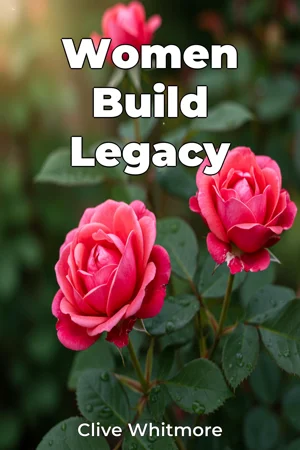
How have women, often absent from traditional historical narratives, shaped communities and left lasting legacies through their social engagement? "Women Build Legacy" delves into this crucial question, examining the profound impact of women on community development and historical progress, utilizing social engagement statistics to illuminate their contributions. This book posits that acknowledging and understanding women’s historical social engagement is essential for a complete understanding of societal evolution. This book addresses two key topics. Firstly, it explores the diverse forms of social engagement undertaken by women throughout history, including activism, community organizing, philanthropy, and cultural contributions. Secondly, it analyzes the quantifiable impact of these engagements, using social engagement statistics—likes, shares, mentions, sentiment analysis—as a metric to gauge the reach and effectiveness of women’s efforts. Understanding these topics can inform contemporary strategies for community development and social change, highlighting the potential of women's leadership and collective action. Historically, women's contributions have often been marginalized or overlooked in mainstream accounts. This book seeks to rectify this imbalance by providing a detailed examination of women's social actions. While a deep understanding of statistical analysis is not required, familiarity with basic historical concepts and some awareness of social media metrics will enhance the reader's appreciation of the evidence presented. The central argument of "Women Build Legacy" is that women's social engagement has been a consistently powerful, yet often underappreciated, force in shaping community development and driving social change. By using engagement data to quantify this influence, the book aims to demonstrate the scale and significance of women's contributions, challenging traditional historical interpretations and providing a more nuanced picture of the past. The book is structured in four main parts. It begins by introducing the core concepts of women's social engagement and the use of social media metrics as a historical analytical tool. The next section then explores specific case studies across different eras and geographical locations. Here, the book examines examples ranging from early 20th-century suffrage movements to contemporary online activism. The third segment provides a detailed analysis of the data, revealing patterns, trends, and correlations between women’s engagement and tangible social outcomes. Finally, the book culminates in a discussion of the implications of these findings for current social policy and future research, emphasizing the importance of recognizing and supporting women’s leadership in community building. "Women Build Legacy" draws upon a wide range of sources, including archival documents, historical records, and contemporary social media data. Unique methodologies, such as sentiment analysis of historical texts and network analysis of social media interactions, are employed to provide a comprehensive and data-driven analysis of women’s social impact. The book connects to several interdisciplinary fields, including sociology, communication studies, and gender studies. By integrating perspectives from these disciplines, it provides a holistic understanding of women's social engagement and its effects. The use of social media metrics offers a fresh perspective on historical analysis, bridging the gap between traditional historical methods and contemporary data analysis techniques. "Women Build Legacy" offers a pioneering approach by integrating social media data with historical research. This methodology provides a quantifiable measure of women's impact, moving beyond anecdotal evidence and subjective interpretations. Written in a professional and accessible style, the book balances academic rigor with engaging storytelling, making it suitable for both scholars and general readers interested in women's history and social change. The target audience includes students and scholars in history, sociology, gender studies, and communication, as well as community organizers, activists, and anyone interested in learning more about women’s contributions to society. As a work of historical and social science non-fiction, the book adheres to standards of academic integrity, providing meticulous sourcing and transparent methodologies. While the book aims to provide a broad overview of women's social engagement, it acknowledges that the focus is primarily on communities where online data is available. It is also subject to the inherent biases present in social media data, which may not fully represent all segments of the population. The insights of "Women Build Legacy" can be practically applied to contemporary efforts in community development, social activism, and policy-making. By understanding the dynamics of women’s social engagement, readers can develop more effective strategies for promoting social change and building inclusive communities. The book addresses the ongoing debate about the role of social media in social movements, offering data-driven insights into the effectiveness and limitations of online activism and engagement.
How have women, often absent from traditional historical narratives, shaped communities and left lasting legacies through their social engagement? "Women Build Legacy" delves into this crucial question, examining the profound impact of women on community development and historical progress, utilizing social engagement statistics to illuminate their contributions. This book posits that acknowledging and understanding women’s historical social engagement is essential for a complete understanding of societal evolution. This book addresses two key topics. Firstly, it explores the diverse forms of social engagement undertaken by women throughout history, including activism, community organizing, philanthropy, and cultural contributions. Secondly, it analyzes the quantifiable impact of these engagements, using social engagement statistics—likes, shares, mentions, sentiment analysis—as a metric to gauge the reach and effectiveness of women’s efforts. Understanding these topics can inform contemporary strategies for community development and social change, highlighting the potential of women's leadership and collective action. Historically, women's contributions have often been marginalized or overlooked in mainstream accounts. This book seeks to rectify this imbalance by providing a detailed examination of women's social actions. While a deep understanding of statistical analysis is not required, familiarity with basic historical concepts and some awareness of social media metrics will enhance the reader's appreciation of the evidence presented. The central argument of "Women Build Legacy" is that women's social engagement has been a consistently powerful, yet often underappreciated, force in shaping community development and driving social change. By using engagement data to quantify this influence, the book aims to demonstrate the scale and significance of women's contributions, challenging traditional historical interpretations and providing a more nuanced picture of the past. The book is structured in four main parts. It begins by introducing the core concepts of women's social engagement and the use of social media metrics as a historical analytical tool. The next section then explores specific case studies across different eras and geographical locations. Here, the book examines examples ranging from early 20th-century suffrage movements to contemporary online activism. The third segment provides a detailed analysis of the data, revealing patterns, trends, and correlations between women’s engagement and tangible social outcomes. Finally, the book culminates in a discussion of the implications of these findings for current social policy and future research, emphasizing the importance of recognizing and supporting women’s leadership in community building. "Women Build Legacy" draws upon a wide range of sources, including archival documents, historical records, and contemporary social media data. Unique methodologies, such as sentiment analysis of historical texts and network analysis of social media interactions, are employed to provide a comprehensive and data-driven analysis of women’s social impact. The book connects to several interdisciplinary fields, including sociology, communication studies, and gender studies. By integrating perspectives from these disciplines, it provides a holistic understanding of women's social engagement and its effects. The use of social media metrics offers a fresh perspective on historical analysis, bridging the gap between traditional historical methods and contemporary data analysis techniques. "Women Build Legacy" offers a pioneering approach by integrating social media data with historical research. This methodology provides a quantifiable measure of women's impact, moving beyond anecdotal evidence and subjective interpretations. Written in a professional and accessible style, the book balances academic rigor with engaging storytelling, making it suitable for both scholars and general readers interested in women's history and social change. The target audience includes students and scholars in history, sociology, gender studies, and communication, as well as community organizers, activists, and anyone interested in learning more about women’s contributions to society. As a work of historical and social science non-fiction, the book adheres to standards of academic integrity, providing meticulous sourcing and transparent methodologies. While the book aims to provide a broad overview of women's social engagement, it acknowledges that the focus is primarily on communities where online data is available. It is also subject to the inherent biases present in social media data, which may not fully represent all segments of the population. The insights of "Women Build Legacy" can be practically applied to contemporary efforts in community development, social activism, and policy-making. By understanding the dynamics of women’s social engagement, readers can develop more effective strategies for promoting social change and building inclusive communities. The book addresses the ongoing debate about the role of social media in social movements, offering data-driven insights into the effectiveness and limitations of online activism and engagement.
"Women Build Legacy" explores the often-overlooked yet profound impact of women's social engagement on community development and historical progress. By examining various forms of activism, community organizing, and cultural contributions, the book highlights how women have consistently shaped societies. It uniquely uses social engagement statistics—such as likes, shares, and sentiment analysis—to quantify the reach and effectiveness of women's efforts, offering a fresh perspective on historical analysis. This approach challenges traditional narratives and provides a more nuanced understanding of societal evolution by emphasizing women's leadership. The book progresses by first introducing core concepts and the use of social media metrics as a tool for historical analysis. It then delves into specific case studies across different eras and locations, ranging from early suffrage movements to contemporary online activism. Through detailed data analysis, the book reveals patterns and correlations between women's engagement and tangible social outcomes, culminating in a discussion of the implications for current social policy and future research. Ultimately, the book argues that understanding women's historical social engagement is essential for a complete understanding of societal evolution.
Book Details
ISBN
9788235227584
Publisher
Publifye AS
Your Licenses
You don't own any licenses for this book
Purchase a license below to unlock this book and download the EPUB.
Purchase License
Select a tier to unlock this book
Need bulk licensing?
Contact us for enterprise agreements.