
About This Book
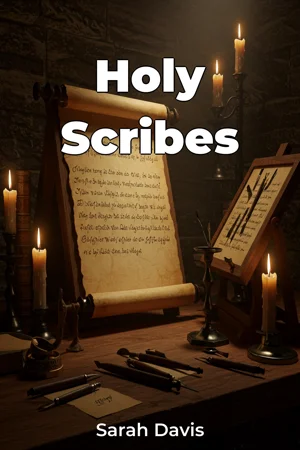
How did fragile words on perishable materials come to shape civilizations and define spiritual beliefs across millennia? "Holy Scribes" explores the pivotal role of scribes in preserving religious texts, scriptures, and divine teachings throughout history, demonstrating how these individuals were not merely copyists but active agents in shaping religious tradition. This book argues that scribal activity was a critical force in the transmission, interpretation, and ultimately, the authority of religious texts. It examines the multifaceted contributions of scribes across diverse religious traditions, highlighting their influence on canon formation, theological development, and the standardization of religious practices. Through meticulous preservation, annotation, and dissemination, scribes ensured the longevity and accessibility of sacred knowledge, impacting religious communities across generations. The study unfolds against a backdrop of evolving technologies, socio-political dynamics, and shifting religious landscapes. Understanding the historical context within which scribes operated – including the rise and fall of empires, the advent of printing, and the spread of literacy – is crucial to appreciating their enduring legacy. The reader will gain insight into the materials used, the social hierarchies that governed scribal practice, and the intellectual environments that nurtured these dedicated individuals. "Holy Scribes" is structured to provide a comprehensive overview. The introduction lays the groundwork by defining key terms, establishing the historical scope, and outlining the central argument. The subsequent sections delve into specific religious traditions, examining the role of scribes in Judaism, Christianity, and Islam, and others. Within each tradition, the book explores: a) the process of canonization and the role of scribes in selecting and standardizing texts; b) the development of interpretative traditions and the ways in which scribes shaped theological discourse through their annotations and commentaries; c) the impact of scribal errors and intentional alterations on the meaning and reception of religious texts. The analysis draws upon a wide range of primary sources, including ancient manuscripts, fragments of scriptures, and archival documents related to scribal practices. It also integrates secondary scholarship from the fields of religious studies, textual criticism, and history, offering a balanced and nuanced perspective. This book connects to the fields of archaeology, linguistics, and art history, enriching our understanding of the cultural and material context of scribal activity. By examining the physical characteristics of manuscripts, deciphering ancient languages, and analyzing the artistic embellishments that often accompanied sacred texts, it provides a holistic view of scribal culture. "Holy Scribes" offers a unique perspective by focusing on the agency of scribes and their impact on religious thought. Unlike traditional approaches that treat scribes as passive transmitters of information, this book emphasizes their creative and transformative role. Written in an accessible yet scholarly style, "Holy Scribes" is intended for students, researchers, and general readers interested in religion, history, and textual studies. It will be of value to anyone seeking a deeper understanding of the processes by which religious texts have been shaped and transmitted. The scope of "Holy Scribes" is broad, encompassing a range of religious traditions and historical periods. However, it does not aim to provide an exhaustive account of every scribe or every religious text. Rather, it focuses on the key themes and issues that illuminate the role of scribes in preserving and shaping religious knowledge. The book's insights can be applied to contemporary discussions about the interpretation of religious texts, the role of tradition in shaping religious belief, and the impact of technology on the transmission of knowledge. Furthermore, it provides a valuable framework for understanding the ongoing debates about textual authenticity and the authority of religious scriptures.
How did fragile words on perishable materials come to shape civilizations and define spiritual beliefs across millennia? "Holy Scribes" explores the pivotal role of scribes in preserving religious texts, scriptures, and divine teachings throughout history, demonstrating how these individuals were not merely copyists but active agents in shaping religious tradition. This book argues that scribal activity was a critical force in the transmission, interpretation, and ultimately, the authority of religious texts. It examines the multifaceted contributions of scribes across diverse religious traditions, highlighting their influence on canon formation, theological development, and the standardization of religious practices. Through meticulous preservation, annotation, and dissemination, scribes ensured the longevity and accessibility of sacred knowledge, impacting religious communities across generations. The study unfolds against a backdrop of evolving technologies, socio-political dynamics, and shifting religious landscapes. Understanding the historical context within which scribes operated – including the rise and fall of empires, the advent of printing, and the spread of literacy – is crucial to appreciating their enduring legacy. The reader will gain insight into the materials used, the social hierarchies that governed scribal practice, and the intellectual environments that nurtured these dedicated individuals. "Holy Scribes" is structured to provide a comprehensive overview. The introduction lays the groundwork by defining key terms, establishing the historical scope, and outlining the central argument. The subsequent sections delve into specific religious traditions, examining the role of scribes in Judaism, Christianity, and Islam, and others. Within each tradition, the book explores: a) the process of canonization and the role of scribes in selecting and standardizing texts; b) the development of interpretative traditions and the ways in which scribes shaped theological discourse through their annotations and commentaries; c) the impact of scribal errors and intentional alterations on the meaning and reception of religious texts. The analysis draws upon a wide range of primary sources, including ancient manuscripts, fragments of scriptures, and archival documents related to scribal practices. It also integrates secondary scholarship from the fields of religious studies, textual criticism, and history, offering a balanced and nuanced perspective. This book connects to the fields of archaeology, linguistics, and art history, enriching our understanding of the cultural and material context of scribal activity. By examining the physical characteristics of manuscripts, deciphering ancient languages, and analyzing the artistic embellishments that often accompanied sacred texts, it provides a holistic view of scribal culture. "Holy Scribes" offers a unique perspective by focusing on the agency of scribes and their impact on religious thought. Unlike traditional approaches that treat scribes as passive transmitters of information, this book emphasizes their creative and transformative role. Written in an accessible yet scholarly style, "Holy Scribes" is intended for students, researchers, and general readers interested in religion, history, and textual studies. It will be of value to anyone seeking a deeper understanding of the processes by which religious texts have been shaped and transmitted. The scope of "Holy Scribes" is broad, encompassing a range of religious traditions and historical periods. However, it does not aim to provide an exhaustive account of every scribe or every religious text. Rather, it focuses on the key themes and issues that illuminate the role of scribes in preserving and shaping religious knowledge. The book's insights can be applied to contemporary discussions about the interpretation of religious texts, the role of tradition in shaping religious belief, and the impact of technology on the transmission of knowledge. Furthermore, it provides a valuable framework for understanding the ongoing debates about textual authenticity and the authority of religious scriptures.
"Holy Scribes" explores the crucial role of scribes, not just as copyists, but as active shapers of religious tradition and scriptures throughout history. These individuals were instrumental in preserving religious texts, influencing canon formation, and guiding theological development across diverse faiths like Judaism and Christianity. The book argues that scribal activity was pivotal in the transmission and interpretation of sacred writings, ultimately impacting the authority of these texts. The book offers a unique perspective, highlighting the agency of scribes and their creative influence on religious thought. One might be surprised to learn how scribal errors or intentional alterations subtly shaped the meaning and reception of religious texts over time. It also examines the historical context, including evolving technologies and socio-political changes, to appreciate the scribes' enduring legacy. The study progresses through specific religious traditions, examining the role of scribes in canonization, interpretative traditions, and the impact of textual variations. Drawing from ancient manuscripts and archival documents, it provides a balanced view for students, researchers, and general readers interested in religious history and textual studies.
Book Details
ISBN
9788235227546
Publisher
Publifye AS
Your Licenses
You don't own any licenses for this book
Purchase a license below to unlock this book and download the EPUB.
Purchase License
Select a tier to unlock this book
Need bulk licensing?
Contact us for enterprise agreements.