
About This Book
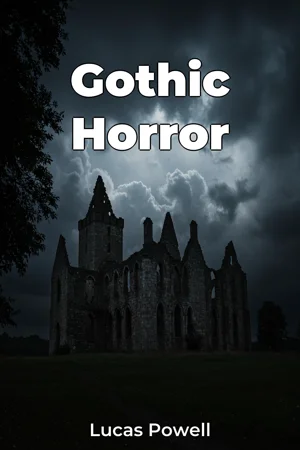
How did a crumbling castle become the architecture of dread, shaping our deepest fears in literature and beyond? "Gothic Horror" explores the indelible impact of gothic literature on the development of themes like fear, death, and the supernatural in storytelling across centuries and artistic mediums. This book delves into the core elements of gothic literature and their lasting cultural resonance. These elements include the exploration of psychological terror, the unsettling presence of the past, and the transgression of societal boundaries, with a focus on their continuing impact on modern narratives. These topics are vital because the gothic sensibility continues to influence our understanding of the human condition, societal anxieties, and the fine line between reality and the unknown. We begin by establishing the historical and social context of the gothic, tracing its origins in the late 18th century amidst societal upheaval and intellectual shifts. Understanding the Romantic era's fascination with the sublime, the influence of folklore and superstition, and the anxieties surrounding the Enlightenment's rationalism is crucial for grasping the gothic's emergence as a counter-narrative. The book's central argument posits that gothic literature, far from being a mere historical genre is a fundamental mode of storytelling that explores the darkest aspects of human existence and the fragility of order. The exploration of ruins, both literal and metaphorical, provide a potent lens through which to examine themes of decay, loss, and the enduring power of the past. This book is structured to provide a comprehensive exploration of the gothic. First, we introduce the foundational elements of gothic literature such as atmosphere, character archetypes, and recurrent motifs. Then, we delve into major points like the evolution of the gothic novel from its early manifestations in works, such as Horace Walpole’s “The Castle of Otranto” to its later forms, including the psychological horror found in Edgar Allan Poe. A thorough analysis of key gothic texts from the 18th and 19th centuries will demonstrate the genre's development. We examine the shifting representations of death, the supernatural, and the “Other” within gothic narratives, highlighting the cultural anxieties they reflect. The culmination of the argument rests on demonstrating the enduring legacy of gothic themes in contemporary literature, film, and other media. To support the claims made, the book draws upon close readings of canonical gothic texts, historical analyses of the period, and critical essays examining the genre's theoretical underpinnings. We engage with diverse voices and perspectives, including feminist interpretations of gothic literature and postcolonial analyses of its representation of marginalized groups. Interdisciplinary connections are essential to fully appreciate the gothic's scope. The book touches upon psychology by exploring the representation of trauma, repression, and mental instability within gothic narratives. It makes connections to history through an examination of social and political anxieties reflected in gothic settings and plots. Furthermore, it engages with art and architectural history to understand the visual aesthetics of the gothic and its representation of space and place. The approach taken in this book is academic, offering in-depth analysis and critical interpretation of gothic literature. The book is intended for scholars, students, and general readers interested in literature, history, and cultural studies. It would be a valuable resource for those seeking to understand the gothic's enduring influence on contemporary culture. The book focuses on the major works and defining characteristics of gothic literature. While it acknowledges the global reach of gothic themes, it primarily focuses on examples from British and American literature. The insights gained from this book offer a fresh perspective on how gothic literature helps us to understand the complexities of human nature and the societies we create. "Gothic Horror" encourages readers to view the world through a gothic lens thereby revealing the hidden anxieties and suppressed desires that continue to shape our lives.
How did a crumbling castle become the architecture of dread, shaping our deepest fears in literature and beyond? "Gothic Horror" explores the indelible impact of gothic literature on the development of themes like fear, death, and the supernatural in storytelling across centuries and artistic mediums. This book delves into the core elements of gothic literature and their lasting cultural resonance. These elements include the exploration of psychological terror, the unsettling presence of the past, and the transgression of societal boundaries, with a focus on their continuing impact on modern narratives. These topics are vital because the gothic sensibility continues to influence our understanding of the human condition, societal anxieties, and the fine line between reality and the unknown. We begin by establishing the historical and social context of the gothic, tracing its origins in the late 18th century amidst societal upheaval and intellectual shifts. Understanding the Romantic era's fascination with the sublime, the influence of folklore and superstition, and the anxieties surrounding the Enlightenment's rationalism is crucial for grasping the gothic's emergence as a counter-narrative. The book's central argument posits that gothic literature, far from being a mere historical genre is a fundamental mode of storytelling that explores the darkest aspects of human existence and the fragility of order. The exploration of ruins, both literal and metaphorical, provide a potent lens through which to examine themes of decay, loss, and the enduring power of the past. This book is structured to provide a comprehensive exploration of the gothic. First, we introduce the foundational elements of gothic literature such as atmosphere, character archetypes, and recurrent motifs. Then, we delve into major points like the evolution of the gothic novel from its early manifestations in works, such as Horace Walpole’s “The Castle of Otranto” to its later forms, including the psychological horror found in Edgar Allan Poe. A thorough analysis of key gothic texts from the 18th and 19th centuries will demonstrate the genre's development. We examine the shifting representations of death, the supernatural, and the “Other” within gothic narratives, highlighting the cultural anxieties they reflect. The culmination of the argument rests on demonstrating the enduring legacy of gothic themes in contemporary literature, film, and other media. To support the claims made, the book draws upon close readings of canonical gothic texts, historical analyses of the period, and critical essays examining the genre's theoretical underpinnings. We engage with diverse voices and perspectives, including feminist interpretations of gothic literature and postcolonial analyses of its representation of marginalized groups. Interdisciplinary connections are essential to fully appreciate the gothic's scope. The book touches upon psychology by exploring the representation of trauma, repression, and mental instability within gothic narratives. It makes connections to history through an examination of social and political anxieties reflected in gothic settings and plots. Furthermore, it engages with art and architectural history to understand the visual aesthetics of the gothic and its representation of space and place. The approach taken in this book is academic, offering in-depth analysis and critical interpretation of gothic literature. The book is intended for scholars, students, and general readers interested in literature, history, and cultural studies. It would be a valuable resource for those seeking to understand the gothic's enduring influence on contemporary culture. The book focuses on the major works and defining characteristics of gothic literature. While it acknowledges the global reach of gothic themes, it primarily focuses on examples from British and American literature. The insights gained from this book offer a fresh perspective on how gothic literature helps us to understand the complexities of human nature and the societies we create. "Gothic Horror" encourages readers to view the world through a gothic lens thereby revealing the hidden anxieties and suppressed desires that continue to shape our lives.
"Gothic Horror" explores the lasting impact of gothic literature, revealing how it shaped our understanding of fear, death, and the supernatural. Delving into psychological terror and the unsettling presence of the past, the book uncovers the cultural anxieties reflected in gothic themes. Did you know the genre emerged in the late 18th century amid societal upheaval, offering a counter-narrative to the Enlightenment's rationalism? These elements continue to resonate in modern storytelling, influencing our perception of the human condition. The book examines the evolution of the gothic novel, beginning with foundational works like Horace Walpole's "The Castle of Otranto" to the psychological horror found in Edgar Allan Poe, with an academic approach, offering in-depth analysis and critical interpretation of gothic literature. By tracing the shifting representations of death and the supernatural, the book highlights the genre's development and its reflection of cultural anxieties. The chapters progress from establishing the historical context to analyzing key texts and demonstrating the enduring legacy of gothic themes in contemporary media.
Book Details
ISBN
9788235227454
Publisher
Publifye AS
Your Licenses
You don't own any licenses for this book
Purchase a license below to unlock this book and download the EPUB.
Purchase License
Select a tier to unlock this book
Need bulk licensing?
Contact us for enterprise agreements.