
About This Book
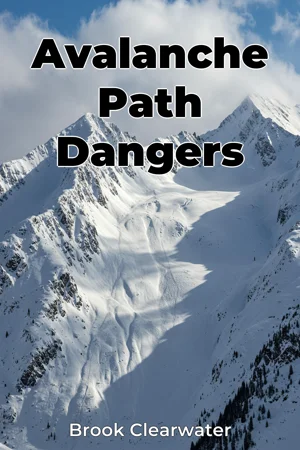
Could understanding avalanches be the key to surviving the mountains? "Avalanche Path Dangers" delves into the complex world of snow slides, offering a comprehensive exploration of their risks and, most importantly, how to avoid them. This book navigates the intersection of Earth Sciences, Geography, and Adventure, providing readers with essential knowledge to confidently and safely traverse mountainous terrain. Two key topics form the backbone of this exploration: avalanche formation and terrain assessment. Understanding the atmospheric and snowpack conditions that lead to avalanches is paramount. Similarly, the ability to accurately assess terrain for potential avalanche hazards is crucial for informed decision-making in the backcountry. These topics are vital because recreational and professional activities in mountainous regions are inherently exposed to avalanche risk, and minimizing that risk requires a solid understanding of these foundational elements. This book provides necessary scientific context, explaining snow metamorphism, layering, and the influence of weather patterns on snowpack stability. While a background in basic meteorology or geology is helpful, the book is designed to be accessible to readers with varying levels of scientific knowledge, clarifying technical terms and concepts as needed. The central argument of "Avalanche Path Dangers" is that avalanche accidents are preventable through a combination of knowledge, careful planning, and risk assessment. It emphasizes that while the mountains hold inherent risks, many incidents result from human error, stemming from a lack of understanding or poor decision-making. This argument is critical because it empowers readers to take control of their safety by adopting proactive strategies for avalanche avoidance. The book begins by establishing a scientific foundation, introducing the physics of snow, the mechanics of avalanche formation, and the different types of avalanches. It then develops these ideas through in-depth discussions of terrain analysis, weather forecasting, and snowpack evaluation techniques. A significant portion of the book is dedicated to decision-making frameworks, providing readers with practical tools for assessing risk and making informed choices in avalanche terrain. The culmination of the argument presents a holistic approach to avalanche safety, integrating knowledge, skills, and experience. Finally, the book explores real-world applications, including trip planning, emergency response, and the use of avalanche safety equipment. The analysis relies on a combination of field observations, scientific research, and case studies of past avalanche accidents. Data from avalanche centers worldwide, meteorological records, and snowpack analysis reports will be incorporated to support the arguments presented. Methodologically, the book adopts a balanced approach, combining theoretical explanations with practical examples and visual aids to enhance comprehension. This study connects to several other fields. Firstly, meteorology is crucial in understanding weather patterns that affect snowpack stability. Secondly, engineering principles contribute to designing stable slopes and avalanche defense structures. Thirdly, psychology plays a role in understanding risk perception and decision-making in hazardous environments. These interdisciplinary connections enrich the book's argument by providing a more complete and nuanced understanding of avalanche phenomena. "Avalanche Path Dangers" distinguishes itself by its focus on decision-making processes in complex terrain. While many resources describe avalanche phenomena, this book emphasizes the human element, exploring the cognitive biases and psychological factors that can influence judgment in avalanche terrain. The tone is informative and practical, aiming to empower readers with actionable knowledge. The writing style is clear and concise, avoiding technical jargon whenever possible and explaining complex concepts in an accessible manner. The target audience includes backcountry skiers, snowboarders, hikers, climbers, and anyone who ventures into mountainous terrain during the winter months. It will also be valuable for professionals working in outdoor recreation, search and rescue personnel, and snow safety professionals. This book appeals to those seeking to enhance their understanding of avalanches and improve their safety in the mountains. As a work of non-fiction, readers can expect factual accuracy, evidence-based arguments, and a clear distinction between objective information and subjective opinions. The book focuses primarily on slab avalanches, the type most commonly associated with recreational accidents. While other types of avalanches are discussed, the primary emphasis is on understanding and avoiding slab avalanches in terrain frequented by backcountry travelers. The information in this book can be applied directly to trip planning, route selection, snowpack evaluation, and decision-making in avalanche terrain. It provides readers with the knowledge and skills necessary to make informed choices and reduce their risk of avalanche involvement. The book addresses the ongoing debate surrounding the effectiveness of different avalanche safety education programs and the challenges of promoting responsible decision-making in the backcountry, bringing awareness to the complexities of human factors in avalanche safety.
Could understanding avalanches be the key to surviving the mountains? "Avalanche Path Dangers" delves into the complex world of snow slides, offering a comprehensive exploration of their risks and, most importantly, how to avoid them. This book navigates the intersection of Earth Sciences, Geography, and Adventure, providing readers with essential knowledge to confidently and safely traverse mountainous terrain. Two key topics form the backbone of this exploration: avalanche formation and terrain assessment. Understanding the atmospheric and snowpack conditions that lead to avalanches is paramount. Similarly, the ability to accurately assess terrain for potential avalanche hazards is crucial for informed decision-making in the backcountry. These topics are vital because recreational and professional activities in mountainous regions are inherently exposed to avalanche risk, and minimizing that risk requires a solid understanding of these foundational elements. This book provides necessary scientific context, explaining snow metamorphism, layering, and the influence of weather patterns on snowpack stability. While a background in basic meteorology or geology is helpful, the book is designed to be accessible to readers with varying levels of scientific knowledge, clarifying technical terms and concepts as needed. The central argument of "Avalanche Path Dangers" is that avalanche accidents are preventable through a combination of knowledge, careful planning, and risk assessment. It emphasizes that while the mountains hold inherent risks, many incidents result from human error, stemming from a lack of understanding or poor decision-making. This argument is critical because it empowers readers to take control of their safety by adopting proactive strategies for avalanche avoidance. The book begins by establishing a scientific foundation, introducing the physics of snow, the mechanics of avalanche formation, and the different types of avalanches. It then develops these ideas through in-depth discussions of terrain analysis, weather forecasting, and snowpack evaluation techniques. A significant portion of the book is dedicated to decision-making frameworks, providing readers with practical tools for assessing risk and making informed choices in avalanche terrain. The culmination of the argument presents a holistic approach to avalanche safety, integrating knowledge, skills, and experience. Finally, the book explores real-world applications, including trip planning, emergency response, and the use of avalanche safety equipment. The analysis relies on a combination of field observations, scientific research, and case studies of past avalanche accidents. Data from avalanche centers worldwide, meteorological records, and snowpack analysis reports will be incorporated to support the arguments presented. Methodologically, the book adopts a balanced approach, combining theoretical explanations with practical examples and visual aids to enhance comprehension. This study connects to several other fields. Firstly, meteorology is crucial in understanding weather patterns that affect snowpack stability. Secondly, engineering principles contribute to designing stable slopes and avalanche defense structures. Thirdly, psychology plays a role in understanding risk perception and decision-making in hazardous environments. These interdisciplinary connections enrich the book's argument by providing a more complete and nuanced understanding of avalanche phenomena. "Avalanche Path Dangers" distinguishes itself by its focus on decision-making processes in complex terrain. While many resources describe avalanche phenomena, this book emphasizes the human element, exploring the cognitive biases and psychological factors that can influence judgment in avalanche terrain. The tone is informative and practical, aiming to empower readers with actionable knowledge. The writing style is clear and concise, avoiding technical jargon whenever possible and explaining complex concepts in an accessible manner. The target audience includes backcountry skiers, snowboarders, hikers, climbers, and anyone who ventures into mountainous terrain during the winter months. It will also be valuable for professionals working in outdoor recreation, search and rescue personnel, and snow safety professionals. This book appeals to those seeking to enhance their understanding of avalanches and improve their safety in the mountains. As a work of non-fiction, readers can expect factual accuracy, evidence-based arguments, and a clear distinction between objective information and subjective opinions. The book focuses primarily on slab avalanches, the type most commonly associated with recreational accidents. While other types of avalanches are discussed, the primary emphasis is on understanding and avoiding slab avalanches in terrain frequented by backcountry travelers. The information in this book can be applied directly to trip planning, route selection, snowpack evaluation, and decision-making in avalanche terrain. It provides readers with the knowledge and skills necessary to make informed choices and reduce their risk of avalanche involvement. The book addresses the ongoing debate surrounding the effectiveness of different avalanche safety education programs and the challenges of promoting responsible decision-making in the backcountry, bringing awareness to the complexities of human factors in avalanche safety.
"Avalanche Path Dangers" provides essential knowledge for anyone venturing into mountainous terrain, focusing on avalanche safety through understanding avalanche formation and effective terrain assessment. A key insight is that avalanche accidents are often preventable with the right knowledge, careful planning, and informed risk assessment. The book argues that human error, stemming from a lack of understanding, is a major factor in incidents. Slab avalanches, the type most commonly associated with accidents, receive particular attention. The book begins by establishing a scientific foundation, explaining the physics of snow and mechanics of avalanche formation. It then progresses through in-depth discussions of terrain analysis, weather forecasting, and snowpack evaluation techniques, providing practical tools for decision-making in avalanche terrain. Combining field observations, scientific research, and case studies, it emphasizes the human element, exploring cognitive biases and psychological factors that influence judgment. The book's approach is both theoretical and practical, using visual aids and real-world examples to enhance comprehension. It distinguishes itself by focusing on decision-making processes and empowering readers with actionable knowledge for trip planning, route selection, and snowpack evaluation, making it invaluable for backcountry enthusiasts and professionals alike.
Book Details
ISBN
9788235227409
Publisher
Publifye AS
Your Licenses
You don't own any licenses for this book
Purchase a license below to unlock this book and download the EPUB.
Purchase License
Select a tier to unlock this book
Need bulk licensing?
Contact us for enterprise agreements.