
About This Book
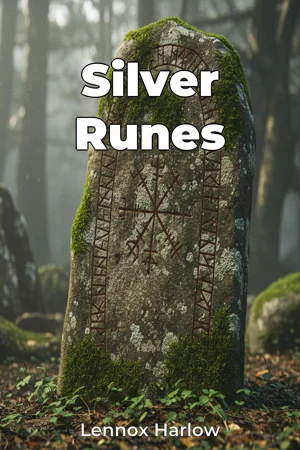
Have you ever wondered about the hidden meanings embedded within ancient symbols and their enduring influence on our modern world? "Silver Runes" delves into the captivating realm of runic inscriptions, exploring their origins, magical applications, and profound impact on mythology, mysticism, and literature. This book examines how runes, far from being mere alphabets, served as potent tools imbued with spiritual significance, shaping the beliefs and narratives of entire cultures. "Silver Runes" focuses on two pivotal themes: the historical evolution of runic systems and their application as a form of practical magic. Understanding the development of runes across different Germanic societies provides essential context for interpreting their varying symbolic meanings. Equally important is understanding their role in shaping pre-Christian beliefs, influencing practices related to divination, healing, and protection. The book begins by establishing the historical and cultural context of runes, tracing their emergence from Proto-Germanic origins to their diversification across various Germanic tribes, including Norse, Anglo-Saxon, and Gothic peoples. It examines the Elder Futhark, Younger Futhark, and Anglo-Saxon Futhorc, highlighting their unique characteristics and associated cultural practices. We explore the social conditions and spiritual beliefs that led to the adoption and adaptation of these scripts, and the evidence for rune usage provided by archaeological finds and early historical accounts, including runestones, amulets, and weapon inscriptions. Moving beyond their linguistic function, "Silver Runes" explores the magical applications of runes, examining how they were used in rituals, spells, and divination practices. This section incorporates descriptions from the Eddas, sagas, and other primary sources, shedding light on the symbolic meanings attributed to individual runes and their combined effects. It discusses rune poems and their importance in interpreting the inherent properties of each rune. This section discusses examples of runic magic found in historical texts, such as Egil's Saga, and attempts to distinguish between myth and reality when considering claims of magical efficacy. The book then traces the influence of runic symbolism in later literary works, from medieval romances to modern fantasy literature. It examines how authors have drawn upon runic imagery and mythology to create compelling narratives and characters who tap into this ancient source of power. The study of J.R.R. Tolkien will be included, as his work contains direct influence from runic traditions. "Silver Runes" relies on a combination of historical analysis, linguistic research, and comparative mythology to support its claims. It draws from primary sources, such as runic inscriptions and medieval texts, as well as secondary scholarship in the fields of runology, archaeology, and religious studies. This book adopts a fact-based, non-fiction approach, presenting information in a clear and accessible manner, while maintaining scholarly rigor. This book will appeal to readers interested in Norse mythology, pagan spirituality, historical linguistics, and the history of magic, as well as students and scholars in related fields. It offers a valuable resource for those seeking to understand the complex and multifaceted nature of runes and their enduring legacy. "Silver Runes" acknowledges the limitations of interpreting ancient symbols and practices through a modern lens. While drawing on the available evidence and scholarship, it recognizes the inherent challenges in reconstructing the beliefs and intentions of past cultures. Ultimately, "Silver Runes" aims to provide readers with a comprehensive understanding of runes, their historical context, magical significance, and lasting impact on our cultural imagination. It offers a powerful lens through which to explore the rich tapestry of human belief and the enduring allure of ancient symbols.
Have you ever wondered about the hidden meanings embedded within ancient symbols and their enduring influence on our modern world? "Silver Runes" delves into the captivating realm of runic inscriptions, exploring their origins, magical applications, and profound impact on mythology, mysticism, and literature. This book examines how runes, far from being mere alphabets, served as potent tools imbued with spiritual significance, shaping the beliefs and narratives of entire cultures. "Silver Runes" focuses on two pivotal themes: the historical evolution of runic systems and their application as a form of practical magic. Understanding the development of runes across different Germanic societies provides essential context for interpreting their varying symbolic meanings. Equally important is understanding their role in shaping pre-Christian beliefs, influencing practices related to divination, healing, and protection. The book begins by establishing the historical and cultural context of runes, tracing their emergence from Proto-Germanic origins to their diversification across various Germanic tribes, including Norse, Anglo-Saxon, and Gothic peoples. It examines the Elder Futhark, Younger Futhark, and Anglo-Saxon Futhorc, highlighting their unique characteristics and associated cultural practices. We explore the social conditions and spiritual beliefs that led to the adoption and adaptation of these scripts, and the evidence for rune usage provided by archaeological finds and early historical accounts, including runestones, amulets, and weapon inscriptions. Moving beyond their linguistic function, "Silver Runes" explores the magical applications of runes, examining how they were used in rituals, spells, and divination practices. This section incorporates descriptions from the Eddas, sagas, and other primary sources, shedding light on the symbolic meanings attributed to individual runes and their combined effects. It discusses rune poems and their importance in interpreting the inherent properties of each rune. This section discusses examples of runic magic found in historical texts, such as Egil's Saga, and attempts to distinguish between myth and reality when considering claims of magical efficacy. The book then traces the influence of runic symbolism in later literary works, from medieval romances to modern fantasy literature. It examines how authors have drawn upon runic imagery and mythology to create compelling narratives and characters who tap into this ancient source of power. The study of J.R.R. Tolkien will be included, as his work contains direct influence from runic traditions. "Silver Runes" relies on a combination of historical analysis, linguistic research, and comparative mythology to support its claims. It draws from primary sources, such as runic inscriptions and medieval texts, as well as secondary scholarship in the fields of runology, archaeology, and religious studies. This book adopts a fact-based, non-fiction approach, presenting information in a clear and accessible manner, while maintaining scholarly rigor. This book will appeal to readers interested in Norse mythology, pagan spirituality, historical linguistics, and the history of magic, as well as students and scholars in related fields. It offers a valuable resource for those seeking to understand the complex and multifaceted nature of runes and their enduring legacy. "Silver Runes" acknowledges the limitations of interpreting ancient symbols and practices through a modern lens. While drawing on the available evidence and scholarship, it recognizes the inherent challenges in reconstructing the beliefs and intentions of past cultures. Ultimately, "Silver Runes" aims to provide readers with a comprehensive understanding of runes, their historical context, magical significance, and lasting impact on our cultural imagination. It offers a powerful lens through which to explore the rich tapestry of human belief and the enduring allure of ancient symbols.
"Silver Runes" explores the fascinating world of runic inscriptions, revealing their historical origins, magical applications, and lasting impact on areas like Norse mythology. These ancient symbols weren't just an alphabet; they were potent tools shaping beliefs and narratives. The book investigates runic systems' historical evolution and their use in practical magic, like divination, healing, and protection, to give essential context. The book starts by establishing the historical and cultural setting of runes, tracing their journey from Proto-Germanic roots to various Germanic tribes. It highlights the Elder Futhark, Younger Futhark, and Anglo-Saxon Futhorc, examining social conditions, spiritual beliefs, and archaeological evidence. Moving beyond linguistics, "Silver Runes" then explores the magical uses of runes in rituals, spells, and divination practices, drawing from sources like the Eddas and sagas. Finally, the book traces the influence of runic symbolism in later literary works, from medieval romances to modern fantasy, highlighting how authors have used runic imagery to create compelling stories. It uses historical analysis, linguistic research, and comparative mythology, relying on primary sources and scholarly work. This approach provides a comprehensive understanding of runes, their historical context, magical significance, and enduring impact, appealing to those interested in pagan spirituality and the history of magic.
Book Details
ISBN
9788235227171
Publisher
Publifye AS
Your Licenses
You don't own any licenses for this book
Purchase a license below to unlock this book and download the EPUB.
Purchase License
Select a tier to unlock this book
Need bulk licensing?
Contact us for enterprise agreements.