
About This Book
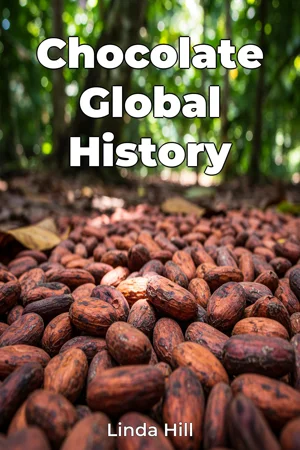
Could the story of chocolate, a globally beloved confection, truly begin thousands of years ago? This book, "Chocolate: A Global History," embarks on a journey to trace cocoa's multifaceted evolution from its origins in ancient Mesoamerica to its current status as a multi-billion-dollar industry, exploring its cultural, economic, and social impact across continents and throughout history. The central argument of this book is that chocolate's journey is far more than a story of simple commodity exchange; it is a lens through which to examine cultural interaction, economic shifts, and the evolution of taste and desire. The significance of this argument lies in its challenge to simplistic narratives of globalization, revealing the complex power dynamics and cultural negotiations inherent in the spread of a single foodstuff. This exploration begins in Mesoamerica, where cocoa beans were first cultivated by the Olmec, Maya, and Aztec civilizations. We delve into the ritualistic and symbolic importance of cocoa in these societies, examining its use in religious ceremonies, as a form of currency, and as an elite beverage. We look at archaeological evidence, including pottery fragments and written glyphs, to understand how these ancient cultures perceived and utilized cocoa. This section aims to uncover the deep historical roots of chocolate extending back millennia. The narrative then shifts to the European encounter with cocoa in the 16th century. We investigate how the Spanish conquistadors initially perceived it, and how it gradually transformed from a bitter, unfamiliar drink to a sweetened delicacy enjoyed by the European aristocracy. The book will analyze the establishment of cocoa plantations in the Caribbean and other colonial territories, exploring the subsequent reliance on forced labor, the transatlantic slave trade, and its profound impact on indigenous populations. This section highlights the dark side of chocolate's history, emphasizing the exploitation that fueled its global expansion. Finally, the book examines the industrialization and mass commercialization of chocolate in the 19th and 20th centuries. We explore the technological innovations that led to the creation of solid chocolate bars and other confectionery products, the rise of iconic chocolate brands, and the globalization of chocolate consumption. The book will also critically analyze contemporary issues within the chocolate industry, including fair trade practices, sustainability concerns, and the ongoing challenges faced by cocoa farmers in developing countries. Drawing on historical documents, anthropological studies, and economic analyses, this book offers a comprehensive and interdisciplinary account of chocolate's global trajectory. The history of chocolate touches upon fields such as anthropology (examining cultural practices), economics (analyzing trade and consumption patterns), and environmental studies (considering the impact of cocoa production on ecosystems). "Chocolate: A Global History" takes a non-sensationalist, fact-based approach, aiming to provide readers with a nuanced and historically grounded understanding of chocolate's intricate past and presents the material in a clear and engaging manner. The target audience includes students of history, food studies, and anthropology, as well as anyone curious about the rich and complex history behind this ubiquitous treat. While the book strives for a comprehensive overview, its scope is primarily focused on the historical and cultural dimensions of chocolate, with less emphasis on the scientific aspects of cocoa cultivation and chocolate production. Ultimately, "Chocolate: A Global History" encourages readers to consider the social, economic, and environmental implications of their everyday consumption habits, prompting them to appreciate the complex web of human interactions that bring chocolate from the cocoa bean to the finished product. The book acknowledges ongoing debates surrounding ethical sourcing and sustainable practices within the chocolate industry, presenting diverse perspectives and encouraging critical engagement with these issues.
Could the story of chocolate, a globally beloved confection, truly begin thousands of years ago? This book, "Chocolate: A Global History," embarks on a journey to trace cocoa's multifaceted evolution from its origins in ancient Mesoamerica to its current status as a multi-billion-dollar industry, exploring its cultural, economic, and social impact across continents and throughout history. The central argument of this book is that chocolate's journey is far more than a story of simple commodity exchange; it is a lens through which to examine cultural interaction, economic shifts, and the evolution of taste and desire. The significance of this argument lies in its challenge to simplistic narratives of globalization, revealing the complex power dynamics and cultural negotiations inherent in the spread of a single foodstuff. This exploration begins in Mesoamerica, where cocoa beans were first cultivated by the Olmec, Maya, and Aztec civilizations. We delve into the ritualistic and symbolic importance of cocoa in these societies, examining its use in religious ceremonies, as a form of currency, and as an elite beverage. We look at archaeological evidence, including pottery fragments and written glyphs, to understand how these ancient cultures perceived and utilized cocoa. This section aims to uncover the deep historical roots of chocolate extending back millennia. The narrative then shifts to the European encounter with cocoa in the 16th century. We investigate how the Spanish conquistadors initially perceived it, and how it gradually transformed from a bitter, unfamiliar drink to a sweetened delicacy enjoyed by the European aristocracy. The book will analyze the establishment of cocoa plantations in the Caribbean and other colonial territories, exploring the subsequent reliance on forced labor, the transatlantic slave trade, and its profound impact on indigenous populations. This section highlights the dark side of chocolate's history, emphasizing the exploitation that fueled its global expansion. Finally, the book examines the industrialization and mass commercialization of chocolate in the 19th and 20th centuries. We explore the technological innovations that led to the creation of solid chocolate bars and other confectionery products, the rise of iconic chocolate brands, and the globalization of chocolate consumption. The book will also critically analyze contemporary issues within the chocolate industry, including fair trade practices, sustainability concerns, and the ongoing challenges faced by cocoa farmers in developing countries. Drawing on historical documents, anthropological studies, and economic analyses, this book offers a comprehensive and interdisciplinary account of chocolate's global trajectory. The history of chocolate touches upon fields such as anthropology (examining cultural practices), economics (analyzing trade and consumption patterns), and environmental studies (considering the impact of cocoa production on ecosystems). "Chocolate: A Global History" takes a non-sensationalist, fact-based approach, aiming to provide readers with a nuanced and historically grounded understanding of chocolate's intricate past and presents the material in a clear and engaging manner. The target audience includes students of history, food studies, and anthropology, as well as anyone curious about the rich and complex history behind this ubiquitous treat. While the book strives for a comprehensive overview, its scope is primarily focused on the historical and cultural dimensions of chocolate, with less emphasis on the scientific aspects of cocoa cultivation and chocolate production. Ultimately, "Chocolate: A Global History" encourages readers to consider the social, economic, and environmental implications of their everyday consumption habits, prompting them to appreciate the complex web of human interactions that bring chocolate from the cocoa bean to the finished product. The book acknowledges ongoing debates surrounding ethical sourcing and sustainable practices within the chocolate industry, presenting diverse perspectives and encouraging critical engagement with these issues.
"Chocolate: A Global History" reveals the surprising journey of chocolate, tracing its path from ancient Mesoamerican rituals to its current status as a global commodity. The book explores how cocoa beans, once used as currency and in religious ceremonies by the Olmec, Maya, and Aztec civilizations, became a coveted treat in Europe and beyond. This transformation highlights not just a change in taste, but also shifts in global power dynamics and cultural interactions. The narrative progresses chronologically, examining the European encounter with cocoa, the rise of cocoa plantations, and the subsequent reliance on forced labor. It further investigates the industrialization of chocolate in the 19th and 20th centuries, touching upon the creation of iconic brands and the globalization of consumption. The book takes a comprehensive approach, drawing from various disciplines to offer a nuanced understanding of chocolate's intricate past, and encourages readers to consider ethical sourcing and sustainable practices within the chocolate industry.
Book Details
ISBN
9788235227119
Publisher
Publifye AS
Your Licenses
You don't own any licenses for this book
Purchase a license below to unlock this book and download the EPUB.
Purchase License
Select a tier to unlock this book
Need bulk licensing?
Contact us for enterprise agreements.