
About This Book
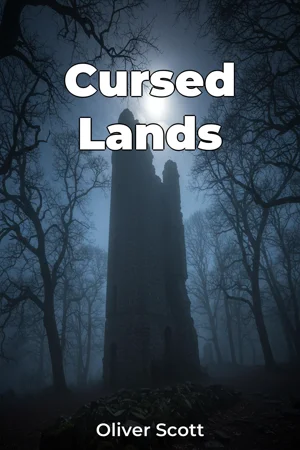
Have you ever wondered why certain places resonate with an unsettling energy, whispered about in hushed tones and avoided by locals? In *Cursed Lands*, we embark on a global exploration of locations shrouded in dark history, persistent legends, and purported paranormal activity. This is not a sensationalized ghost story collection, but a fact-based investigation into the historical, cultural, and psychological factors that contribute to a location's reputation as "cursed." This book delves into three principal themes. First, we examine the documented historical events – battles, natural disasters, outbreaks of disease, acts of cruelty – that have left indelible marks on specific landscapes. Second, we analyze the folklore, mythology, and local beliefs surrounding these places, exploring how oral traditions shape our perception of them. Third, we consider the psychological impact of these factors, investigating how collective trauma, suggestion, and confirmation bias can contribute to the sensation of a location being "haunted" or "cursed." These strands are essential for understanding the complex tapestry of fear and fascination that surrounds these locations. Understanding the perception of cursed lands requires a multidisciplinary approach. We will explore historical archives, anthropological studies, and psychological research to contextualize the evidence. Familiarity with basic historical research methods and an open mind will be beneficial to the reader. The central argument of *Cursed Lands* is that the perception of a place as “cursed” is a complex phenomenon rooted in a confluence of verifiable historical events, culturally transmitted narratives, and psychological predispositions. This book aims to peel back the layers of myth and superstition to reveal the tangible factors that shape our perception of these locations, moving beyond simplistic explanations of supernatural forces. The book begins by introducing the key concepts of historical trauma, cultural transmission, and the psychology of fear. We then proceed through several sections of global case studies. The first section explores locations scarred by warfare and genocide, such as battlefields and former concentration camps, analyzing how the scale of suffering contributes to their grim reputation. The following section focuses on places associated with disease outbreaks and natural disasters, like abandoned leper colonies and sites of catastrophic volcanic eruptions, demonstrating how the memory of mass death affects the collective psyche. Finally, we examine locations associated with dark folklore and legends, such as alleged sites of witchcraft trials and places linked to malevolent spirits, tracing the evolution of these narratives and their impact on local communities. The book culminates in a discussion of the ethical considerations of tourism to these locations and the importance of respecting their complex history. The evidence presented is drawn from diverse sources, including historical records, archaeological findings, anthropological studies, eyewitness accounts, and psychological experiments. We will also analyze relevant literary and cinematic representations of these locations. The book connects to several other fields of study, including sociology (understanding collective memory), psychology (examining trauma and perception), and tourism studies (analyzing the ethics of "dark tourism"). These interdisciplinary connections enrich the book's argument by providing diverse perspectives on the phenomenon of "cursed lands." *Cursed Lands* offers a novel perspective by moving beyond sensationalized accounts and exploring the tangible historical, cultural, and psychological factors that contribute to a location's reputation. The writing style is accessible, blending historical narrative with analytical insights. The target audience includes history enthusiasts, travel buffs, folklore aficionados, and anyone interested in understanding the psychology of fear. This book will appeal to those who seek a nuanced and informed perspective on places shrouded in mystery and legend. As a work of non-fiction in the fields of History and Travel, "Cursed Lands" prioritizes accuracy, verifiable information, and balanced presentation. While exploring potentially unsettling topics, the book maintains a respectful and objective tone. The scope of the book encompasses a global survey of locations, but does not delve into specific paranormal investigations or attempt to prove or disprove the existence of supernatural phenomena. The focus remains on understanding the human perception of these locations, regardless of the veracity of paranormal claims. The information in *Cursed Lands* can inform discussions on historical preservation, cultural sensitivity, and responsible tourism. It provides a framework for understanding how collective memory shapes our relationship with the landscape and how we can approach these locations with respect and understanding. Finally, the book acknowledges the ongoing debates surrounding the validity of paranormal claims and the ethics of profiting from locations associated with tragedy. While not taking a definitive stance, the book encourages readers to engage critically with these issues.
Have you ever wondered why certain places resonate with an unsettling energy, whispered about in hushed tones and avoided by locals? In *Cursed Lands*, we embark on a global exploration of locations shrouded in dark history, persistent legends, and purported paranormal activity. This is not a sensationalized ghost story collection, but a fact-based investigation into the historical, cultural, and psychological factors that contribute to a location's reputation as "cursed." This book delves into three principal themes. First, we examine the documented historical events – battles, natural disasters, outbreaks of disease, acts of cruelty – that have left indelible marks on specific landscapes. Second, we analyze the folklore, mythology, and local beliefs surrounding these places, exploring how oral traditions shape our perception of them. Third, we consider the psychological impact of these factors, investigating how collective trauma, suggestion, and confirmation bias can contribute to the sensation of a location being "haunted" or "cursed." These strands are essential for understanding the complex tapestry of fear and fascination that surrounds these locations. Understanding the perception of cursed lands requires a multidisciplinary approach. We will explore historical archives, anthropological studies, and psychological research to contextualize the evidence. Familiarity with basic historical research methods and an open mind will be beneficial to the reader. The central argument of *Cursed Lands* is that the perception of a place as “cursed” is a complex phenomenon rooted in a confluence of verifiable historical events, culturally transmitted narratives, and psychological predispositions. This book aims to peel back the layers of myth and superstition to reveal the tangible factors that shape our perception of these locations, moving beyond simplistic explanations of supernatural forces. The book begins by introducing the key concepts of historical trauma, cultural transmission, and the psychology of fear. We then proceed through several sections of global case studies. The first section explores locations scarred by warfare and genocide, such as battlefields and former concentration camps, analyzing how the scale of suffering contributes to their grim reputation. The following section focuses on places associated with disease outbreaks and natural disasters, like abandoned leper colonies and sites of catastrophic volcanic eruptions, demonstrating how the memory of mass death affects the collective psyche. Finally, we examine locations associated with dark folklore and legends, such as alleged sites of witchcraft trials and places linked to malevolent spirits, tracing the evolution of these narratives and their impact on local communities. The book culminates in a discussion of the ethical considerations of tourism to these locations and the importance of respecting their complex history. The evidence presented is drawn from diverse sources, including historical records, archaeological findings, anthropological studies, eyewitness accounts, and psychological experiments. We will also analyze relevant literary and cinematic representations of these locations. The book connects to several other fields of study, including sociology (understanding collective memory), psychology (examining trauma and perception), and tourism studies (analyzing the ethics of "dark tourism"). These interdisciplinary connections enrich the book's argument by providing diverse perspectives on the phenomenon of "cursed lands." *Cursed Lands* offers a novel perspective by moving beyond sensationalized accounts and exploring the tangible historical, cultural, and psychological factors that contribute to a location's reputation. The writing style is accessible, blending historical narrative with analytical insights. The target audience includes history enthusiasts, travel buffs, folklore aficionados, and anyone interested in understanding the psychology of fear. This book will appeal to those who seek a nuanced and informed perspective on places shrouded in mystery and legend. As a work of non-fiction in the fields of History and Travel, "Cursed Lands" prioritizes accuracy, verifiable information, and balanced presentation. While exploring potentially unsettling topics, the book maintains a respectful and objective tone. The scope of the book encompasses a global survey of locations, but does not delve into specific paranormal investigations or attempt to prove or disprove the existence of supernatural phenomena. The focus remains on understanding the human perception of these locations, regardless of the veracity of paranormal claims. The information in *Cursed Lands* can inform discussions on historical preservation, cultural sensitivity, and responsible tourism. It provides a framework for understanding how collective memory shapes our relationship with the landscape and how we can approach these locations with respect and understanding. Finally, the book acknowledges the ongoing debates surrounding the validity of paranormal claims and the ethics of profiting from locations associated with tragedy. While not taking a definitive stance, the book encourages readers to engage critically with these issues.
*Cursed Lands* explores the intriguing intersection of history, culture, and psychology in shaping our perception of supposedly "cursed" locations worldwide. Rather than focusing on sensationalized ghost stories, the book delves into the real-world events, folklore, and psychological factors that contribute to a place's eerie reputation. For example, locations scarred by warfare or natural disasters often carry a palpable sense of historical trauma, influencing local beliefs and perceptions of paranormal activity. The book examines how cultural transmission of legends and historical events, coupled with the psychology of fear, perpetuates the idea of certain places as "haunted." It investigates historical records, anthropological studies, and psychological research to contextualize the evidence, offering a multidisciplinary approach. From battlefields to sites of disease outbreaks and places linked to dark folklore, the book progresses through global case studies. Ultimately, *Cursed Lands* aims to provide a nuanced understanding of why certain locations resonate with such unsettling energy.
Book Details
ISBN
9788235226952
Publisher
Publifye AS
Your Licenses
You don't own any licenses for this book
Purchase a license below to unlock this book and download the EPUB.
Purchase License
Select a tier to unlock this book
Need bulk licensing?
Contact us for enterprise agreements.