
About This Book
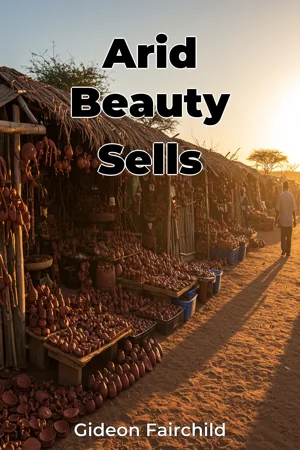
Why are Himba women, traditionally known for their remote, pastoral lifestyle in Namibia, increasingly seen selling their crafts in urban centers? "Arid Beauty Sells" explores the burgeoning trade of Himba crafts and cultural artifacts in Namibian cities, analyzing its economic, social, and cultural implications. This book delves into the heart of a changing dynamic, where traditional practices meet the forces of globalization and urbanization, creating both opportunities and challenges for the Himba people. This book examines three key topics: the economic incentives driving Himba trade, the social impact of this trade on Himba communities, and the cultural implications of commodifying Himba traditions. Understanding these topics is crucial for comprehending the broader trends of cultural preservation, economic development in marginalized communities, and the ethical considerations of cultural tourism. The book does not presuppose specific knowledge but establishes a foundation by presenting the Himba's historical context as nomadic pastoralists in a harsh environment, their unique social structures, and their rich cultural heritage tied intrinsically to the land and livestock. The central argument of "Arid Beauty Sells" is that while the trade in Himba crafts provides much-needed economic opportunities, it also presents a complex interplay of cultural preservation and potential exploitation. This argument is critical because it pushes beyond simplistic narratives of economic empowerment to explore the nuanced realities of indigenous communities navigating the global marketplace. The book begins by introducing the Himba people and their traditional way of life. It then explores how economic pressures, exacerbated by climate change and limited access to resources, have driven Himba women to urban centers in search of income. The book is structured around several core themes. First, it analyzes the economics of Himba trade, examining market structures, pricing strategies, and the distribution of profits. Second, it considers the social effects of this trade on Himba society, focusing on gender roles, intergenerational relationships, and community resilience. Third, it looks at the cultural impact of commodifying Himba traditions, including issues of authenticity, representation, and cultural appropriation. Finally, the book culminates by offering recommendations for sustainable tourism models to promote fair trade practices that benefit the Himba community and preserve their cultural heritage. The analysis relies on a mix of qualitative and quantitative data. Data stems from interviews with Himba craft producers and vendors, ethnographic observations in both rural and urban settings, and market surveys analyzing the demand and pricing of Himba goods. It incorporates data from national statistics on demographics, tourism, and economic development in Namibia, lending credibility to the analysis. The book draws relevant connections to other fields such as anthropology, tourism studies, and development economics. By linking trade practices to anthropological insights into cultural values, it gives a deeper understanding of the issues. Applying frameworks from tourism studies facilitates responsible and respectful cultural exchange. By engaging with development economics, the book places these issues within the context of marginalized communities. The book’s unique approach is its focus on the Himba women involved in the trade process, giving voice to their experiences and perspectives. It specifically uses a grass-roots method to understand their motivations, concerns, and aspirations. The book strives to provide a balanced, objective analysis, acknowledging both the benefits and drawbacks of the trade in Himba crafts. The intended audience includes students and scholars of anthropology, economics, and tourism, as well as policymakers, development practitioners, and anyone interested in indigenous cultures and sustainable development. This book would be valuable to those interested in how globalization affects local communities while simultaneously preserving a cultural legacy. As a work of social science and economics, “Arid Beauty Sells” presents a structured, evidence-based analysis supported by empirical data and theoretical frameworks. The scope of the book is limited to the trade of Himba crafts in Namibian cities, acknowledging that the challenges and opportunities faced by the Himba people extend beyond this specific context. Practically, the book provides insights for developing fair trade initiatives, promoting sustainable tourism practices, and empowering indigenous communities. The book also addresses ongoing debates surrounding the ethical implications of cultural tourism and the responsibility of consumers to ensure that their purchases contribute to the well-being of artisans and their communities.
Why are Himba women, traditionally known for their remote, pastoral lifestyle in Namibia, increasingly seen selling their crafts in urban centers? "Arid Beauty Sells" explores the burgeoning trade of Himba crafts and cultural artifacts in Namibian cities, analyzing its economic, social, and cultural implications. This book delves into the heart of a changing dynamic, where traditional practices meet the forces of globalization and urbanization, creating both opportunities and challenges for the Himba people. This book examines three key topics: the economic incentives driving Himba trade, the social impact of this trade on Himba communities, and the cultural implications of commodifying Himba traditions. Understanding these topics is crucial for comprehending the broader trends of cultural preservation, economic development in marginalized communities, and the ethical considerations of cultural tourism. The book does not presuppose specific knowledge but establishes a foundation by presenting the Himba's historical context as nomadic pastoralists in a harsh environment, their unique social structures, and their rich cultural heritage tied intrinsically to the land and livestock. The central argument of "Arid Beauty Sells" is that while the trade in Himba crafts provides much-needed economic opportunities, it also presents a complex interplay of cultural preservation and potential exploitation. This argument is critical because it pushes beyond simplistic narratives of economic empowerment to explore the nuanced realities of indigenous communities navigating the global marketplace. The book begins by introducing the Himba people and their traditional way of life. It then explores how economic pressures, exacerbated by climate change and limited access to resources, have driven Himba women to urban centers in search of income. The book is structured around several core themes. First, it analyzes the economics of Himba trade, examining market structures, pricing strategies, and the distribution of profits. Second, it considers the social effects of this trade on Himba society, focusing on gender roles, intergenerational relationships, and community resilience. Third, it looks at the cultural impact of commodifying Himba traditions, including issues of authenticity, representation, and cultural appropriation. Finally, the book culminates by offering recommendations for sustainable tourism models to promote fair trade practices that benefit the Himba community and preserve their cultural heritage. The analysis relies on a mix of qualitative and quantitative data. Data stems from interviews with Himba craft producers and vendors, ethnographic observations in both rural and urban settings, and market surveys analyzing the demand and pricing of Himba goods. It incorporates data from national statistics on demographics, tourism, and economic development in Namibia, lending credibility to the analysis. The book draws relevant connections to other fields such as anthropology, tourism studies, and development economics. By linking trade practices to anthropological insights into cultural values, it gives a deeper understanding of the issues. Applying frameworks from tourism studies facilitates responsible and respectful cultural exchange. By engaging with development economics, the book places these issues within the context of marginalized communities. The book’s unique approach is its focus on the Himba women involved in the trade process, giving voice to their experiences and perspectives. It specifically uses a grass-roots method to understand their motivations, concerns, and aspirations. The book strives to provide a balanced, objective analysis, acknowledging both the benefits and drawbacks of the trade in Himba crafts. The intended audience includes students and scholars of anthropology, economics, and tourism, as well as policymakers, development practitioners, and anyone interested in indigenous cultures and sustainable development. This book would be valuable to those interested in how globalization affects local communities while simultaneously preserving a cultural legacy. As a work of social science and economics, “Arid Beauty Sells” presents a structured, evidence-based analysis supported by empirical data and theoretical frameworks. The scope of the book is limited to the trade of Himba crafts in Namibian cities, acknowledging that the challenges and opportunities faced by the Himba people extend beyond this specific context. Practically, the book provides insights for developing fair trade initiatives, promoting sustainable tourism practices, and empowering indigenous communities. The book also addresses ongoing debates surrounding the ethical implications of cultural tourism and the responsibility of consumers to ensure that their purchases contribute to the well-being of artisans and their communities.
"Arid Beauty Sells" explores the evolving trade of Himba crafts in Namibia, examining the intersection of tradition, globalization, and economic development. This book delves into how Himba women, traditionally known for their pastoral lifestyle, are increasingly selling crafts in urban centers. One intriguing aspect is the delicate balance between providing economic opportunities and the potential for cultural commodification. The book highlights the social impact of this trade on Himba communities, including shifts in gender roles and intergenerational relationships. The approach uses qualitative and quantitative data, including interviews and ethnographic observations, to provide a comprehensive analysis. It addresses critical issues such as cultural preservation, fair trade, and the challenges faced by indigenous communities in the global marketplace. The structure progresses from introducing the Himba people and their traditions, to analyzing the economics of the craft trade, its social effects, and cultural implications, ultimately offering recommendations for sustainable tourism models. By understanding these dynamics, "Arid Beauty Sells" offers valuable insights into the complexities of cultural tourism and its impact on marginalized communities.
Book Details
ISBN
9788235226778
Publisher
Publifye AS
Your Licenses
You don't own any licenses for this book
Purchase a license below to unlock this book and download the EPUB.
Purchase License
Select a tier to unlock this book
Need bulk licensing?
Contact us for enterprise agreements.