
About This Book
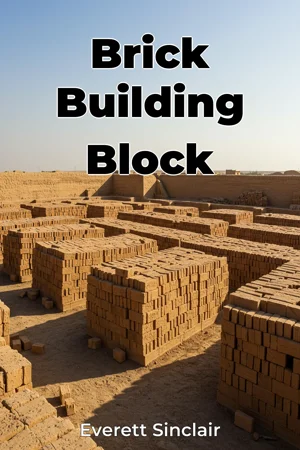
How did a simple, standardized unit of fired clay become a cornerstone of global architecture? "Brick Building Block" investigates the remarkable story of the brick, tracing its evolution and impact across diverse civilizations and architectural styles. This book delves into the standardization of fired clay construction units, analyzing its profound architectural impacts and exploring the manufacturing innovations that propelled its widespread adoption. The book's significance lies in its exploration of three key areas. First, it examines the historical progression of brick manufacturing techniques, from rudimentary sun-dried bricks to sophisticated kiln-fired variants, and how these advancements influenced architectural possibilities. Second, it analyzes the architectural impact of brick standardization, investigating how uniform brick sizes shaped building designs and construction practices across different cultures. Third, it studies the economic and social factors that contributed to the brick’s enduring popularity as a building material. These topics are important because they illuminate the interconnectedness of technological innovation, architectural expression, and societal development. Understanding the brick's story requires acknowledging its deep historical roots. The book provides context by exploring early brick-making traditions in ancient Mesopotamia and the subsequent spread of brick technology to other regions, highlighting the influence of material availability, climate, and cultural preferences. Knowledge of basic architectural principles and material science will enhance the reader's appreciation of the technical aspects of brick construction. The central argument of "Brick Building Block" is that the standardization of fired clay bricks facilitated a revolutionary shift in architectural practice, enabling more efficient construction, greater structural stability, and increased design flexibility. This standardization not only democratized building practices but also fostered cross-cultural exchange and innovation. This argument is important because it challenges the often-overlooked role of seemingly simple building materials in shaping the built environment. The book unfolds in a structured manner. It begins by introducing the concept of brick standardization and its early manifestations in various ancient civilizations. The following sections delve into the development of brick manufacturing technologies, examining the evolution of kiln designs and firing processes. Subsequent chapters analyze the architectural applications of bricks, considering their use in various building types, from residential structures to monumental constructions. The book culminates by exploring the modern resurgence of brick construction, highlighting its sustainability and aesthetic appeal. Evidence presented in the book draws from a variety of sources, including archaeological records, historical texts, architectural drawings, and material analysis reports. Unique data sources include comparative studies of brick sizes and compositions from different historical periods and regions. The book benefits from an interdisciplinary approach, drawing connections between architecture, history, and material science. It considers how economic factors influenced the production and distribution of bricks, how social norms shaped their use in construction, and how technological advancements facilitated their standardization. This book offers a unique perspective by emphasizing the often-underestimated impact of a single building material on the course of architectural history. The tone is academic yet accessible, aiming to engage both specialists and general readers interested in architecture and history. The target audience includes architects, historians, archaeologists, students of architecture and construction, and anyone interested in the history of building materials. The book aligns with the conventions of architectural history and general architecture genres, offering a detailed and well-researched account of its subject matter. The scope of the book encompasses a broad geographical range, examining brick construction practices in various regions of the world. However, it intentionally limits its focus to fired clay bricks, excluding other types of bricks made from different materials. The information presented in "Brick Building Block" has practical applications for contemporary architects and builders, offering insights into sustainable construction practices and innovative brick designs. The book also touches upon ongoing debates regarding the environmental impact of brick manufacturing and the preservation of historic brick structures.
How did a simple, standardized unit of fired clay become a cornerstone of global architecture? "Brick Building Block" investigates the remarkable story of the brick, tracing its evolution and impact across diverse civilizations and architectural styles. This book delves into the standardization of fired clay construction units, analyzing its profound architectural impacts and exploring the manufacturing innovations that propelled its widespread adoption. The book's significance lies in its exploration of three key areas. First, it examines the historical progression of brick manufacturing techniques, from rudimentary sun-dried bricks to sophisticated kiln-fired variants, and how these advancements influenced architectural possibilities. Second, it analyzes the architectural impact of brick standardization, investigating how uniform brick sizes shaped building designs and construction practices across different cultures. Third, it studies the economic and social factors that contributed to the brick’s enduring popularity as a building material. These topics are important because they illuminate the interconnectedness of technological innovation, architectural expression, and societal development. Understanding the brick's story requires acknowledging its deep historical roots. The book provides context by exploring early brick-making traditions in ancient Mesopotamia and the subsequent spread of brick technology to other regions, highlighting the influence of material availability, climate, and cultural preferences. Knowledge of basic architectural principles and material science will enhance the reader's appreciation of the technical aspects of brick construction. The central argument of "Brick Building Block" is that the standardization of fired clay bricks facilitated a revolutionary shift in architectural practice, enabling more efficient construction, greater structural stability, and increased design flexibility. This standardization not only democratized building practices but also fostered cross-cultural exchange and innovation. This argument is important because it challenges the often-overlooked role of seemingly simple building materials in shaping the built environment. The book unfolds in a structured manner. It begins by introducing the concept of brick standardization and its early manifestations in various ancient civilizations. The following sections delve into the development of brick manufacturing technologies, examining the evolution of kiln designs and firing processes. Subsequent chapters analyze the architectural applications of bricks, considering their use in various building types, from residential structures to monumental constructions. The book culminates by exploring the modern resurgence of brick construction, highlighting its sustainability and aesthetic appeal. Evidence presented in the book draws from a variety of sources, including archaeological records, historical texts, architectural drawings, and material analysis reports. Unique data sources include comparative studies of brick sizes and compositions from different historical periods and regions. The book benefits from an interdisciplinary approach, drawing connections between architecture, history, and material science. It considers how economic factors influenced the production and distribution of bricks, how social norms shaped their use in construction, and how technological advancements facilitated their standardization. This book offers a unique perspective by emphasizing the often-underestimated impact of a single building material on the course of architectural history. The tone is academic yet accessible, aiming to engage both specialists and general readers interested in architecture and history. The target audience includes architects, historians, archaeologists, students of architecture and construction, and anyone interested in the history of building materials. The book aligns with the conventions of architectural history and general architecture genres, offering a detailed and well-researched account of its subject matter. The scope of the book encompasses a broad geographical range, examining brick construction practices in various regions of the world. However, it intentionally limits its focus to fired clay bricks, excluding other types of bricks made from different materials. The information presented in "Brick Building Block" has practical applications for contemporary architects and builders, offering insights into sustainable construction practices and innovative brick designs. The book also touches upon ongoing debates regarding the environmental impact of brick manufacturing and the preservation of historic brick structures.
"Brick Building Block" explores the compelling history of the humble brick and its profound influence on global architecture. From ancient Mesopotamia to modern designs, the book traces the evolution of this fundamental building material, highlighting its transformation from sun-dried clay to standardized, kiln-fired units. The narrative uncovers how innovations in brick manufacturing, such as advancements in kiln designs, directly shaped architectural possibilities and construction techniques. The book uniquely examines how brick standardization revolutionized building practices, enabling efficient construction and greater structural stability across diverse cultures. It delves into the material science behind fired clay bricks, referencing archaeological records and historical texts to illustrate brick's impact on architectural styles. With a structured approach, the book progresses from the earliest uses of brick to its modern resurgence, emphasizing its enduring appeal and sustainability.
Book Details
ISBN
9788235226662
Publisher
Publifye AS
Your Licenses
You don't own any licenses for this book
Purchase a license below to unlock this book and download the EPUB.
Purchase License
Select a tier to unlock this book
Need bulk licensing?
Contact us for enterprise agreements.