
About This Book
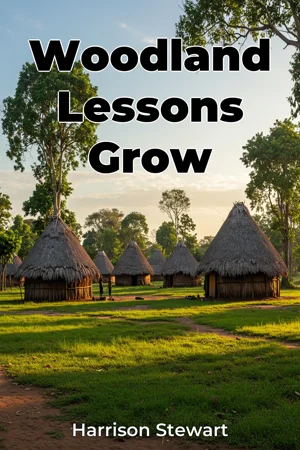
How can indigenous communities preserve their heritage while embracing modern educational practices? "Woodland Lessons Grow" explores this crucial question by examining the evolving educational landscape of Pygmy communities in Central Africa. This study delves into the intricate process of integrating formal schooling systems with the deeply rooted traditions and knowledge systems of these unique cultures. The book addresses three main themes: the historical impact of colonization and globalization on Pygmy education, the challenges and opportunities presented by the introduction of standardized curricula, and the innovative strategies being developed to create culturally relevant learning environments. These topics are significant because they highlight the tension between preserving indigenous identity and preparing individuals for participation in a changing world. Neglecting either aspect can lead to cultural erosion or limited opportunities for future generations. Understanding the historical context requires acknowledging the legacy of marginalization and discrimination faced by Pygmy communities. Traditional lifestyles, centered around forest dwelling and sustainable resource management, were disrupted by colonial policies and continue to be challenged by modern development. The introduction of formal schooling was often accompanied by the suppression of indigenous languages and cultural practices. Current efforts aim to correct these past injustices. The central argument of "Woodland Lessons Grow" is that successful education for Pygmy children must be rooted in a collaborative approach that respects and integrates indigenous knowledge with the broader national curriculum. This argues for the importance of empowering local communities to shape their own educational destinies. The value lies in demonstrating how culturally responsive education can lead to improved academic outcomes, increased cultural pride, and a more equitable future. The book unfolds in three sections. The first section introduces the history of Pygmy communities and their traditional forms of knowledge transmission, including oral storytelling, apprenticeship, and community-based learning. The second section analyzes the impact of formal schooling systems, examining curriculum content, teaching methodologies, and the experiences of students and teachers. The third section showcases case studies of successful initiatives that blend traditional knowledge with modern educational practices, highlighting the roles of community elders, bilingual education programs, and culturally relevant teaching materials. The book culminates with a discussion of policy recommendations and practical strategies for fostering sustainable and equitable education systems. The evidence presented is drawn from ethnographic research conducted in various Pygmy communities, incorporating interviews with educators, parents, community leaders, and students. The use of participatory action research methods ensures that the communities themselves are actively involved in the research process. This work connects to several disciplines, including anthropology, education, sociology, and history. The anthropological perspective provides insights into cultural preservation and identity formation. The educational lens focuses on effective teaching and learning strategies. The sociological analysis examines the impact of social structures and power dynamics on educational outcomes. The historical perspective contextualizes the evolution of Pygmy education over time. "Woodland Lessons Grow" employs a balanced and respectful tone, presenting a nuanced portrayal of the challenges and opportunities facing Pygmy communities. The writing style is clear and accessible, making the information understandable to a broad audience. The book is aimed at educators, policymakers, researchers, and anyone interested in indigenous education and cultural preservation. It appeals to those seeking a deeper understanding of the complexities of balancing tradition and modernity in education. As a work of history and textbook genre, "Woodland Lessons Grow" adheres to standards of academic rigor, verifiable facts, and objective analysis. The scope of the book is limited to educational practices in specific Pygmy communities, recognizing the diversity of experiences within these populations. While not exhaustive, it provides a detailed examination of the issues at hand with solid data to support its claims. The book offers practical insights for educators and policymakers working with indigenous communities around the world. The strategies and best practices identified in "Woodland Lessons Grow" can be adapted to other contexts where cultural preservation and educational equity are paramount. The research addresses ongoing debates about the role of indigenous languages in education and the importance of culturally relevant curricula.
How can indigenous communities preserve their heritage while embracing modern educational practices? "Woodland Lessons Grow" explores this crucial question by examining the evolving educational landscape of Pygmy communities in Central Africa. This study delves into the intricate process of integrating formal schooling systems with the deeply rooted traditions and knowledge systems of these unique cultures. The book addresses three main themes: the historical impact of colonization and globalization on Pygmy education, the challenges and opportunities presented by the introduction of standardized curricula, and the innovative strategies being developed to create culturally relevant learning environments. These topics are significant because they highlight the tension between preserving indigenous identity and preparing individuals for participation in a changing world. Neglecting either aspect can lead to cultural erosion or limited opportunities for future generations. Understanding the historical context requires acknowledging the legacy of marginalization and discrimination faced by Pygmy communities. Traditional lifestyles, centered around forest dwelling and sustainable resource management, were disrupted by colonial policies and continue to be challenged by modern development. The introduction of formal schooling was often accompanied by the suppression of indigenous languages and cultural practices. Current efforts aim to correct these past injustices. The central argument of "Woodland Lessons Grow" is that successful education for Pygmy children must be rooted in a collaborative approach that respects and integrates indigenous knowledge with the broader national curriculum. This argues for the importance of empowering local communities to shape their own educational destinies. The value lies in demonstrating how culturally responsive education can lead to improved academic outcomes, increased cultural pride, and a more equitable future. The book unfolds in three sections. The first section introduces the history of Pygmy communities and their traditional forms of knowledge transmission, including oral storytelling, apprenticeship, and community-based learning. The second section analyzes the impact of formal schooling systems, examining curriculum content, teaching methodologies, and the experiences of students and teachers. The third section showcases case studies of successful initiatives that blend traditional knowledge with modern educational practices, highlighting the roles of community elders, bilingual education programs, and culturally relevant teaching materials. The book culminates with a discussion of policy recommendations and practical strategies for fostering sustainable and equitable education systems. The evidence presented is drawn from ethnographic research conducted in various Pygmy communities, incorporating interviews with educators, parents, community leaders, and students. The use of participatory action research methods ensures that the communities themselves are actively involved in the research process. This work connects to several disciplines, including anthropology, education, sociology, and history. The anthropological perspective provides insights into cultural preservation and identity formation. The educational lens focuses on effective teaching and learning strategies. The sociological analysis examines the impact of social structures and power dynamics on educational outcomes. The historical perspective contextualizes the evolution of Pygmy education over time. "Woodland Lessons Grow" employs a balanced and respectful tone, presenting a nuanced portrayal of the challenges and opportunities facing Pygmy communities. The writing style is clear and accessible, making the information understandable to a broad audience. The book is aimed at educators, policymakers, researchers, and anyone interested in indigenous education and cultural preservation. It appeals to those seeking a deeper understanding of the complexities of balancing tradition and modernity in education. As a work of history and textbook genre, "Woodland Lessons Grow" adheres to standards of academic rigor, verifiable facts, and objective analysis. The scope of the book is limited to educational practices in specific Pygmy communities, recognizing the diversity of experiences within these populations. While not exhaustive, it provides a detailed examination of the issues at hand with solid data to support its claims. The book offers practical insights for educators and policymakers working with indigenous communities around the world. The strategies and best practices identified in "Woodland Lessons Grow" can be adapted to other contexts where cultural preservation and educational equity are paramount. The research addresses ongoing debates about the role of indigenous languages in education and the importance of culturally relevant curricula.
"Woodland Lessons Grow" examines the intersection of indigenous education and modern educational practices within Central African Pygmy communities. It explores how these communities navigate the complexities of cultural preservation amid globalization, addressing the historical impact of colonization on their traditional knowledge and the challenges of integrating standardized curricula. One intriguing aspect is the disruption of traditional lifestyles, once centered on sustainable forest management, by colonial policies. Another is the suppression of indigenous languages in favor of formal schooling, a practice modern efforts now seek to rectify. The book uniquely emphasizes a collaborative approach, advocating for the integration of indigenous knowledge with national curricula to empower local communities. It presents a detailed history of Pygmy communities, analyzing the impact of formal schooling and showcasing successful initiatives that blend traditional knowledge with modern education. Through ethnographic research and participatory action research, the book offers insights into creating culturally relevant learning environments. The study unfolds in three sections, moving from the history of traditional knowledge transmission to the impact of formal schooling, and culminating in case studies of successful integration efforts. This progression allows educators, policymakers, and researchers to understand the nuances of supporting educational equity while respecting cultural heritage.
Book Details
ISBN
9788235226471
Publisher
Publifye AS
Your Licenses
You don't own any licenses for this book
Purchase a license below to unlock this book and download the EPUB.
Purchase License
Select a tier to unlock this book
Need bulk licensing?
Contact us for enterprise agreements.