
About This Book
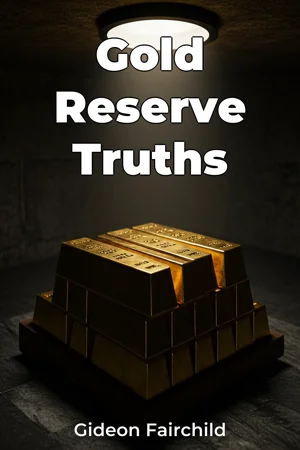
Is the gold in Fort Knox truly secure, and what does its fluctuating quantity reveal about the underpinnings of U.S. economic policy? "Gold Reserve Truths" delves into the enigmatic world of Fort Knox, meticulously investigating its gold holdings, the documented and rumored decline in those reserves, and the far-reaching impact this has on the stability and direction of U.S. economic strategy. This book is important because the gold reserves ostensibly held at Fort Knox are a crucial, yet often overlooked, component of the nation's financial credibility and influence on the world stage. Understanding the realities of these reserves is vital for any informed discussion on U.S. economic policy. The book provides crucial historical context, beginning with the establishment of Fort Knox as the primary gold depository in 1937, and examines the shifting economic landscape that influenced the gold standard, its eventual abandonment, and the subsequent evolution of monetary policy. Readers will gain essential knowledge of basic economic principles related to currency valuation, inflation, and the role of central banks. "Gold Reserve Truths" argues that transparency regarding the actual gold reserves at Fort Knox is essential for maintaining public trust and ensuring responsible economic governance. The book presents evidence suggesting discrepancies between officially reported figures and independently verifiable data, leading to questions about the true state of U.S. gold assets and the potential implications for the dollar's value and international trade agreements. The structure of the book is designed to progressively build a comprehensive understanding of the topic. Part one introduces the history of Fort Knox and the allure of gold as a monetary standard. Part two examines the evidence surrounding the current gold reserves by analyzing official audit reports, independent investigations, and anecdotal accounts. Part three analyzes the consequences of any potential discrepancies, including the effects on investor confidence, international relations, and the future of U.S. economic policy. The book culminates with a discussion of potential reforms aimed at increasing transparency and accountability in the management of the nation’s gold reserves. "Gold Reserve Truths" draws upon a variety of sources, including government documents, financial reports, historical records, and interviews with economists, financial analysts, and former government officials. The book also incorporates data gleaned from investigative journalism and independent audits to provide a multi-faceted view of the topic. The book connects to several other fields of study, including international relations (as gold reserves influence a nation's standing in the global economy), political science (because the transparency of gold reserves impacts public trust and government accountability), and history (as the gold standard and its legacies have shaped modern economic practice). What sets this book apart is its rigorous and objective approach to a topic often mired in secrecy and speculation. It strives to cut through the noise to present a clear, evidence-based analysis of the situation. The tone is analytical and informative. The target audience includes investors, policymakers, economists, students of economics, and anyone interested in understanding the complexities of U.S. economic policy. The book offers valuable insights into the intersection of politics and economics, addressing real-world financial concerns. In line with similar works in the political and economic genres, "Gold Reserve Truths" provides detailed analysis, clear explanations of complex concepts, and extensive endnotes for readers interested in further research. The book's scope is intentionally focused on Fort Knox and its gold reserves, acknowledging that this is just one piece of a larger puzzle regarding U.S. economic policy. It does not delve into the gold holdings of other nations or the broader global gold market in detail, but it touches on these as needed to contextualize the U.S. situation. The information contained within can be used by investors to make more informed decisions about their portfolios, by policymakers to advocate for greater transparency and accountability, and by citizens to understand the underlying forces shaping the U.S. economy. Finally, "Gold Reserve Truths" addresses the ongoing debate surrounding the role of gold in the modern economy. Is it an antiquated relic or a vital safeguard against inflation and economic instability? The book doesn't offer definitive answers, but rather encourages readers to critically evaluate the evidence and form their own informed opinions.
Is the gold in Fort Knox truly secure, and what does its fluctuating quantity reveal about the underpinnings of U.S. economic policy? "Gold Reserve Truths" delves into the enigmatic world of Fort Knox, meticulously investigating its gold holdings, the documented and rumored decline in those reserves, and the far-reaching impact this has on the stability and direction of U.S. economic strategy. This book is important because the gold reserves ostensibly held at Fort Knox are a crucial, yet often overlooked, component of the nation's financial credibility and influence on the world stage. Understanding the realities of these reserves is vital for any informed discussion on U.S. economic policy. The book provides crucial historical context, beginning with the establishment of Fort Knox as the primary gold depository in 1937, and examines the shifting economic landscape that influenced the gold standard, its eventual abandonment, and the subsequent evolution of monetary policy. Readers will gain essential knowledge of basic economic principles related to currency valuation, inflation, and the role of central banks. "Gold Reserve Truths" argues that transparency regarding the actual gold reserves at Fort Knox is essential for maintaining public trust and ensuring responsible economic governance. The book presents evidence suggesting discrepancies between officially reported figures and independently verifiable data, leading to questions about the true state of U.S. gold assets and the potential implications for the dollar's value and international trade agreements. The structure of the book is designed to progressively build a comprehensive understanding of the topic. Part one introduces the history of Fort Knox and the allure of gold as a monetary standard. Part two examines the evidence surrounding the current gold reserves by analyzing official audit reports, independent investigations, and anecdotal accounts. Part three analyzes the consequences of any potential discrepancies, including the effects on investor confidence, international relations, and the future of U.S. economic policy. The book culminates with a discussion of potential reforms aimed at increasing transparency and accountability in the management of the nation’s gold reserves. "Gold Reserve Truths" draws upon a variety of sources, including government documents, financial reports, historical records, and interviews with economists, financial analysts, and former government officials. The book also incorporates data gleaned from investigative journalism and independent audits to provide a multi-faceted view of the topic. The book connects to several other fields of study, including international relations (as gold reserves influence a nation's standing in the global economy), political science (because the transparency of gold reserves impacts public trust and government accountability), and history (as the gold standard and its legacies have shaped modern economic practice). What sets this book apart is its rigorous and objective approach to a topic often mired in secrecy and speculation. It strives to cut through the noise to present a clear, evidence-based analysis of the situation. The tone is analytical and informative. The target audience includes investors, policymakers, economists, students of economics, and anyone interested in understanding the complexities of U.S. economic policy. The book offers valuable insights into the intersection of politics and economics, addressing real-world financial concerns. In line with similar works in the political and economic genres, "Gold Reserve Truths" provides detailed analysis, clear explanations of complex concepts, and extensive endnotes for readers interested in further research. The book's scope is intentionally focused on Fort Knox and its gold reserves, acknowledging that this is just one piece of a larger puzzle regarding U.S. economic policy. It does not delve into the gold holdings of other nations or the broader global gold market in detail, but it touches on these as needed to contextualize the U.S. situation. The information contained within can be used by investors to make more informed decisions about their portfolios, by policymakers to advocate for greater transparency and accountability, and by citizens to understand the underlying forces shaping the U.S. economy. Finally, "Gold Reserve Truths" addresses the ongoing debate surrounding the role of gold in the modern economy. Is it an antiquated relic or a vital safeguard against inflation and economic instability? The book doesn't offer definitive answers, but rather encourages readers to critically evaluate the evidence and form their own informed opinions.
"Gold Reserve Truths" tackles the crucial, yet often obscured, topic of Fort Knox's gold reserves and their significance for U.S. economic policy and global financial standing. The book unveils how these reserves, established in 1937, impact investor confidence, currency valuation, and international relations. Readers will gain insight into the implications of the gold standard's abandonment and the evolution of monetary policy, understanding how gold continues to play a role in economic governance. The book progresses systematically, first establishing the historical context and the allure of gold, then examining the evidence through official audits and independent investigations. It highlights potential discrepancies between reported figures and verifiable data, raising questions about transparency and government accountability. By drawing upon government documents, financial reports, and interviews, "Gold Reserve Truths" offers a multifaceted analysis, urging readers to critically evaluate the evidence and consider the future of U.S. economic policy.
Book Details
ISBN
9788235226112
Publisher
Publifye AS
Your Licenses
You don't own any licenses for this book
Purchase a license below to unlock this book and download the EPUB.
Purchase License
Select a tier to unlock this book
Need bulk licensing?
Contact us for enterprise agreements.