
About This Book
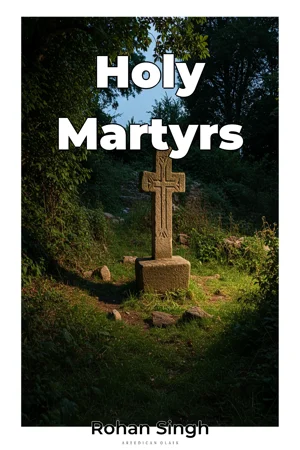
What drives a person to willingly face death for their beliefs? *Holy Martyrs* explores the profound sacrifices made by religious figures throughout history, examining not just their final moments, but the lives and convictions that led them to such ultimate acts of faith. This book delves into the historical, social, and theological contexts surrounding martyrdom, revealing how these deaths shaped religious movements and inspired unwavering devotion. The work examines three core tenets: the varied motivations behind martyrdom, the diverse interpretations of these acts within different faiths, and the enduring legacy of martyrs in shaping religious identity and practice. These topics are significant because they shed light on the complex interplay between faith, power, and societal values, revealing how the concept of martyrdom has been both a source of strength and a point of contention across religions. Understanding martyrdom requires a grasp of historical power dynamics, religious doctrines, and philosophical perspectives on life, death, and the afterlife. The book provides this necessary context, offering accessible explanations of complex theological concepts. The central argument of *Holy Martyrs* is that the deaths of these figures, while often brutal, served as powerful catalysts for the growth and solidification of religious communities. These acts were not merely isolated incidents of fanaticism, but rather, were deeply embedded in the social and political landscapes of their time, serving as potent symbols of resistance, unwavering faith, and ultimate sacrifice. The book opens by defining martyrdom across various religious traditions, establishing a working framework for analysis. It then proceeds with detailed case studies, examining the lives and deaths of select martyrs from different faiths. These include early Christian martyrs under Roman persecution, prominent figures in Islamic history who faced political opposition, and individuals from other religious traditions who died defending their beliefs. Each case study will explore not only the circumstances of their deaths but also the social, political, and religious climates that shaped their choices and the subsequent impact on their respective communities. The book culminates by exploring the lasting impact of martyrdom on religious thought, art, literature, and practice, demonstrating how these figures continue to inspire and influence believers today. To support its arguments, *Holy Martyrs* draws upon a wide range of primary and secondary sources, including historical documents, religious texts, biographical accounts, and scholarly analyses. It also incorporates archaeological findings and artistic representations to provide a multifaceted understanding of the lives and legacies of these figures. This book connects to other fields such as history, sociology, and political science, offering insights into the intersection of religion and power, the dynamics of social movements, and the psychology of belief. By examining martyrdom through these interdisciplinary lenses, the work provides a richer and more nuanced understanding of its significance. *Holy Martyrs* stands out by offering a comparative analysis of martyrdom across different religious traditions, moving beyond a single-faith perspective. It addresses the complexities and ambiguities surrounding the concept of holy death, acknowledging the potential for martyrdom to be both a force for good and a source of conflict. The book adopts a scholarly yet accessible tone, aiming to engage both academic readers and general audiences interested in religious history and the human condition. The writing style is informative and engaging, employing clear and concise language to convey complex ideas. The target audience includes students of religion, history, and cultural studies, as well as general readers interested in learning more about the lives and legacies of religious figures. The book is valuable for anyone seeking a deeper understanding of the role of faith in shaping human history and the enduring power of belief. As a work of religious biography, *Holy Martyrs* adheres to the conventions of historical accuracy, thorough research, and balanced presentation of diverse perspectives. It acknowledges the sensitivity surrounding the topic of martyrdom and avoids sensationalism or proselytization. While the book covers a broad range of religious traditions, it is not exhaustive. The selection of case studies is intended to be representative rather than comprehensive, focusing on figures who have had a significant impact on their respective religious communities. The insights gleaned from *Holy Martyrs* can be applied to contemporary issues such as religious freedom, interfaith dialogue, and conflict resolution. By understanding the motivations and legacies of martyrs, readers can gain a deeper appreciation for the complexities of religious belief and the importance of respecting diverse perspectives. The book addresses some controversies, particularly those surrounding the misuse of martyrdom as justification for violence and extremism. It critically examines these issues.
What drives a person to willingly face death for their beliefs? *Holy Martyrs* explores the profound sacrifices made by religious figures throughout history, examining not just their final moments, but the lives and convictions that led them to such ultimate acts of faith. This book delves into the historical, social, and theological contexts surrounding martyrdom, revealing how these deaths shaped religious movements and inspired unwavering devotion. The work examines three core tenets: the varied motivations behind martyrdom, the diverse interpretations of these acts within different faiths, and the enduring legacy of martyrs in shaping religious identity and practice. These topics are significant because they shed light on the complex interplay between faith, power, and societal values, revealing how the concept of martyrdom has been both a source of strength and a point of contention across religions. Understanding martyrdom requires a grasp of historical power dynamics, religious doctrines, and philosophical perspectives on life, death, and the afterlife. The book provides this necessary context, offering accessible explanations of complex theological concepts. The central argument of *Holy Martyrs* is that the deaths of these figures, while often brutal, served as powerful catalysts for the growth and solidification of religious communities. These acts were not merely isolated incidents of fanaticism, but rather, were deeply embedded in the social and political landscapes of their time, serving as potent symbols of resistance, unwavering faith, and ultimate sacrifice. The book opens by defining martyrdom across various religious traditions, establishing a working framework for analysis. It then proceeds with detailed case studies, examining the lives and deaths of select martyrs from different faiths. These include early Christian martyrs under Roman persecution, prominent figures in Islamic history who faced political opposition, and individuals from other religious traditions who died defending their beliefs. Each case study will explore not only the circumstances of their deaths but also the social, political, and religious climates that shaped their choices and the subsequent impact on their respective communities. The book culminates by exploring the lasting impact of martyrdom on religious thought, art, literature, and practice, demonstrating how these figures continue to inspire and influence believers today. To support its arguments, *Holy Martyrs* draws upon a wide range of primary and secondary sources, including historical documents, religious texts, biographical accounts, and scholarly analyses. It also incorporates archaeological findings and artistic representations to provide a multifaceted understanding of the lives and legacies of these figures. This book connects to other fields such as history, sociology, and political science, offering insights into the intersection of religion and power, the dynamics of social movements, and the psychology of belief. By examining martyrdom through these interdisciplinary lenses, the work provides a richer and more nuanced understanding of its significance. *Holy Martyrs* stands out by offering a comparative analysis of martyrdom across different religious traditions, moving beyond a single-faith perspective. It addresses the complexities and ambiguities surrounding the concept of holy death, acknowledging the potential for martyrdom to be both a force for good and a source of conflict. The book adopts a scholarly yet accessible tone, aiming to engage both academic readers and general audiences interested in religious history and the human condition. The writing style is informative and engaging, employing clear and concise language to convey complex ideas. The target audience includes students of religion, history, and cultural studies, as well as general readers interested in learning more about the lives and legacies of religious figures. The book is valuable for anyone seeking a deeper understanding of the role of faith in shaping human history and the enduring power of belief. As a work of religious biography, *Holy Martyrs* adheres to the conventions of historical accuracy, thorough research, and balanced presentation of diverse perspectives. It acknowledges the sensitivity surrounding the topic of martyrdom and avoids sensationalism or proselytization. While the book covers a broad range of religious traditions, it is not exhaustive. The selection of case studies is intended to be representative rather than comprehensive, focusing on figures who have had a significant impact on their respective religious communities. The insights gleaned from *Holy Martyrs* can be applied to contemporary issues such as religious freedom, interfaith dialogue, and conflict resolution. By understanding the motivations and legacies of martyrs, readers can gain a deeper appreciation for the complexities of religious belief and the importance of respecting diverse perspectives. The book addresses some controversies, particularly those surrounding the misuse of martyrdom as justification for violence and extremism. It critically examines these issues.
*Holy Martyrs* explores the compelling phenomenon of martyrdom across various religions, examining the lives, motivations, and lasting impact of individuals who sacrificed themselves for their beliefs. It reveals how these acts of ultimate faith have shaped religious movements and continue to inspire devotion. The book highlights the varied interpretations of martyrdom, noting how these deaths served as catalysts for the growth and solidification of religious communities. The study provides a comparative analysis across different religious traditions, moving beyond a single-faith perspective to address the complexities surrounding holy death. It further investigates the historical, social, and theological contexts of martyrdom, offering accessible explanations of complex concepts. For instance, the book reveals the deaths of early Christian martyrs under Roman persecution and how those events impacted religious identity. Beginning with a definition of martyrdom, the book progresses by presenting detailed case studies from different faiths. It concludes by exploring the lasting impact of martyrdom on religious thought, art, and practice. Drawing upon historical documents, religious texts, and scholarly analyses, *Holy Martyrs* offers a multifaceted understanding of the lives and legacies of these religious figures.
Book Details
ISBN
9788235225955
Publisher
Publifye AS
Your Licenses
You don't own any licenses for this book
Purchase a license below to unlock this book and download the EPUB.
Purchase License
Select a tier to unlock this book
Need bulk licensing?
Contact us for enterprise agreements.