
About This Book
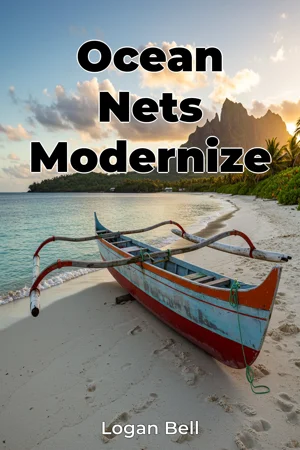
How have motorized fishing practices reshaped Polynesian culture and economies in the age of tourism? "Ocean Nets Modernize" explores this complex intersection, offering a historical and contemporary analysis of the transition from traditional fishing methods to modern, engine-powered techniques in Polynesia, particularly as they relate to the burgeoning tourism industry. This transformation is significant because it influences not only the ecological sustainability of Polynesian waters but also the cultural identity and economic stability of its people. This book argues that the introduction of motorized fishing, while initially offering increased yields and economic opportunities, presents a nuanced challenge to Polynesian societies. The core topics examined are the history of traditional Polynesian fishing techniques, the adoption and proliferation of motorized fishing vessels, and the impact of tourism on these evolving practices. Understanding these elements provides essential insight into the present economic and cultural state of many Polynesian islands. Historically, Polynesian societies developed sophisticated, sustainable fishing practices deeply interwoven with their cultural beliefs and social structures. This book contextualizes the shift towards motorized fishing within the broader history of colonization and globalization, highlighting how external economic pressures and technological advancements altered traditional ways of life. The central argument posits that the complete embrace of motorized fishing for tourism, without careful consideration of its ecological and cultural consequences, risks eroding the very foundations of Polynesian identity and resource management. "Ocean Nets Modernize" is structured to provide a comprehensive understanding of this transition. The book begins by detailing pre-colonial Polynesian fishing practices, emphasizing their sustainability and cultural significance. It then investigates the introduction of motorized vessels and their immediate impacts on fish yields and local economies. A key section analyzes the growth of tourism and its influence on fishing practices, including the demand for specific species to cater to tourist consumption. The book culminates with an assessment of the long-term ecological and cultural consequences, offering practical suggestions for sustainable fisheries management within a tourism-driven economy. The evidence presented is drawn from a variety of sources, including historical records, ethnographic studies, interviews with Polynesian fishermen and community leaders, and scientific data on fish stocks and marine ecosystems. Unique data sources include oral histories collected from elders who witnessed the transition firsthand and previously unpublished reports on the economic impact of tourism on local fisheries. This study connects to several other fields, namely environmental science, anthropology, and economics. Its analysis of the impact on marine ecosystems links to environmental science, while its exploration of cultural adaptation connects to anthropology. Examining the economic consequences connects to the field of economics, specifically in the context of small island developing states. These interdisciplinary connections enrich the book's argument by providing a holistic perspective on the challenges and opportunities facing Polynesian communities. The book offers a unique perspective by situating the discussion of motorized fishing within the specific context of Polynesian societies and their relationship with tourism. It highlights how external market forces interact with local cultural practices and ecological realities. Written in an accessible yet informed style, "Ocean Nets Modernize" targets a broad audience, including students and scholars of Pacific studies, environmental science, anthropology, and tourism. It also appeals to policymakers, conservationists, and anyone interested in the cultural and ecological challenges facing island communities in the age of globalization. As a work of history and travel, the book adheres to the conventions of clear, factual reporting. It places events within a historical timeline, accurately portraying the Polynesian settings. The scope of the book is limited to Polynesia. While the book acknowledges broader global trends, its primary focus remains on the specific circumstances of Polynesian islands. The information presented can be applied to develop more sustainable tourism models, inform fisheries management policies, and empower local communities to protect their cultural heritage and natural resources. The book addresses ongoing debates about the balance between economic development and environmental conservation, particularly in the context of small island states. It explores the controversies surrounding fishing quotas, the impacts of overfishing on marine ecosystems, and the cultural implications of adopting modern technologies.
How have motorized fishing practices reshaped Polynesian culture and economies in the age of tourism? "Ocean Nets Modernize" explores this complex intersection, offering a historical and contemporary analysis of the transition from traditional fishing methods to modern, engine-powered techniques in Polynesia, particularly as they relate to the burgeoning tourism industry. This transformation is significant because it influences not only the ecological sustainability of Polynesian waters but also the cultural identity and economic stability of its people. This book argues that the introduction of motorized fishing, while initially offering increased yields and economic opportunities, presents a nuanced challenge to Polynesian societies. The core topics examined are the history of traditional Polynesian fishing techniques, the adoption and proliferation of motorized fishing vessels, and the impact of tourism on these evolving practices. Understanding these elements provides essential insight into the present economic and cultural state of many Polynesian islands. Historically, Polynesian societies developed sophisticated, sustainable fishing practices deeply interwoven with their cultural beliefs and social structures. This book contextualizes the shift towards motorized fishing within the broader history of colonization and globalization, highlighting how external economic pressures and technological advancements altered traditional ways of life. The central argument posits that the complete embrace of motorized fishing for tourism, without careful consideration of its ecological and cultural consequences, risks eroding the very foundations of Polynesian identity and resource management. "Ocean Nets Modernize" is structured to provide a comprehensive understanding of this transition. The book begins by detailing pre-colonial Polynesian fishing practices, emphasizing their sustainability and cultural significance. It then investigates the introduction of motorized vessels and their immediate impacts on fish yields and local economies. A key section analyzes the growth of tourism and its influence on fishing practices, including the demand for specific species to cater to tourist consumption. The book culminates with an assessment of the long-term ecological and cultural consequences, offering practical suggestions for sustainable fisheries management within a tourism-driven economy. The evidence presented is drawn from a variety of sources, including historical records, ethnographic studies, interviews with Polynesian fishermen and community leaders, and scientific data on fish stocks and marine ecosystems. Unique data sources include oral histories collected from elders who witnessed the transition firsthand and previously unpublished reports on the economic impact of tourism on local fisheries. This study connects to several other fields, namely environmental science, anthropology, and economics. Its analysis of the impact on marine ecosystems links to environmental science, while its exploration of cultural adaptation connects to anthropology. Examining the economic consequences connects to the field of economics, specifically in the context of small island developing states. These interdisciplinary connections enrich the book's argument by providing a holistic perspective on the challenges and opportunities facing Polynesian communities. The book offers a unique perspective by situating the discussion of motorized fishing within the specific context of Polynesian societies and their relationship with tourism. It highlights how external market forces interact with local cultural practices and ecological realities. Written in an accessible yet informed style, "Ocean Nets Modernize" targets a broad audience, including students and scholars of Pacific studies, environmental science, anthropology, and tourism. It also appeals to policymakers, conservationists, and anyone interested in the cultural and ecological challenges facing island communities in the age of globalization. As a work of history and travel, the book adheres to the conventions of clear, factual reporting. It places events within a historical timeline, accurately portraying the Polynesian settings. The scope of the book is limited to Polynesia. While the book acknowledges broader global trends, its primary focus remains on the specific circumstances of Polynesian islands. The information presented can be applied to develop more sustainable tourism models, inform fisheries management policies, and empower local communities to protect their cultural heritage and natural resources. The book addresses ongoing debates about the balance between economic development and environmental conservation, particularly in the context of small island states. It explores the controversies surrounding fishing quotas, the impacts of overfishing on marine ecosystems, and the cultural implications of adopting modern technologies.
"Ocean Nets Modernize" delves into the transformation of Polynesian fishing practices, examining the shift from traditional, sustainable methods to motorized fishing driven by the rise of tourism. This evolution significantly impacts both the marine ecosystems and the cultural fabric of Polynesian communities. The book unveils how the introduction of motorized vessels, while initially boosting fish yields, has created complex challenges for these island societies. For instance, traditional Polynesian fishing was deeply interwoven with their cultural beliefs, a stark contrast to the increasingly commercialized practices of today. The book progresses by first exploring pre-colonial Polynesian fishing techniques, emphasizing sustainability, then examining the adoption of motorized vessels and the growth of tourism. A key focus is the demand for specific fish species to cater to tourist consumption. This comprehensive approach highlights how external economic pressures and technological advancements have altered traditional ways of life, influencing everything from economic development to environmental conservation. Ultimately, the study connects to environmental science, anthropology, and economics, providing a holistic view of the challenges facing Polynesian communities as they navigate globalization.
Book Details
ISBN
9788235225856
Publisher
Publifye AS
Your Licenses
You don't own any licenses for this book
Purchase a license below to unlock this book and download the EPUB.
Purchase License
Select a tier to unlock this book
Need bulk licensing?
Contact us for enterprise agreements.