
About This Book
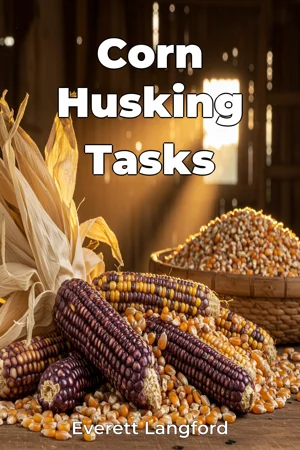
Have you ever considered the journey of corn from field to table, and the central role it played in shaping family traditions around harvest time? "Corn Husking Tasks" delves into the heart of corn preparation methods and their deep connection to family harvests, offering a comprehensive look at both the culinary and historical significance of this staple crop. This book explores three key themes: traditional corn preparation techniques, the evolution of these methods over time, and the profound influence of corn harvests on family and community structures. Understanding these topics is important because corn was not merely a food source but a centerpiece of social gatherings, economic stability, and cultural identity in many societies. We will journey back in time to explore the historical context of corn cultivation and consumption. From indigenous practices to colonial adaptations, we will trace the transformation of corn preparation methods. This historical backdrop is essential for understanding how corn became a fundamental part of numerous cultures and diets. No prior expertise is required; we present the information accessibly for all readers with an interest in food history and culinary traditions. The central argument of "Corn Husking Tasks" is that corn preparation was not simply a functional process but a vital social ritual that strengthened family bonds and preserved cultural heritage. By examining the evolution of these practices, we reveal how corn harvests shaped community identities and fostered intergenerational knowledge transfer. This argument matters because it sheds light on the often-overlooked cultural dimensions of food production and consumption, offering a nuanced perspective on the history of family life. The book is structured to provide a clear and engaging narrative. First, we introduce the basic techniques of corn preparation, such as husking, shelling, grinding, and nixtamalization. We describe the tools and methods used, providing detailed explanations and illustrations. Then, we examine how these techniques varied across different regions and cultures. We explore the historical development of these methods, from pre-industrial practices to modern adaptations. We investigate how corn preparation tasks were organized within families, highlighting the roles of different family members. Finally, we analyze the social and cultural significance of corn harvests, discussing festivals, celebrations, and other community events centered around corn. The evidence presented in this book is drawn from a wide range of sources, including historical documents, agricultural records, ethnographic studies, and culinary texts. We incorporate firsthand accounts from farmers, cooks, and community members, providing a rich and varied perspective. We also analyze archaeological evidence, examining artifacts and material culture related to corn production and consumption. "Corn Husking Tasks" intersects with several other fields of study. Agricultural history helps us understand the technological innovations that shaped corn cultivation and processing. Sociology provides insights into the social dynamics of family labor and community organization. Anthropology allows us to explore the cultural meanings and symbolic significance of corn in different societies. A unique aspect of this book is its focus on the intersection of culinary practices and family history. By examining how corn preparation tasks were passed down through generations, we offer a fresh perspective on the transmission of cultural knowledge and the formation of family identities. The tone of the book is informative and engaging, blending scholarly rigor with a conversational style. We aim to make the subject matter accessible to general readers while maintaining the highest standards of historical accuracy. "Corn Husking Tasks" is intended for a broad audience, including food enthusiasts, history buffs, culinary students, and anyone interested in the cultural dimensions of food. It is valuable for those seeking a deeper understanding of the historical roots of corn-based cuisine and the social impact of agricultural practices. As a work of non-fiction, "Corn Husking Tasks" adheres to the standards of scholarly research, providing accurate and well-documented information. While the book provides a comprehensive overview of corn preparation methods, it focuses primarily on North American traditions, acknowledging the vast range of practices worldwide. The information in this book has real-world applications for contemporary readers. By understanding the historical context of corn production, we can gain insights into sustainable farming practices and the importance of preserving traditional foodways. The book also offers practical tips for preparing corn at home, drawing on time-tested techniques. While the nutritional benefits of different corn preparation methods are generally accepted, debates continue regarding optimal cultivation practices and the impact of genetic modification. This book engages with these discussions, providing a balanced and informed perspective.
Have you ever considered the journey of corn from field to table, and the central role it played in shaping family traditions around harvest time? "Corn Husking Tasks" delves into the heart of corn preparation methods and their deep connection to family harvests, offering a comprehensive look at both the culinary and historical significance of this staple crop. This book explores three key themes: traditional corn preparation techniques, the evolution of these methods over time, and the profound influence of corn harvests on family and community structures. Understanding these topics is important because corn was not merely a food source but a centerpiece of social gatherings, economic stability, and cultural identity in many societies. We will journey back in time to explore the historical context of corn cultivation and consumption. From indigenous practices to colonial adaptations, we will trace the transformation of corn preparation methods. This historical backdrop is essential for understanding how corn became a fundamental part of numerous cultures and diets. No prior expertise is required; we present the information accessibly for all readers with an interest in food history and culinary traditions. The central argument of "Corn Husking Tasks" is that corn preparation was not simply a functional process but a vital social ritual that strengthened family bonds and preserved cultural heritage. By examining the evolution of these practices, we reveal how corn harvests shaped community identities and fostered intergenerational knowledge transfer. This argument matters because it sheds light on the often-overlooked cultural dimensions of food production and consumption, offering a nuanced perspective on the history of family life. The book is structured to provide a clear and engaging narrative. First, we introduce the basic techniques of corn preparation, such as husking, shelling, grinding, and nixtamalization. We describe the tools and methods used, providing detailed explanations and illustrations. Then, we examine how these techniques varied across different regions and cultures. We explore the historical development of these methods, from pre-industrial practices to modern adaptations. We investigate how corn preparation tasks were organized within families, highlighting the roles of different family members. Finally, we analyze the social and cultural significance of corn harvests, discussing festivals, celebrations, and other community events centered around corn. The evidence presented in this book is drawn from a wide range of sources, including historical documents, agricultural records, ethnographic studies, and culinary texts. We incorporate firsthand accounts from farmers, cooks, and community members, providing a rich and varied perspective. We also analyze archaeological evidence, examining artifacts and material culture related to corn production and consumption. "Corn Husking Tasks" intersects with several other fields of study. Agricultural history helps us understand the technological innovations that shaped corn cultivation and processing. Sociology provides insights into the social dynamics of family labor and community organization. Anthropology allows us to explore the cultural meanings and symbolic significance of corn in different societies. A unique aspect of this book is its focus on the intersection of culinary practices and family history. By examining how corn preparation tasks were passed down through generations, we offer a fresh perspective on the transmission of cultural knowledge and the formation of family identities. The tone of the book is informative and engaging, blending scholarly rigor with a conversational style. We aim to make the subject matter accessible to general readers while maintaining the highest standards of historical accuracy. "Corn Husking Tasks" is intended for a broad audience, including food enthusiasts, history buffs, culinary students, and anyone interested in the cultural dimensions of food. It is valuable for those seeking a deeper understanding of the historical roots of corn-based cuisine and the social impact of agricultural practices. As a work of non-fiction, "Corn Husking Tasks" adheres to the standards of scholarly research, providing accurate and well-documented information. While the book provides a comprehensive overview of corn preparation methods, it focuses primarily on North American traditions, acknowledging the vast range of practices worldwide. The information in this book has real-world applications for contemporary readers. By understanding the historical context of corn production, we can gain insights into sustainable farming practices and the importance of preserving traditional foodways. The book also offers practical tips for preparing corn at home, drawing on time-tested techniques. While the nutritional benefits of different corn preparation methods are generally accepted, debates continue regarding optimal cultivation practices and the impact of genetic modification. This book engages with these discussions, providing a balanced and informed perspective.
"Corn Husking Tasks" explores the rich history of corn preparation, revealing its deep connection to family harvest traditions and cultural heritage. The book examines how corn, beyond being a food source, served as a centerpiece for social gatherings, economic stability, and cultural identity. Traditional techniques like husking, shelling, and grinding are detailed, showcasing their evolution and regional variations from pre-industrial practices to modern adaptations. The book argues that corn preparation was more than just a functional task; it was a vital social ritual that strengthened family bonds and preserved cultural heritage. By drawing from historical documents, agricultural records, and ethnographic studies, the book highlights the roles of different family members in corn harvests and the significance of harvest festivals. It emphasizes North American traditions, offering insights into sustainable farming practices and the importance of preserving traditional foodways, making it valuable for food enthusiasts and history buffs alike.
Book Details
ISBN
9788235225740
Publisher
Publifye AS
Your Licenses
You don't own any licenses for this book
Purchase a license below to unlock this book and download the EPUB.
Purchase License
Select a tier to unlock this book
Need bulk licensing?
Contact us for enterprise agreements.