
About This Book
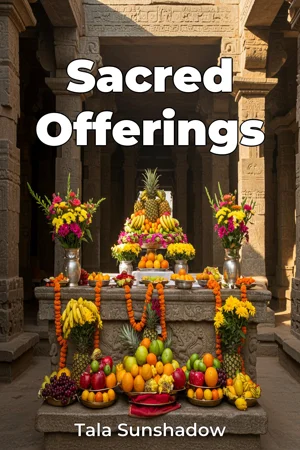
Why have humans, across diverse cultures and eras, engaged in the seemingly paradoxical acts of sacrifice and offering? "Sacred Offerings" delves into this fundamental question, examining the pervasive rituals of sacrifice and offerings in religious traditions across the globe. This book explores the purpose and spiritual significance behind these practices, revealing profound insights into the human relationship with the divine and the fabric of societal structures. The book focuses primarily on two key themes: the anthropological analysis of sacrificial practices and the theological interpretations of offerings within various faith traditions. Understanding these themes is vital because it unveils the symbolic language through which societies have historically negotiated their relationship with the supernatural, addressed existential anxieties, and maintained social order. Examining these rituals provides a lens into the core beliefs, values, and power dynamics that have shaped civilizations. "Sacred Offerings" draws upon historical accounts, archaeological findings, and religious texts to provide context. Readers will gain an understanding of the evolution of these practices from ancient animistic beliefs to more complex theistic systems. No prior knowledge of theology or anthropology is required; the book presents information in an accessible manner, defining key terms and concepts as they arise. The central argument of "Sacred Offerings" is that sacrifice and offering are not simply acts of appeasement, but rather complex symbolic systems that reflect and reinforce a society's worldview. These rituals serve as conduits for communication with the divine, expressions of gratitude, mechanisms for atonement, and affirmations of social hierarchies. This perspective challenges simplistic interpretations of sacrifice and offering as primitive or irrational behavior. The book is structured into three major sections. First, it introduces the core concepts of sacrifice and offering, exploring their definitions, typologies, and historical roots. Then, it examines specific case studies from various religious traditions, including ancient Mesopotamian, Egyptian, Greek, Roman, Jewish, Christian, Islamic, Hindu, and Buddhist practices. Each case study analyzes the specific forms of sacrifice and offering, their socio-political context, and their theological significance. Finally, the book synthesizes these findings to develop a comprehensive framework for understanding the role of sacrifice and offering in shaping religious beliefs and practices. The evidence presented draws from primary sources, such as religious texts and archaeological records, and secondary scholarship in anthropology, religious studies, and history. Comparative analysis is used extensively to highlight both the commonalities and differences across diverse traditions. "Sacred Offerings" connects to several other fields of study, including sociology (examining the social function of religious rituals), political science (analyzing the role of sacrifice in reinforcing political power), and psychology (exploring the psychological motivations behind sacrificial behavior). These interdisciplinary connections enrich the book's argument by providing a multifaceted perspective on the phenomenon of sacrifice and offering. This book offers a novel perspective by moving beyond traditional interpretations of sacrifice as solely a means of appeasing deities. It instead posits that these rituals are powerful symbolic acts with profound social, political, and psychological implications. Written in a clear and engaging style, "Sacred Offerings" is designed for a broad audience, including students of religion, history, and anthropology, as well as general readers interested in exploring the complexities of religious practices. It offers valuable insights for anyone seeking a deeper understanding of the human relationship with the sacred. As a work of non-fiction in the fields of religion and history, the book adheres to standards of academic rigor, grounding its analysis in verifiable evidence and scholarly sources while avoiding overly technical jargon. The scope of "Sacred Offerings" encompasses a wide range of religious traditions, but it does not delve into the intricacies of every single practice. The book focuses on providing a broad overview and analytical framework, rather than an exhaustive catalogue of sacrificial rituals. The insights presented in "Sacred Offerings" can be applied to understanding contemporary religious practices, analyzing the symbolism of modern rituals, and appreciating the diverse ways in which humans express their spiritual beliefs. The book also addresses contemporary debates surrounding interpretations of sacrifice, such as discussions about animal rights and the ethics of ritual slaughter. By providing a historical and anthropological context, "Sacred Offerings" contributes to a more nuanced understanding of these complex issues.
Why have humans, across diverse cultures and eras, engaged in the seemingly paradoxical acts of sacrifice and offering? "Sacred Offerings" delves into this fundamental question, examining the pervasive rituals of sacrifice and offerings in religious traditions across the globe. This book explores the purpose and spiritual significance behind these practices, revealing profound insights into the human relationship with the divine and the fabric of societal structures. The book focuses primarily on two key themes: the anthropological analysis of sacrificial practices and the theological interpretations of offerings within various faith traditions. Understanding these themes is vital because it unveils the symbolic language through which societies have historically negotiated their relationship with the supernatural, addressed existential anxieties, and maintained social order. Examining these rituals provides a lens into the core beliefs, values, and power dynamics that have shaped civilizations. "Sacred Offerings" draws upon historical accounts, archaeological findings, and religious texts to provide context. Readers will gain an understanding of the evolution of these practices from ancient animistic beliefs to more complex theistic systems. No prior knowledge of theology or anthropology is required; the book presents information in an accessible manner, defining key terms and concepts as they arise. The central argument of "Sacred Offerings" is that sacrifice and offering are not simply acts of appeasement, but rather complex symbolic systems that reflect and reinforce a society's worldview. These rituals serve as conduits for communication with the divine, expressions of gratitude, mechanisms for atonement, and affirmations of social hierarchies. This perspective challenges simplistic interpretations of sacrifice and offering as primitive or irrational behavior. The book is structured into three major sections. First, it introduces the core concepts of sacrifice and offering, exploring their definitions, typologies, and historical roots. Then, it examines specific case studies from various religious traditions, including ancient Mesopotamian, Egyptian, Greek, Roman, Jewish, Christian, Islamic, Hindu, and Buddhist practices. Each case study analyzes the specific forms of sacrifice and offering, their socio-political context, and their theological significance. Finally, the book synthesizes these findings to develop a comprehensive framework for understanding the role of sacrifice and offering in shaping religious beliefs and practices. The evidence presented draws from primary sources, such as religious texts and archaeological records, and secondary scholarship in anthropology, religious studies, and history. Comparative analysis is used extensively to highlight both the commonalities and differences across diverse traditions. "Sacred Offerings" connects to several other fields of study, including sociology (examining the social function of religious rituals), political science (analyzing the role of sacrifice in reinforcing political power), and psychology (exploring the psychological motivations behind sacrificial behavior). These interdisciplinary connections enrich the book's argument by providing a multifaceted perspective on the phenomenon of sacrifice and offering. This book offers a novel perspective by moving beyond traditional interpretations of sacrifice as solely a means of appeasing deities. It instead posits that these rituals are powerful symbolic acts with profound social, political, and psychological implications. Written in a clear and engaging style, "Sacred Offerings" is designed for a broad audience, including students of religion, history, and anthropology, as well as general readers interested in exploring the complexities of religious practices. It offers valuable insights for anyone seeking a deeper understanding of the human relationship with the sacred. As a work of non-fiction in the fields of religion and history, the book adheres to standards of academic rigor, grounding its analysis in verifiable evidence and scholarly sources while avoiding overly technical jargon. The scope of "Sacred Offerings" encompasses a wide range of religious traditions, but it does not delve into the intricacies of every single practice. The book focuses on providing a broad overview and analytical framework, rather than an exhaustive catalogue of sacrificial rituals. The insights presented in "Sacred Offerings" can be applied to understanding contemporary religious practices, analyzing the symbolism of modern rituals, and appreciating the diverse ways in which humans express their spiritual beliefs. The book also addresses contemporary debates surrounding interpretations of sacrifice, such as discussions about animal rights and the ethics of ritual slaughter. By providing a historical and anthropological context, "Sacred Offerings" contributes to a more nuanced understanding of these complex issues.
"Sacred Offerings" explores the pervasive rituals of sacrifice and offerings across global religious traditions, examining their purpose and spiritual significance. It delves into the anthropological analysis of sacrificial practices and the theological interpretations of offerings, revealing insights into humanity's relationship with the divine. Readers will discover how these rituals, far from being irrational, are complex symbolic systems reflecting a society's worldview and serving as communication conduits with the supernatural. The book draws upon historical accounts, archaeological findings, and religious texts to present an accessible understanding of these practices, from ancient animistic beliefs to complex theistic systems. Did you know that sacrifice and offering aren't just about appeasement, but also about expressing gratitude and affirming social hierarchies? Or that these rituals can be seen as a symbolic language through which societies have historically negotiated their relationship with the supernatural? This approach moves past simple interpretations to explore the social, political, and psychological implications of these acts. Structured in three sections, "Sacred Offerings" first introduces core concepts, then examines case studies from various traditions (Mesopotamian, Egyptian, and more), and finally synthesizes findings into a comprehensive framework. It offers a novel perspective, making it valuable for students of religion, history, anthropology, and general readers interested in the complexities of religious practice.
Book Details
ISBN
9788235225580
Publisher
Publifye AS
Your Licenses
You don't own any licenses for this book
Purchase a license below to unlock this book and download the EPUB.
Purchase License
Select a tier to unlock this book
Need bulk licensing?
Contact us for enterprise agreements.