
About This Book
Have you ever wondered how sound can shape your inner landscape and connect you to something greater than yourself? "Sacred Chants" explores the profound impact of spiritual hymns, mantras, and religious chants as pathways to divine energy and inner peace. This book delves into the history, practice, and significance of these sonic traditions, offering a comprehensive understanding of their role in various faiths and spiritual practices. Two key topics explored are the historical evolution of chanting across different religious traditions and the neurological and psychological effects of repetitive vocalizations. Understanding the historical context provides insight into the development of specific chants and their intended purposes. Examining the neurological aspects reveals how these practices can influence brain activity, promoting relaxation, focus, and altered states of consciousness. The history of religious chanting spans millennia, with roots in ancient rituals and oral traditions. From the Gregorian chants of Christianity to the Vedic mantras of Hinduism and the Sufi Zikrs of Islam, vocalizations have been integral to devotional practices. While the book doesn't assume prior in-depth knowledge of these traditions, an openness to exploring various spiritual perspectives is beneficial. The central argument of "Sacred Chants" posits that these vocal practices are active tools for spiritual transformation, not merely passive recitations. By understanding the mechanisms through which chants affect the mind, body, and spirit, readers can harness their potential for personal growth and connection with the divine. This argument challenges purely intellectual approaches to spirituality, emphasizing the experiential dimension of sound and vibration. The book unfolds in a structured manner. First, it introduces core concepts such as mantra, kirtan, and chant, defining their origins and usage across different cultures. Subsequent sections explore the physiological effects of chanting, drawing upon research in neuroscience and sound therapy, with dedicated chapters focusing on specific chanting traditions from around the world, providing detailed explanations of their associated rituals, beliefs, and practices. The book culminates with a discussion on the practical applications of chanting in daily life, including stress reduction, meditation, and community building. The arguments presented are supported by a range of evidence, including historical texts, ethnographic studies, and scientific research on the effects of sound on the brain and nervous system. Unique data sources include recordings of chants from various traditions, analyzed to identify patterns and structures that contribute to their unique effects. "Sacred Chants" connects to fields such as musicology, anthropology, and psychology. Musicology provides a framework for analyzing the structure and composition of chants; anthropology offers insights into their cultural context and social function; and psychology helps to understand their impact on mental states and emotional well-being. These interdisciplinary connections enrich the understanding of chanting as a multifaceted phenomenon. This book offers a unique approach by integrating scientific findings with spiritual perspectives. It does not promote any specific belief system but rather seeks to provide a neutral and comprehensive overview of chanting as a universal human practice. The tone is informative and accessible, blending academic rigor with a conversational style suitable for a broad audience. It avoids jargon and presents complex ideas in a clear and engaging manner. The target audience includes individuals interested in spirituality, meditation, music, and the intersection of science and religion. It will also appeal to practitioners of various faith traditions who seek a deeper understanding of their own chanting practices. As a work of non-fiction within the realms of religion and spirituality, this book aims to be informative, respectful, and evidence-based. It avoids proselytizing or promoting unsubstantiated claims. The scope of "Sacred Chants" is broad, encompassing a variety of chanting traditions from around the world. However, it does not delve into every single chanting practice in detail. The focus is on providing a representative overview and highlighting common themes and underlying principles. The information in this book can be applied practically to incorporate chanting into daily life for stress reduction, mindfulness, and spiritual growth. It also offers insights for educators, therapists, and community leaders who wish to use chanting as a tool for promoting well-being. While chanting is generally viewed as a positive practice, there are some debates surrounding its potential for misuse or misinterpretation. The book acknowledges these controversies and encourages readers to approach chanting with discernment and respect.
Have you ever wondered how sound can shape your inner landscape and connect you to something greater than yourself? "Sacred Chants" explores the profound impact of spiritual hymns, mantras, and religious chants as pathways to divine energy and inner peace. This book delves into the history, practice, and significance of these sonic traditions, offering a comprehensive understanding of their role in various faiths and spiritual practices. Two key topics explored are the historical evolution of chanting across different religious traditions and the neurological and psychological effects of repetitive vocalizations. Understanding the historical context provides insight into the development of specific chants and their intended purposes. Examining the neurological aspects reveals how these practices can influence brain activity, promoting relaxation, focus, and altered states of consciousness. The history of religious chanting spans millennia, with roots in ancient rituals and oral traditions. From the Gregorian chants of Christianity to the Vedic mantras of Hinduism and the Sufi Zikrs of Islam, vocalizations have been integral to devotional practices. While the book doesn't assume prior in-depth knowledge of these traditions, an openness to exploring various spiritual perspectives is beneficial. The central argument of "Sacred Chants" posits that these vocal practices are active tools for spiritual transformation, not merely passive recitations. By understanding the mechanisms through which chants affect the mind, body, and spirit, readers can harness their potential for personal growth and connection with the divine. This argument challenges purely intellectual approaches to spirituality, emphasizing the experiential dimension of sound and vibration. The book unfolds in a structured manner. First, it introduces core concepts such as mantra, kirtan, and chant, defining their origins and usage across different cultures. Subsequent sections explore the physiological effects of chanting, drawing upon research in neuroscience and sound therapy, with dedicated chapters focusing on specific chanting traditions from around the world, providing detailed explanations of their associated rituals, beliefs, and practices. The book culminates with a discussion on the practical applications of chanting in daily life, including stress reduction, meditation, and community building. The arguments presented are supported by a range of evidence, including historical texts, ethnographic studies, and scientific research on the effects of sound on the brain and nervous system. Unique data sources include recordings of chants from various traditions, analyzed to identify patterns and structures that contribute to their unique effects. "Sacred Chants" connects to fields such as musicology, anthropology, and psychology. Musicology provides a framework for analyzing the structure and composition of chants; anthropology offers insights into their cultural context and social function; and psychology helps to understand their impact on mental states and emotional well-being. These interdisciplinary connections enrich the understanding of chanting as a multifaceted phenomenon. This book offers a unique approach by integrating scientific findings with spiritual perspectives. It does not promote any specific belief system but rather seeks to provide a neutral and comprehensive overview of chanting as a universal human practice. The tone is informative and accessible, blending academic rigor with a conversational style suitable for a broad audience. It avoids jargon and presents complex ideas in a clear and engaging manner. The target audience includes individuals interested in spirituality, meditation, music, and the intersection of science and religion. It will also appeal to practitioners of various faith traditions who seek a deeper understanding of their own chanting practices. As a work of non-fiction within the realms of religion and spirituality, this book aims to be informative, respectful, and evidence-based. It avoids proselytizing or promoting unsubstantiated claims. The scope of "Sacred Chants" is broad, encompassing a variety of chanting traditions from around the world. However, it does not delve into every single chanting practice in detail. The focus is on providing a representative overview and highlighting common themes and underlying principles. The information in this book can be applied practically to incorporate chanting into daily life for stress reduction, mindfulness, and spiritual growth. It also offers insights for educators, therapists, and community leaders who wish to use chanting as a tool for promoting well-being. While chanting is generally viewed as a positive practice, there are some debates surrounding its potential for misuse or misinterpretation. The book acknowledges these controversies and encourages readers to approach chanting with discernment and respect.
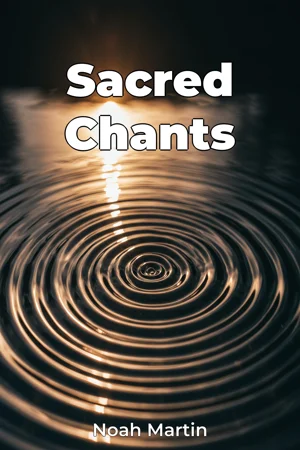
"Sacred Chants" explores the powerful role of chanting, spiritual hymns, and mantras across various religions as pathways to inner peace and connection to divine energy. It examines how these sonic traditions, from Gregorian chants to Vedic mantras, have been integral to devotional practices for millennia. The book delves into the historical evolution of chanting and the neurological and psychological impacts of repetitive vocalizations, revealing how these practices can influence brain activity and promote relaxation. The book argues that chanting is not just passive recitation, but an active tool for spiritual transformation. It integrates scientific findings with spiritual perspectives, offering a comprehensive overview of chanting as a universal human practice for meditation and mindfulness. "Sacred Chants" unfolds by first introducing core concepts, then exploring the physiological effects of chanting, followed by dedicated chapters on specific chanting traditions. It culminates with practical applications of chanting in daily life, such as stress reduction and community building, making it valuable for anyone interested in spirituality, religion, or the intersection of science and sound.
Book Details
ISBN
9788235225566
Publisher
Publifye AS
Your Licenses
You don't own any licenses for this book
Purchase a license below to unlock this book and download the EPUB.
Purchase License
Select a tier to unlock this book
Need bulk licensing?
Contact us for enterprise agreements.