
About This Book
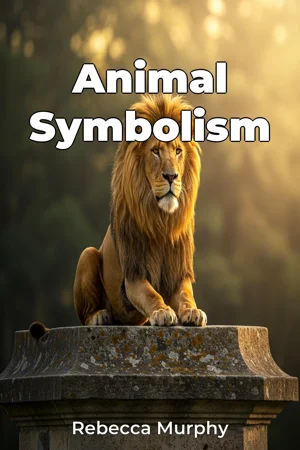
Why does a dove signify peace, and a lion, courage? This book, *Animal Symbolism*, delves into the pervasive and profound use of animals as symbols across cultures, religions, and literature throughout history. The core topics explored are the origins and evolution of animal symbolism, the diverse interpretations of specific animals in different cultural contexts, and the enduring power of these symbols in shaping human understanding of the world and our place within it. Understanding these multifaceted roles is vital because animal symbolism reflects the very fabric of human thought, belief, and artistic expression, influencing our ethics, aesthetics, and social structures. To fully appreciate the nuances of animal symbolism, we must consider its historical roots in ancient mythologies, religious doctrines, and early forms of artistic representation. This book provides the essential historical context, examining the symbolic roles assigned to animals by early civilizations and tracing how these roles have transformed over time. It assumes no prior knowledge of mythology or art history, providing necessary background information. At its heart, *Animal Symbolism* argues that the consistent use of animals as representational figures across disparate cultures points to a universal human need to understand complex concepts through tangible, relatable forms. These symbols have not remained static; instead, they have undergone significant transformations, reflecting changing social, political, and religious landscapes. The book is structured around three main sections. First, the introduction lays the groundwork by defining key terms, summarizing the history of animal symbolism, and outlining the major theoretical approaches to its study. The second section explores specific animals as symbols, examining the cultural significance of creatures such as the serpent, the bird, the feline, and the canine across different societies. Each chapter within this section will focus on a particular animal or group of animals, presenting evidence from religious texts, folklore, and artistic traditions. Finally, the concluding section synthesizes the findings, offering a comparative analysis of animal symbolism across cultures and discussing the implications of these symbols for contemporary society. Case studies examining the use of animal symbolism in modern advertising and political discourse will be included. The evidence presented is drawn from a wide range of sources, including religious scriptures, ancient texts, folklore collections, ethnographic studies, and art historical analyses. Unique iconographic databases and cross-cultural comparison methods are employed to discern patterns and variations in the symbolism of each animal. This book connects to several other fields, including anthropology (exploring cultural variations in symbolism), psychology (examining the archetypal significance of animals in the human psyche), and literary studies (analyzing the use of animal symbolism in storytelling). These interdisciplinary connections enrich the analysis and demonstrate the pervasive influence of animal symbolism across different domains of human knowledge. *Animal Symbolism* offers a unique perspective by considering both universal archetypes and culturally specific interpretations. It emphasizes the dynamic and evolving nature of these symbols and their continued relevance in the modern world. The writing style is accessible and engaging, aimed at both academic and general audiences interested in exploring the rich tapestry of human culture. The target audience includes students and scholars of religion, art history, literature, anthropology, and cultural studies, as well as anyone with a general interest in mythology, folklore, and the symbolism that shapes our perceptions of the world. Readers will find value in the book's comprehensive overview, insightful analysis, and engaging presentation of complex ideas. As a work of non-fiction in the genres of religion and art, the book adheres to scholarly standards of accuracy, objectivity, and rigorous research. It balances theoretical analysis with concrete examples and avoids speculative interpretations not supported by the evidence. While the book aims for broad coverage, it is necessarily limited in scope. It does not attempt to provide an exhaustive survey of every animal symbol in every culture but rather focuses on those that have played a significant role in shaping human thought and belief. The information presented can be applied practically to enhance appreciation of art, literature, and cultural traditions; to foster cross-cultural understanding; and to gain insights into the underlying values and beliefs that shape human behavior. Where applicable, the book addresses ongoing debates and controversies in the field, such as the extent to which animal symbols are universal versus culturally specific and the potential for misinterpretation when applying Western analytical frameworks to non-Western traditions.
Why does a dove signify peace, and a lion, courage? This book, *Animal Symbolism*, delves into the pervasive and profound use of animals as symbols across cultures, religions, and literature throughout history. The core topics explored are the origins and evolution of animal symbolism, the diverse interpretations of specific animals in different cultural contexts, and the enduring power of these symbols in shaping human understanding of the world and our place within it. Understanding these multifaceted roles is vital because animal symbolism reflects the very fabric of human thought, belief, and artistic expression, influencing our ethics, aesthetics, and social structures. To fully appreciate the nuances of animal symbolism, we must consider its historical roots in ancient mythologies, religious doctrines, and early forms of artistic representation. This book provides the essential historical context, examining the symbolic roles assigned to animals by early civilizations and tracing how these roles have transformed over time. It assumes no prior knowledge of mythology or art history, providing necessary background information. At its heart, *Animal Symbolism* argues that the consistent use of animals as representational figures across disparate cultures points to a universal human need to understand complex concepts through tangible, relatable forms. These symbols have not remained static; instead, they have undergone significant transformations, reflecting changing social, political, and religious landscapes. The book is structured around three main sections. First, the introduction lays the groundwork by defining key terms, summarizing the history of animal symbolism, and outlining the major theoretical approaches to its study. The second section explores specific animals as symbols, examining the cultural significance of creatures such as the serpent, the bird, the feline, and the canine across different societies. Each chapter within this section will focus on a particular animal or group of animals, presenting evidence from religious texts, folklore, and artistic traditions. Finally, the concluding section synthesizes the findings, offering a comparative analysis of animal symbolism across cultures and discussing the implications of these symbols for contemporary society. Case studies examining the use of animal symbolism in modern advertising and political discourse will be included. The evidence presented is drawn from a wide range of sources, including religious scriptures, ancient texts, folklore collections, ethnographic studies, and art historical analyses. Unique iconographic databases and cross-cultural comparison methods are employed to discern patterns and variations in the symbolism of each animal. This book connects to several other fields, including anthropology (exploring cultural variations in symbolism), psychology (examining the archetypal significance of animals in the human psyche), and literary studies (analyzing the use of animal symbolism in storytelling). These interdisciplinary connections enrich the analysis and demonstrate the pervasive influence of animal symbolism across different domains of human knowledge. *Animal Symbolism* offers a unique perspective by considering both universal archetypes and culturally specific interpretations. It emphasizes the dynamic and evolving nature of these symbols and their continued relevance in the modern world. The writing style is accessible and engaging, aimed at both academic and general audiences interested in exploring the rich tapestry of human culture. The target audience includes students and scholars of religion, art history, literature, anthropology, and cultural studies, as well as anyone with a general interest in mythology, folklore, and the symbolism that shapes our perceptions of the world. Readers will find value in the book's comprehensive overview, insightful analysis, and engaging presentation of complex ideas. As a work of non-fiction in the genres of religion and art, the book adheres to scholarly standards of accuracy, objectivity, and rigorous research. It balances theoretical analysis with concrete examples and avoids speculative interpretations not supported by the evidence. While the book aims for broad coverage, it is necessarily limited in scope. It does not attempt to provide an exhaustive survey of every animal symbol in every culture but rather focuses on those that have played a significant role in shaping human thought and belief. The information presented can be applied practically to enhance appreciation of art, literature, and cultural traditions; to foster cross-cultural understanding; and to gain insights into the underlying values and beliefs that shape human behavior. Where applicable, the book addresses ongoing debates and controversies in the field, such as the extent to which animal symbols are universal versus culturally specific and the potential for misinterpretation when applying Western analytical frameworks to non-Western traditions.
"Animal Symbolism" explores the widespread use of animals as symbols in art, religion, and culture. It investigates how these symbols originated, evolved, and continue to shape our understanding of the world. For example, the dove's association with peace and the lion's representation of courage are not arbitrary; they are rooted in historical and cultural contexts. The book reveals how understanding animal symbolism provides insights into human thought, belief, and artistic expression. The book examines specific animals, such as serpents, birds, felines, and canines, across diverse societies. It draws evidence from religious texts, folklore, and artistic traditions to highlight the cultural significance of these creatures. The approach emphasizes the interplay between universal archetypes and culturally specific interpretations. The book begins by defining key terms and outlining theoretical approaches, then delves into the symbolism of individual animals, and concludes with a comparative analysis, including case studies in modern contexts.
Book Details
ISBN
9788235225450
Publisher
Publifye AS
Your Licenses
You don't own any licenses for this book
Purchase a license below to unlock this book and download the EPUB.
Purchase License
Select a tier to unlock this book
Need bulk licensing?
Contact us for enterprise agreements.