
About This Book
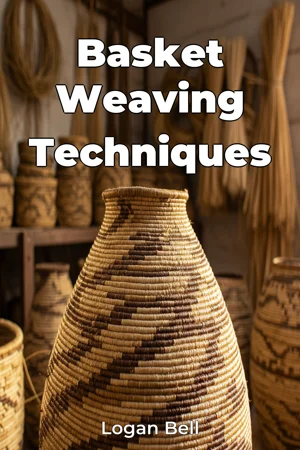
Have you ever considered the ingenuity embedded within a simple woven basket? "Basket Weaving Techniques" delves into the rich history and diverse methods of plant fiber container construction utilized across various societies throughout time. This book explores not only the practical skills involved in basketry but also the vital role these skills played in knowledge transmission and cultural preservation. The book addresses two key topics: the evolution of specific weaving techniques across different geographical regions and the cultural significance of basketry in these societies. Understanding these aspects is crucial because basketry represents a fundamental intersection of human ingenuity, resourcefulness, and artistic expression. This exploration is set against a backdrop of human migration, trade, and technological development. A basic understanding of plant anatomy and fiber properties is helpful but not essential, as these concepts are explained where relevant. The central argument of "Basket Weaving Techniques" is that the study of basketry provides a unique lens through which to understand the ingenuity, resilience, and adaptive capacity of human societies. The book demonstrates how basketry techniques reflect environmental constraints, available resources, and the specific needs and cultural values of different communities. The content is structured in a way that gradually builds the reader's understanding. First, the book introduces fundamental basketry concepts, materials, and techniques. It then dedicates chapters to exploring specific regional traditions, examining the distinctive styles and methods developed in areas such as North America, Africa, and Asia. Each regional exploration details the materials used, the tools employed, and the unique weaving patterns characteristic of that area. The book culminates in a discussion of the enduring relevance of basketry in contemporary society, highlighting its applications in art, environmental conservation, and cultural heritage preservation. Evidence presented in the book draws from archaeological findings, ethnographic studies, historical texts, and analyses of existing basketry artifacts. Unique data sources include detailed photographs and illustrations of various basketry techniques, as well as interviews with contemporary basket makers who are actively preserving and innovating within their respective traditions. The book's scope extends to the fields of anthropology, archaeology, and material culture studies. By examining basketry through these lenses, the book offers insights into social structures, economic systems, and belief systems of the communities that produced these containers. Such connections enhance the reader's understanding of basketry as more than a mere craft; it's a tangible expression of a culture's identity. "Basket Weaving Techniques" distinguishes itself by taking a holistic approach, combining technical instruction with cultural context. The tone is informative yet accessible, aimed at engaging both novice and experienced basketry enthusiasts. The target audience includes craft hobbyists interested in learning new skills, students of anthropology and archaeology seeking insights into material culture, and individuals interested in exploring the history of technology and design. The book is valuable to this audience because it provides a comprehensive resource for understanding basketry as both a practical skill and a form of cultural expression. As a work of non-fiction, "Basket Weaving Techniques" adheres to the genre's expectations of accuracy, objectivity, and well-researched content. While the book strives for comprehensive coverage, it acknowledges the vast scope of basketry traditions worldwide and focuses on providing representative examples from diverse regions. The information in "Basket Weaving Techniques" can be applied practically by readers who wish to learn basket weaving, design and create their own pieces, or gain a deeper appreciation for the cultural significance of handcrafted objects. While debates exist regarding the interpretation of certain archaeological finds and the origins of specific weaving techniques, the book presents a balanced overview of these discussions, encouraging readers to consider multiple perspectives.
Have you ever considered the ingenuity embedded within a simple woven basket? "Basket Weaving Techniques" delves into the rich history and diverse methods of plant fiber container construction utilized across various societies throughout time. This book explores not only the practical skills involved in basketry but also the vital role these skills played in knowledge transmission and cultural preservation. The book addresses two key topics: the evolution of specific weaving techniques across different geographical regions and the cultural significance of basketry in these societies. Understanding these aspects is crucial because basketry represents a fundamental intersection of human ingenuity, resourcefulness, and artistic expression. This exploration is set against a backdrop of human migration, trade, and technological development. A basic understanding of plant anatomy and fiber properties is helpful but not essential, as these concepts are explained where relevant. The central argument of "Basket Weaving Techniques" is that the study of basketry provides a unique lens through which to understand the ingenuity, resilience, and adaptive capacity of human societies. The book demonstrates how basketry techniques reflect environmental constraints, available resources, and the specific needs and cultural values of different communities. The content is structured in a way that gradually builds the reader's understanding. First, the book introduces fundamental basketry concepts, materials, and techniques. It then dedicates chapters to exploring specific regional traditions, examining the distinctive styles and methods developed in areas such as North America, Africa, and Asia. Each regional exploration details the materials used, the tools employed, and the unique weaving patterns characteristic of that area. The book culminates in a discussion of the enduring relevance of basketry in contemporary society, highlighting its applications in art, environmental conservation, and cultural heritage preservation. Evidence presented in the book draws from archaeological findings, ethnographic studies, historical texts, and analyses of existing basketry artifacts. Unique data sources include detailed photographs and illustrations of various basketry techniques, as well as interviews with contemporary basket makers who are actively preserving and innovating within their respective traditions. The book's scope extends to the fields of anthropology, archaeology, and material culture studies. By examining basketry through these lenses, the book offers insights into social structures, economic systems, and belief systems of the communities that produced these containers. Such connections enhance the reader's understanding of basketry as more than a mere craft; it's a tangible expression of a culture's identity. "Basket Weaving Techniques" distinguishes itself by taking a holistic approach, combining technical instruction with cultural context. The tone is informative yet accessible, aimed at engaging both novice and experienced basketry enthusiasts. The target audience includes craft hobbyists interested in learning new skills, students of anthropology and archaeology seeking insights into material culture, and individuals interested in exploring the history of technology and design. The book is valuable to this audience because it provides a comprehensive resource for understanding basketry as both a practical skill and a form of cultural expression. As a work of non-fiction, "Basket Weaving Techniques" adheres to the genre's expectations of accuracy, objectivity, and well-researched content. While the book strives for comprehensive coverage, it acknowledges the vast scope of basketry traditions worldwide and focuses on providing representative examples from diverse regions. The information in "Basket Weaving Techniques" can be applied practically by readers who wish to learn basket weaving, design and create their own pieces, or gain a deeper appreciation for the cultural significance of handcrafted objects. While debates exist regarding the interpretation of certain archaeological finds and the origins of specific weaving techniques, the book presents a balanced overview of these discussions, encouraging readers to consider multiple perspectives.
"Basket Weaving Techniques" explores the history and techniques of basketry, revealing its cultural significance across societies. Delving into plant fiber container construction, the book highlights how basketry serves as a tangible expression of human ingenuity and cultural identity. Discover how weaving patterns reflect environmental constraints and cultural values, demonstrating a direct link between a community's needs and their craft. The book examines specific regional traditions, such as those in North America, Africa, and Asia, detailing unique styles and methods. It also acknowledges basketry's enduring relevance in contemporary society through art, environmental conservation, and cultural heritage preservation. By combining technical instruction with cultural context, the book offers a comprehensive look at basketry as both a practical skill and a vital aspect of material culture. The content is structured to build understanding progressively, from fundamental concepts to regional traditions, concluding with basketry's present-day applications. Archaeological findings, ethnographic studies, and historical texts are used to support the book's insights, making it a valuable resource for craft hobbyists and anyone interested in history, anthropology, or archaeology.
Book Details
ISBN
9788235225382
Publisher
Publifye AS
Your Licenses
You don't own any licenses for this book
Purchase a license below to unlock this book and download the EPUB.
Purchase License
Select a tier to unlock this book
Need bulk licensing?
Contact us for enterprise agreements.