
About This Book
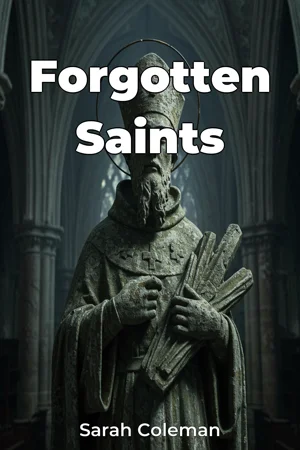
Have you ever considered the multitude of saints whose stories, once vibrant and influential, have faded from popular religious memory? This book, "Forgotten Saints," delves into the lives and legacies of these lesser-known figures, exploring their profound impact on religious traditions, literature, and cultural history. It examines why certain saints achieved widespread veneration while others, despite their significant contributions, receded into relative obscurity. The central topics addressed are the historical circumstances surrounding the lives and veneration of these forgotten saints, the literary and artistic representations of their stories, and the cultural forces that shaped their rise and subsequent decline in popularity. These topics are crucial because they shed light on the complex dynamics of religious belief, the evolution of cultural values, and the often-unpredictable nature of historical memory. Understanding why some saints are remembered and others forgotten allows a deeper appreciation of the multifaceted ways in which religion and culture interact. To fully appreciate the narratives presented, some familiarity with basic Christian history and hagiography is helpful, though not essential. "Forgotten Saints" provides sufficient historical context for each saint discussed, including the period in which they lived, the theological currents of their time, and the political landscape that influenced their actions and reputations. The book argues that the fluctuating fortunes of a saint's legacy reflect broader shifts in societal values, theological emphasis, and cultural priorities. A saint's relevance diminishes as the virtues they embody, or the specific needs they address, become less pressing for successive generations. This argument challenges the notion of a static, unchanging religious tradition and instead highlights its dynamic, responsive nature. "Forgotten Saints" unfolds by first introducing the concept of sainthood and the criteria traditionally used for canonization. It then presents detailed biographical accounts of several overlooked saints, drawn from various periods and geographical locations. Each chapter focuses on a specific saint, examining their life, miracles, writings (if any), and the historical context of their veneration. These accounts explore the reasons for their initial popularity, the factors that contributed to their subsequent neglect, and the traces of their influence that can still be found in religious practices, folklore, and artistic representations. The argument culminates in an analysis of the broader patterns and trends that emerge from these individual stories, offering a framework for understanding the dynamics of religious memory and cultural change. Finally, the book considers what these forgotten figures can teach us about contemporary religious life and the importance of preserving diverse voices within religious traditions. The evidence presented in "Forgotten Saints" draws from a wide range of primary and secondary sources, including hagiographies, theological treatises, historical chronicles, archaeological findings, and artistic representations. Unique data sources include previously untranslated or understudied hagiographical texts, local folklore traditions, and analyses of artistic depictions of these saints in lesser-known churches and monasteries. The book connects to several other fields of study, including history, literature, art history, and sociology of religion. The historical analysis provides insights into the social and political conditions that shaped the lives of these saints. The literary analysis examines how their stories were constructed and transmitted through various textual forms. The art historical analysis explores the visual representations of these saints and their symbolic significance. The sociological analysis investigates the dynamics of religious belief and the social functions of sainthood. These interdisciplinary connections enrich the book's argument by providing multiple perspectives on the phenomenon of forgotten saints. "Forgotten Saints" offers a novel perspective by focusing on figures who have been marginalized or overlooked in traditional hagiographies. It challenges the dominant narrative of sainthood by demonstrating the diversity of experiences and expressions of holiness within religious traditions. It also employs a unique methodology that combines historical analysis, literary criticism, and sociological inquiry to provide a comprehensive understanding of the factors that contribute to a saint's rise and fall from popular memory. The tone of the book is scholarly yet accessible, aiming to engage both academic and general readers. The writing style is clear, concise, and engaging, making complex historical and theological concepts understandable to a broad audience. The target audience includes students and scholars of religious studies, history, literature, and art history, as well as general readers interested in learning more about the lives of saints and the history of religious traditions. The book would be valuable to them because it offers a fresh perspective on a familiar topic, challenges traditional assumptions about sainthood, and provides insights into the complex dynamics of religious belief and cultural change. As a work of non-fiction in the genres of Religion and History, "Forgotten Saints" adheres to the conventions of academic scholarship, including thorough research, accurate citations, and objective analysis. It will also incorporate elements of narrative non-fiction to make the stories of these forgotten saints more engaging and accessible to a wider audience. The scope of the book is limited to a selection of saints from various periods and geographical locations, chosen to illustrate the broader themes and arguments. It does not attempt to provide a comprehensive history of all forgotten saints, but rather to offer a representative sample of their stories and a framework for understanding their significance. The information in "Forgotten Saints" can be applied practically by readers seeking to deepen their understanding of religious traditions, to appreciate the diversity of human experience, and to reflect on the values and beliefs that have shaped our world. It can also inspire readers to seek out and preserve the stories of other forgotten figures, both religious and secular, who have contributed to our cultural heritage. While the veneration of saints is often seen as a source of unity and inspiration, it can also be a source of controversy and division. Some critics argue that the focus on individual saints detracts from the central message of the Gospels, while others question the historical accuracy of hagiographical accounts. "Forgotten Saints" addresses these controversies by acknowledging the complexities of the saint-making process and by emphasizing the importance of critical analysis and historical context.
Have you ever considered the multitude of saints whose stories, once vibrant and influential, have faded from popular religious memory? This book, "Forgotten Saints," delves into the lives and legacies of these lesser-known figures, exploring their profound impact on religious traditions, literature, and cultural history. It examines why certain saints achieved widespread veneration while others, despite their significant contributions, receded into relative obscurity. The central topics addressed are the historical circumstances surrounding the lives and veneration of these forgotten saints, the literary and artistic representations of their stories, and the cultural forces that shaped their rise and subsequent decline in popularity. These topics are crucial because they shed light on the complex dynamics of religious belief, the evolution of cultural values, and the often-unpredictable nature of historical memory. Understanding why some saints are remembered and others forgotten allows a deeper appreciation of the multifaceted ways in which religion and culture interact. To fully appreciate the narratives presented, some familiarity with basic Christian history and hagiography is helpful, though not essential. "Forgotten Saints" provides sufficient historical context for each saint discussed, including the period in which they lived, the theological currents of their time, and the political landscape that influenced their actions and reputations. The book argues that the fluctuating fortunes of a saint's legacy reflect broader shifts in societal values, theological emphasis, and cultural priorities. A saint's relevance diminishes as the virtues they embody, or the specific needs they address, become less pressing for successive generations. This argument challenges the notion of a static, unchanging religious tradition and instead highlights its dynamic, responsive nature. "Forgotten Saints" unfolds by first introducing the concept of sainthood and the criteria traditionally used for canonization. It then presents detailed biographical accounts of several overlooked saints, drawn from various periods and geographical locations. Each chapter focuses on a specific saint, examining their life, miracles, writings (if any), and the historical context of their veneration. These accounts explore the reasons for their initial popularity, the factors that contributed to their subsequent neglect, and the traces of their influence that can still be found in religious practices, folklore, and artistic representations. The argument culminates in an analysis of the broader patterns and trends that emerge from these individual stories, offering a framework for understanding the dynamics of religious memory and cultural change. Finally, the book considers what these forgotten figures can teach us about contemporary religious life and the importance of preserving diverse voices within religious traditions. The evidence presented in "Forgotten Saints" draws from a wide range of primary and secondary sources, including hagiographies, theological treatises, historical chronicles, archaeological findings, and artistic representations. Unique data sources include previously untranslated or understudied hagiographical texts, local folklore traditions, and analyses of artistic depictions of these saints in lesser-known churches and monasteries. The book connects to several other fields of study, including history, literature, art history, and sociology of religion. The historical analysis provides insights into the social and political conditions that shaped the lives of these saints. The literary analysis examines how their stories were constructed and transmitted through various textual forms. The art historical analysis explores the visual representations of these saints and their symbolic significance. The sociological analysis investigates the dynamics of religious belief and the social functions of sainthood. These interdisciplinary connections enrich the book's argument by providing multiple perspectives on the phenomenon of forgotten saints. "Forgotten Saints" offers a novel perspective by focusing on figures who have been marginalized or overlooked in traditional hagiographies. It challenges the dominant narrative of sainthood by demonstrating the diversity of experiences and expressions of holiness within religious traditions. It also employs a unique methodology that combines historical analysis, literary criticism, and sociological inquiry to provide a comprehensive understanding of the factors that contribute to a saint's rise and fall from popular memory. The tone of the book is scholarly yet accessible, aiming to engage both academic and general readers. The writing style is clear, concise, and engaging, making complex historical and theological concepts understandable to a broad audience. The target audience includes students and scholars of religious studies, history, literature, and art history, as well as general readers interested in learning more about the lives of saints and the history of religious traditions. The book would be valuable to them because it offers a fresh perspective on a familiar topic, challenges traditional assumptions about sainthood, and provides insights into the complex dynamics of religious belief and cultural change. As a work of non-fiction in the genres of Religion and History, "Forgotten Saints" adheres to the conventions of academic scholarship, including thorough research, accurate citations, and objective analysis. It will also incorporate elements of narrative non-fiction to make the stories of these forgotten saints more engaging and accessible to a wider audience. The scope of the book is limited to a selection of saints from various periods and geographical locations, chosen to illustrate the broader themes and arguments. It does not attempt to provide a comprehensive history of all forgotten saints, but rather to offer a representative sample of their stories and a framework for understanding their significance. The information in "Forgotten Saints" can be applied practically by readers seeking to deepen their understanding of religious traditions, to appreciate the diversity of human experience, and to reflect on the values and beliefs that have shaped our world. It can also inspire readers to seek out and preserve the stories of other forgotten figures, both religious and secular, who have contributed to our cultural heritage. While the veneration of saints is often seen as a source of unity and inspiration, it can also be a source of controversy and division. Some critics argue that the focus on individual saints detracts from the central message of the Gospels, while others question the historical accuracy of hagiographical accounts. "Forgotten Saints" addresses these controversies by acknowledging the complexities of the saint-making process and by emphasizing the importance of critical analysis and historical context.
"Forgotten Saints" explores the fascinating stories of saints whose influence has waned over time, examining why some figures achieve lasting veneration while others fade into obscurity. Delving into religious history and cultural history, the book uncovers how societal values and theological shifts impact a saint's legacy. For example, a saint embodying virtues less relevant to modern society might experience a decline in popularity. The book argues that the fluctuating fortunes of these saints reflect the dynamic, responsive nature of religious traditions. The book embarks by introducing the concept of sainthood and the traditional canonization criteria. Then "Forgotten Saints" presents detailed biographical accounts of several overlooked saints from different periods and regions, analyzing their lives, miracles, and the historical context of their veneration. Each chapter focuses on a specific saint, examining the reasons for their initial popularity, the factors contributing to their subsequent neglect, and their traces in religious practices and folklore. This approach offers a novel perspective on religious memory and cultural change, revealing the diverse expressions of holiness within religious traditions.
Book Details
ISBN
9788235225368
Publisher
Publifye AS
Your Licenses
You don't own any licenses for this book
Purchase a license below to unlock this book and download the EPUB.
Purchase License
Select a tier to unlock this book
Need bulk licensing?
Contact us for enterprise agreements.