
About This Book
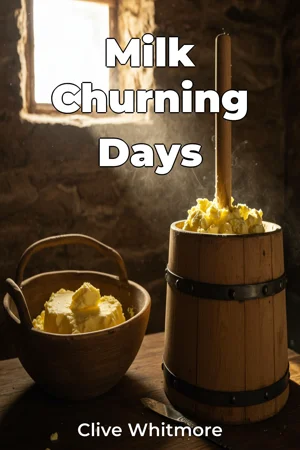
Did you ever wonder how your ancestors transformed simple milk into the staples of butter and cheese, cornerstones of their daily sustenance? "Milk Churning Days" delves into the heart of pastoral family life, revealing the intricate processes and profound significance of butter and cheese making within these communities. This book examines not just the "how" of these culinary traditions, but also the "why," exploring their impact on family structure, social dynamics, and economic stability. Two primary topics drive our exploration: the practical techniques of butter and cheese production, and the embedded role of these activities within the cultural and historical context of pastoral societies. Understanding these topics is essential for anyone seeking to appreciate the resourcefulness and resilience of past generations, and to gain insight into the origins of food traditions that continue to shape our modern palate. To fully grasp the importance of butter and cheese making, it's necessary understand the rhythms of pastoral life. The book provides a historical overview of pastoralism, detailing the seasonal migrations, the importance of livestock, and the division of labor within families. This context illuminates how butter and cheese production wasn't just a means of preserving milk, but a vital strategy for survival in environments lacking advanced food preservation technologies. The central argument of "Milk Churning Days" is that butter and cheese making were far more than merely food processing techniques; they were central, defining activities that shaped the social fabric and economic viability of pastoral families. By understanding the processes and impacts, we gain a deeper appreciation for the ingenuity and cultural richness inherent in these often-overlooked aspects of history. The book unfolds in a structured sequence. First, an introduction to pastoral societies and the significance of milk as a resource. Second, a detailed examination of butter making, covering the tools, techniques, and the social aspects surrounding churning, from the roles of women and children to the folklore and beliefs associated with successful butter production. Third, the focus shifts to cheese making, addressing the diverse methods employed, the types of cheeses produced, and the ways cheese was stored and used. The conclusion synthesizes these elements, demonstrating how butter and cheese production created resilient family units and established trade networks. Practical applications of the knowledge are woven throughout the book, including potential insights for modern sustainable food practices. The evidence presented comes from a variety of sources, including historical diaries, agricultural manuals, and ethnographic studies of surviving pastoral communities. We also draw on archaeological evidence, such as the remnants of cheese-making equipment and butter churns, to reconstruct past practices. "Milk Churning Days" connects to several related fields. Firstly, to anthropology, through the study of cultural practices and social structures. Secondly, to nutrition, by considering the nutritional value of butter and cheese within the diets of pastoral populations. Thirdly, to economics, by examining the role of dairy products in trade and local economies. The book's unique perspective lies in its holistic approach, integrating the practical aspects of food production with the social, cultural, and economic dimensions of pastoral life. It moves beyond a simple "how-to" manual, offering a nuanced understanding of the profound ways butter and cheese making shaped the lives of those who depended upon it. The writing style aims to be informative and accessible, blending historical detail with engaging narrative. Everyday language is favored over technical jargon, making the content understandable. The target audience includes readers interested in food history, cultural anthropology, and sustainable living. It will also appeal to those with a general interest in how people lived and worked in the past, and how these traditions have shaped our present. As a work of non-fiction, "Milk Churning Days" strives for accuracy and objectivity, presenting factual information supported by credible sources. It avoids speculation and focuses on providing a well-researched and balanced account of butter and cheese making in pastoral family routines. While the book aims to provide a comprehensive overview, it primarily focuses on European pastoral traditions. It acknowledges that dairy practices vary widely across different cultures and geographical regions, and invites further research into these diverse traditions. The knowledge contained within "Milk Churning Days" has real-world applications for those interested in traditional foodways, homesteading, and sustainable agriculture. It provides valuable insights into the resourcefulness of past generations and offers inspiration for developing more resilient and community-based food systems today. "Milk Churning Days" addresses some of the ongoing debates surrounding the health impacts of dairy consumption, presenting a balanced perspective that considers both the nutritional benefits and potential risks. It encourages readers to critically evaluate the information available and make informed choices about their own diets.
Did you ever wonder how your ancestors transformed simple milk into the staples of butter and cheese, cornerstones of their daily sustenance? "Milk Churning Days" delves into the heart of pastoral family life, revealing the intricate processes and profound significance of butter and cheese making within these communities. This book examines not just the "how" of these culinary traditions, but also the "why," exploring their impact on family structure, social dynamics, and economic stability. Two primary topics drive our exploration: the practical techniques of butter and cheese production, and the embedded role of these activities within the cultural and historical context of pastoral societies. Understanding these topics is essential for anyone seeking to appreciate the resourcefulness and resilience of past generations, and to gain insight into the origins of food traditions that continue to shape our modern palate. To fully grasp the importance of butter and cheese making, it's necessary understand the rhythms of pastoral life. The book provides a historical overview of pastoralism, detailing the seasonal migrations, the importance of livestock, and the division of labor within families. This context illuminates how butter and cheese production wasn't just a means of preserving milk, but a vital strategy for survival in environments lacking advanced food preservation technologies. The central argument of "Milk Churning Days" is that butter and cheese making were far more than merely food processing techniques; they were central, defining activities that shaped the social fabric and economic viability of pastoral families. By understanding the processes and impacts, we gain a deeper appreciation for the ingenuity and cultural richness inherent in these often-overlooked aspects of history. The book unfolds in a structured sequence. First, an introduction to pastoral societies and the significance of milk as a resource. Second, a detailed examination of butter making, covering the tools, techniques, and the social aspects surrounding churning, from the roles of women and children to the folklore and beliefs associated with successful butter production. Third, the focus shifts to cheese making, addressing the diverse methods employed, the types of cheeses produced, and the ways cheese was stored and used. The conclusion synthesizes these elements, demonstrating how butter and cheese production created resilient family units and established trade networks. Practical applications of the knowledge are woven throughout the book, including potential insights for modern sustainable food practices. The evidence presented comes from a variety of sources, including historical diaries, agricultural manuals, and ethnographic studies of surviving pastoral communities. We also draw on archaeological evidence, such as the remnants of cheese-making equipment and butter churns, to reconstruct past practices. "Milk Churning Days" connects to several related fields. Firstly, to anthropology, through the study of cultural practices and social structures. Secondly, to nutrition, by considering the nutritional value of butter and cheese within the diets of pastoral populations. Thirdly, to economics, by examining the role of dairy products in trade and local economies. The book's unique perspective lies in its holistic approach, integrating the practical aspects of food production with the social, cultural, and economic dimensions of pastoral life. It moves beyond a simple "how-to" manual, offering a nuanced understanding of the profound ways butter and cheese making shaped the lives of those who depended upon it. The writing style aims to be informative and accessible, blending historical detail with engaging narrative. Everyday language is favored over technical jargon, making the content understandable. The target audience includes readers interested in food history, cultural anthropology, and sustainable living. It will also appeal to those with a general interest in how people lived and worked in the past, and how these traditions have shaped our present. As a work of non-fiction, "Milk Churning Days" strives for accuracy and objectivity, presenting factual information supported by credible sources. It avoids speculation and focuses on providing a well-researched and balanced account of butter and cheese making in pastoral family routines. While the book aims to provide a comprehensive overview, it primarily focuses on European pastoral traditions. It acknowledges that dairy practices vary widely across different cultures and geographical regions, and invites further research into these diverse traditions. The knowledge contained within "Milk Churning Days" has real-world applications for those interested in traditional foodways, homesteading, and sustainable agriculture. It provides valuable insights into the resourcefulness of past generations and offers inspiration for developing more resilient and community-based food systems today. "Milk Churning Days" addresses some of the ongoing debates surrounding the health impacts of dairy consumption, presenting a balanced perspective that considers both the nutritional benefits and potential risks. It encourages readers to critically evaluate the information available and make informed choices about their own diets.
"Milk Churning Days" explores the vital role of butter and cheese making in pastoral societies, highlighting how these practices extended far beyond mere food preservation. The book delves into the techniques of transforming milk into essential staples while also revealing their profound impact on family structure, social dynamics, and economic stability. These dairy traditions were not just about sustenance; they were central to the survival and cultural identity of pastoral communities. The book progresses from an introduction to pastoral life and the significance of milk, to detailed explorations of butter and cheese making. It examines the tools, techniques, and social rituals surrounding these activities, from the roles of women and children to the folklore associated with successful production. What sets this book apart is its integration of practical food production methods with the broader social, cultural, and economic dimensions of pastoral living, providing a holistic understanding of these often-overlooked aspects of history.
Book Details
ISBN
9788235225283
Publisher
Publifye AS
Your Licenses
You don't own any licenses for this book
Purchase a license below to unlock this book and download the EPUB.
Purchase License
Select a tier to unlock this book
Need bulk licensing?
Contact us for enterprise agreements.