
About This Book
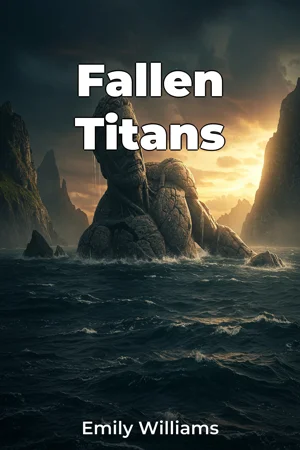
Were the titans of ancient myth simply vanquished foes, or do their stories hold a deeper significance in understanding the formation of cosmic order and the evolution of religious thought? "Fallen Titans" delves into the myths surrounding these powerful beings, their epic battles, and their enduring impact on shaping cosmological narratives across diverse cultures. This book explores the multifaceted roles of titans, not just as figures of opposition, but as integral architects of the universe, whose downfall often paved the way for new pantheons and belief systems. This exploration is crucial because the titanomachy, or war against the titans, represents a foundational myth in many traditions. Understanding the motivations, attributes, and ultimate fates of these figures provides valuable insight into ancient cosmologies, moral frameworks, and the anxieties surrounding power and succession that permeated early societies. Furthermore, examining the titans' influence allows us to trace the development of religious ideas from primordial chaos to structured order. "Fallen Titans" argues that the titan myths are not simply stories of defeat, but symbolic representations of fundamental shifts in cosmic power and the establishment of new moral orders. Their struggles reveal profound insights into humanity's evolving understanding of the universe, the nature of divinity, and the relationship between gods and mortals. The book is structured in three parts. The first part introduces the concept of titans across different mythologies, examining their roles in creation myths and their characteristics as primordial beings. We analyze their attributes. The second part focuses on the battles between titans and subsequent generations of gods, dissecting the symbolic meaning of these conflicts and their impact on cosmic geography. This section covers the rise of new divine orders and the establishment of moral codes often linked to these victories. The third part explores the lasting legacy of the titans, analyzing their presence in later religious and philosophical traditions. Our research draws upon a wide range of primary sources, including ancient texts, archaeological findings, and comparative mythological studies. We analyze original texts in translation, considering the cultural contexts in which these myths arose and evolved. This book connects to several interdisciplinary fields, including comparative mythology, religious studies, and ancient history. By examining the titans through these lenses, we gain a richer understanding of their significance within broader cultural and historical contexts. "Fallen Titans" provides a comprehensive, comparative analysis of titan myths, offering a fresh perspective on these often-misunderstood figures. It is written in an accessible style, suitable for both academic researchers and general readers interested in mythology, religion, and ancient history. The target audience includes students and scholars of mythology, religious studies, and classics, as well as general readers interested in ancient history and comparative religion. This book will appeal to those seeking a deeper understanding of the role of titans in shaping ancient cosmologies and religious beliefs. As a work of non-fiction, "Fallen Titans" adheres to the principles of scholarly rigor, providing evidence-based analysis and clear citations to support its arguments. While the book covers a broad range of mythologies, it focuses primarily on those with well-documented titan figures, such as Greek, Norse, and Near Eastern traditions. The information presented in "Fallen Titans" can be applied practically by readers seeking to understand the historical and cultural contexts of ancient myths, or by those interested in the evolution of religious ideas and symbolic archetypes. While many interpretations of titan myths focus on the victory of Olympian gods as a triumph of order over chaos, "Fallen Titans" acknowledges ongoing debates about the nature of this order and whether the titans truly represented chaos or a different form of cosmic governance. By exploring these controversies, the book offers a nuanced perspective on the complex legacy of these ancient figures.
Were the titans of ancient myth simply vanquished foes, or do their stories hold a deeper significance in understanding the formation of cosmic order and the evolution of religious thought? "Fallen Titans" delves into the myths surrounding these powerful beings, their epic battles, and their enduring impact on shaping cosmological narratives across diverse cultures. This book explores the multifaceted roles of titans, not just as figures of opposition, but as integral architects of the universe, whose downfall often paved the way for new pantheons and belief systems. This exploration is crucial because the titanomachy, or war against the titans, represents a foundational myth in many traditions. Understanding the motivations, attributes, and ultimate fates of these figures provides valuable insight into ancient cosmologies, moral frameworks, and the anxieties surrounding power and succession that permeated early societies. Furthermore, examining the titans' influence allows us to trace the development of religious ideas from primordial chaos to structured order. "Fallen Titans" argues that the titan myths are not simply stories of defeat, but symbolic representations of fundamental shifts in cosmic power and the establishment of new moral orders. Their struggles reveal profound insights into humanity's evolving understanding of the universe, the nature of divinity, and the relationship between gods and mortals. The book is structured in three parts. The first part introduces the concept of titans across different mythologies, examining their roles in creation myths and their characteristics as primordial beings. We analyze their attributes. The second part focuses on the battles between titans and subsequent generations of gods, dissecting the symbolic meaning of these conflicts and their impact on cosmic geography. This section covers the rise of new divine orders and the establishment of moral codes often linked to these victories. The third part explores the lasting legacy of the titans, analyzing their presence in later religious and philosophical traditions. Our research draws upon a wide range of primary sources, including ancient texts, archaeological findings, and comparative mythological studies. We analyze original texts in translation, considering the cultural contexts in which these myths arose and evolved. This book connects to several interdisciplinary fields, including comparative mythology, religious studies, and ancient history. By examining the titans through these lenses, we gain a richer understanding of their significance within broader cultural and historical contexts. "Fallen Titans" provides a comprehensive, comparative analysis of titan myths, offering a fresh perspective on these often-misunderstood figures. It is written in an accessible style, suitable for both academic researchers and general readers interested in mythology, religion, and ancient history. The target audience includes students and scholars of mythology, religious studies, and classics, as well as general readers interested in ancient history and comparative religion. This book will appeal to those seeking a deeper understanding of the role of titans in shaping ancient cosmologies and religious beliefs. As a work of non-fiction, "Fallen Titans" adheres to the principles of scholarly rigor, providing evidence-based analysis and clear citations to support its arguments. While the book covers a broad range of mythologies, it focuses primarily on those with well-documented titan figures, such as Greek, Norse, and Near Eastern traditions. The information presented in "Fallen Titans" can be applied practically by readers seeking to understand the historical and cultural contexts of ancient myths, or by those interested in the evolution of religious ideas and symbolic archetypes. While many interpretations of titan myths focus on the victory of Olympian gods as a triumph of order over chaos, "Fallen Titans" acknowledges ongoing debates about the nature of this order and whether the titans truly represented chaos or a different form of cosmic governance. By exploring these controversies, the book offers a nuanced perspective on the complex legacy of these ancient figures.
"Fallen Titans" examines the vital role of titans in shaping ancient cosmologies and religious beliefs, moving beyond the simple narrative of their defeat. It reveals how these powerful beings were integral in forming the universe, with their downfall often leading to new pantheons and belief systems. The book uniquely argues that titan myths symbolize significant shifts in cosmic power, demonstrating humanity's evolving understanding of divinity. For instance, the titanomachy, or war against the titans, is a foundational myth that provides insights into ancient moral frameworks and societal anxieties about power. The book's approach is comparative, drawing from Greek, Norse, and Near Eastern traditions to analyze the titans' roles in creation myths and their battles with subsequent generations of gods. It dissects the symbolic meaning of these conflicts and their impact on cosmic geography, revealing the rise of new divine orders and the establishment of moral codes. The book progresses through three sections, first introducing titans across different mythologies, then focusing on their battles, and finally exploring their lasting legacy in religious and philosophical traditions.
Book Details
ISBN
9788235225207
Publisher
Publifye AS
Your Licenses
You don't own any licenses for this book
Purchase a license below to unlock this book and download the EPUB.
Purchase License
Select a tier to unlock this book
Need bulk licensing?
Contact us for enterprise agreements.