
About This Book
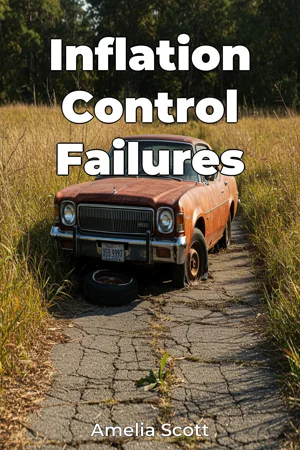
Could the economic turmoil of the 1970s, marked by soaring inflation rates, offer crucial lessons for today's policymakers facing similar challenges? "Inflation Control Failures" delves into the multifaceted attempts by the United States to curb inflation during this turbulent decade, with a particular focus on the implementation and ultimate shortcomings of wage-price controls. This book examines the economic theories underpinning these policies, the political realities that shaped their application, and the long-term consequences that continue to resonate in economic policy debates. The central argument of "Inflation Control Failures" is that the reliance on wage-price controls as a primary tool to combat inflation in the 1970s was fundamentally flawed due to its neglect of the underlying monetary and fiscal drivers of inflation. This book asserts that these controls, while perhaps offering temporary relief, ultimately distorted market signals, created inefficiencies, and failed to address the root causes of the inflationary pressures. Understanding this failure is vital for economists, policymakers, and anyone interested in the history of economic thought and policy. The book begins by establishing the historical context of the 1970s, detailing the confluence of factors that led to the decade's inflationary crisis, including expansionary monetary policies, supply shocks such as the oil crises, and rising expectations of continued inflation. It examines the theoretical basis for wage-price controls, tracing their intellectual lineage and exploring the conditions under which they were expected to be effective. The core of the book is structured around a detailed analysis of the various phases of wage-price controls implemented throughout the 1970s under different administrations. It investigates the Nixon administration's initial embrace of controls, the modifications and adjustments made in subsequent years, and the eventual dismantling of these policies. Through meticulous examination of economic data, policy documents, and contemporary accounts, the book seeks to provide a comprehensive assessment of their impact on inflation, employment, and economic growth. Furthermore, "Inflation Control Failures" considers the political economy of inflation control, exploring the interactions between economic policymakers, political leaders, and interest groups that influenced the design and implementation of these policies. It examines how political considerations, such as the desire to maintain short-term economic stability and appease powerful constituencies, often overrode sound economic principles. The book draws upon a range of sources, including government statistics, academic studies, archival materials, and interviews with policymakers and economists who were involved in the events of the time. It employs econometric analysis to assess the effectiveness of wage-price controls in different sectors of the economy and to isolate their impact from other factors that were affecting inflation. "Inflation Control Failures" connects to several other fields of study, including political science, public policy, and sociology. The book demonstrates how the failure to control inflation in the 1970s contributed to a loss of public trust in government and to a broader sense of social and economic malaise. This book offers a fresh perspective by moving past simple characterizations of success or failure and instead provides a nuanced analysis of the conditions under which wage-price controls were likely to be ineffective. The target audience includes economists, historians, policymakers, students, and anyone with an interest in understanding the causes and consequences of inflation. The book's accessible writing style and clear explanations of complex economic concepts make it suitable for a broad readership. It provides valuable insights into the limitations of government intervention in the economy and the importance of sound monetary and fiscal policies. While the book focuses primarily on the U.S. experience, it also draws comparisons with other countries that experimented with wage-price controls during the same period. This comparative perspective helps to illuminate the unique challenges and opportunities faced by the United States in its efforts to control inflation. The lessons learned from the inflation control failures of the 1970s have direct relevance to today's economic challenges. Policymakers grappling with inflationary pressures can benefit from a deeper understanding of the pitfalls of relying on blunt instruments such as wage-price controls. Finally, the book addresses the ongoing debate about the role of government intervention in the economy and the appropriate response to inflationary pressures. It argues that while government intervention may be necessary in certain circumstances, it is essential to carefully consider the potential unintended consequences of such interventions and to ensure that they are aligned with sound economic principles. The book avoids oversimplifications and acknowledges the complexities involved in managing inflation in a dynamic and uncertain world.
Could the economic turmoil of the 1970s, marked by soaring inflation rates, offer crucial lessons for today's policymakers facing similar challenges? "Inflation Control Failures" delves into the multifaceted attempts by the United States to curb inflation during this turbulent decade, with a particular focus on the implementation and ultimate shortcomings of wage-price controls. This book examines the economic theories underpinning these policies, the political realities that shaped their application, and the long-term consequences that continue to resonate in economic policy debates. The central argument of "Inflation Control Failures" is that the reliance on wage-price controls as a primary tool to combat inflation in the 1970s was fundamentally flawed due to its neglect of the underlying monetary and fiscal drivers of inflation. This book asserts that these controls, while perhaps offering temporary relief, ultimately distorted market signals, created inefficiencies, and failed to address the root causes of the inflationary pressures. Understanding this failure is vital for economists, policymakers, and anyone interested in the history of economic thought and policy. The book begins by establishing the historical context of the 1970s, detailing the confluence of factors that led to the decade's inflationary crisis, including expansionary monetary policies, supply shocks such as the oil crises, and rising expectations of continued inflation. It examines the theoretical basis for wage-price controls, tracing their intellectual lineage and exploring the conditions under which they were expected to be effective. The core of the book is structured around a detailed analysis of the various phases of wage-price controls implemented throughout the 1970s under different administrations. It investigates the Nixon administration's initial embrace of controls, the modifications and adjustments made in subsequent years, and the eventual dismantling of these policies. Through meticulous examination of economic data, policy documents, and contemporary accounts, the book seeks to provide a comprehensive assessment of their impact on inflation, employment, and economic growth. Furthermore, "Inflation Control Failures" considers the political economy of inflation control, exploring the interactions between economic policymakers, political leaders, and interest groups that influenced the design and implementation of these policies. It examines how political considerations, such as the desire to maintain short-term economic stability and appease powerful constituencies, often overrode sound economic principles. The book draws upon a range of sources, including government statistics, academic studies, archival materials, and interviews with policymakers and economists who were involved in the events of the time. It employs econometric analysis to assess the effectiveness of wage-price controls in different sectors of the economy and to isolate their impact from other factors that were affecting inflation. "Inflation Control Failures" connects to several other fields of study, including political science, public policy, and sociology. The book demonstrates how the failure to control inflation in the 1970s contributed to a loss of public trust in government and to a broader sense of social and economic malaise. This book offers a fresh perspective by moving past simple characterizations of success or failure and instead provides a nuanced analysis of the conditions under which wage-price controls were likely to be ineffective. The target audience includes economists, historians, policymakers, students, and anyone with an interest in understanding the causes and consequences of inflation. The book's accessible writing style and clear explanations of complex economic concepts make it suitable for a broad readership. It provides valuable insights into the limitations of government intervention in the economy and the importance of sound monetary and fiscal policies. While the book focuses primarily on the U.S. experience, it also draws comparisons with other countries that experimented with wage-price controls during the same period. This comparative perspective helps to illuminate the unique challenges and opportunities faced by the United States in its efforts to control inflation. The lessons learned from the inflation control failures of the 1970s have direct relevance to today's economic challenges. Policymakers grappling with inflationary pressures can benefit from a deeper understanding of the pitfalls of relying on blunt instruments such as wage-price controls. Finally, the book addresses the ongoing debate about the role of government intervention in the economy and the appropriate response to inflationary pressures. It argues that while government intervention may be necessary in certain circumstances, it is essential to carefully consider the potential unintended consequences of such interventions and to ensure that they are aligned with sound economic principles. The book avoids oversimplifications and acknowledges the complexities involved in managing inflation in a dynamic and uncertain world.
"Inflation Control Failures" examines the United States' struggle to manage soaring inflation during the 1970s, focusing on the use and ultimate failure of wage-price controls. The book argues that these controls, intended to curb inflation, neglected the core monetary and fiscal drivers, leading to market distortions and inefficiencies. It highlights how political considerations often overshadowed sound economic principles, contributing to policy missteps. This deep dive into economic history offers valuable lessons for today's policymakers facing similar inflationary pressures. The book begins by setting the stage with the factors leading to the 1970s crisis, such as expansionary monetary policies and supply shocks. It then analyzes the Nixon administration's implementation of wage-price controls, tracing their evolution and eventual dismantling. By drawing on economic data, policy documents, and accounts from those involved, "Inflation Control Failures" provides a comprehensive assessment of the impact of these controls on inflation, employment, and economic growth, offering a nuanced perspective on why these interventions proved ineffective.
Book Details
ISBN
9788235225160
Publisher
Publifye AS
Your Licenses
You don't own any licenses for this book
Purchase a license below to unlock this book and download the EPUB.
Purchase License
Select a tier to unlock this book
Need bulk licensing?
Contact us for enterprise agreements.