
About This Book
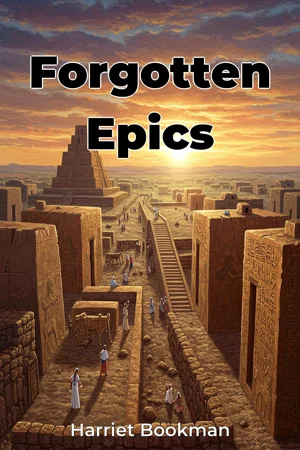
How many monumental stories, cornerstones of human imagination, lie buried beneath the sands of time, their echoes faint whispers in the grand narrative of literature? "Forgotten Epics" embarks on a journey to unearth these lost or rarely told epic tales that profoundly shaped ancient literature and continue to influence storytelling traditions in ways we may not realize. This book is a literary excavation, bringing to light narratives that deserve recognition alongside more familiar classics. We delve into several crucial areas: the recovery and reconstruction of fragmented epics, the cultural contexts that birthed these narratives, and their lasting impact on subsequent literary works and societal values. These areas are significant because they reveal the breadth and diversity of human creativity in the ancient world, challenge Eurocentric perspectives on literary history, and offer fresh insights into the enduring power of storytelling. The book provides the reader with a historical and literary backdrop, examining the societal structures, religious beliefs, and artistic conventions that gave rise to these forgotten epics. While no specific prerequiste knowledge is vital, familiarity with basic concepts of classical literature and mythology will provide extra context. However, the book is written to be accessible to any interested reader, and includes necessary background on the cultures and eras discussed. The central argument of "Forgotten Epics" is that the accepted canon of epic literature represents only a fraction of the rich tapestry of narratives developed in ancient civilizations. By recovering and analyzing these neglected works, we gain a more complete and nuanced understanding of the human experience, and recognize that these stories often contain unique perspectives and cultural values that are absent from commonly studied epics. The book is structured as follows: **Part 1** introduces the concept of the "lost epic" and discusses the challenges of recovering and interpreting fragmentary texts. It establishes the methodology used throughout the book, drawing on literary analysis, archaeological evidence, and comparative mythology. **Part 2** focuses on specific examples of forgotten epics from various cultures, including Mesopotamia, Egypt, and pre-Columbian America. Each chapter in this section presents a detailed analysis of a particular epic, exploring its plot, characters, themes, and historical context. **Part 3** examines the influence of these forgotten epics on later literary traditions and explores their relevance to contemporary issues such as cultural identity, social justice, and the power of narrative. The arguments presented are supported by a wide range of evidence, including translations of ancient texts, archaeological findings, and scholarly analyses of literary and historical sources. Unique data sources include recently discovered fragments of epics, as well as comparative analyses of motifs and themes across different cultures. This book connects history to the fields of comparative literature, anthropology, and cultural studies. Examining the historical contexts clarifies conditions from which these stories arose, literary analysis explains the storytelling, anthropological perspectives offer insight into the cultures which these stories were born from, and cultural studies provides insight into how these stories shape culture. These connections enhance the argument by demonstrating how stories served society. "Forgotten Epics" stands out for its inclusive approach, incorporating narratives from diverse cultures that are often overlooked in traditional literary scholarship. It uses interdisciplinary methodologies to analyze these epics, and offers a fresh perspective on the evolution of storytelling traditions. The tone is both scholarly and accessible, aiming to engage a broad audience while maintaining academic rigor. The writing style is clear and concise, with a focus on presenting complex information in an engaging and understandable manner. The target audience includes students, researchers, and general readers with an interest in literature, history, and mythology. The book will also be valuable to educators seeking to expand their curriculum beyond the traditional canon of epic literature. As a literary collection of essays, it provides both analysis and factual information for educational understanding. The scope of "Forgotten Epics" is broad, covering a wide range of cultures and time periods. However, it is limited by the availability of textual evidence and the challenges of interpreting fragmentary sources. The book focuses on epics that have been largely overlooked by mainstream scholarship, and does not attempt to provide a comprehensive overview of all epic literature. The information in this book can be applied practically by readers to enhance their understanding of literature, history, and culture. It can also inspire creative writing and storytelling, by encouraging writers to explore new perspectives and draw inspiration from diverse sources. The book addresses ongoing debates about the definition of "epic" and the criteria for inclusion in the literary canon. It challenges traditional notions of literary value and advocates for a more inclusive and representative approach to the study of literature.
How many monumental stories, cornerstones of human imagination, lie buried beneath the sands of time, their echoes faint whispers in the grand narrative of literature? "Forgotten Epics" embarks on a journey to unearth these lost or rarely told epic tales that profoundly shaped ancient literature and continue to influence storytelling traditions in ways we may not realize. This book is a literary excavation, bringing to light narratives that deserve recognition alongside more familiar classics. We delve into several crucial areas: the recovery and reconstruction of fragmented epics, the cultural contexts that birthed these narratives, and their lasting impact on subsequent literary works and societal values. These areas are significant because they reveal the breadth and diversity of human creativity in the ancient world, challenge Eurocentric perspectives on literary history, and offer fresh insights into the enduring power of storytelling. The book provides the reader with a historical and literary backdrop, examining the societal structures, religious beliefs, and artistic conventions that gave rise to these forgotten epics. While no specific prerequiste knowledge is vital, familiarity with basic concepts of classical literature and mythology will provide extra context. However, the book is written to be accessible to any interested reader, and includes necessary background on the cultures and eras discussed. The central argument of "Forgotten Epics" is that the accepted canon of epic literature represents only a fraction of the rich tapestry of narratives developed in ancient civilizations. By recovering and analyzing these neglected works, we gain a more complete and nuanced understanding of the human experience, and recognize that these stories often contain unique perspectives and cultural values that are absent from commonly studied epics. The book is structured as follows: **Part 1** introduces the concept of the "lost epic" and discusses the challenges of recovering and interpreting fragmentary texts. It establishes the methodology used throughout the book, drawing on literary analysis, archaeological evidence, and comparative mythology. **Part 2** focuses on specific examples of forgotten epics from various cultures, including Mesopotamia, Egypt, and pre-Columbian America. Each chapter in this section presents a detailed analysis of a particular epic, exploring its plot, characters, themes, and historical context. **Part 3** examines the influence of these forgotten epics on later literary traditions and explores their relevance to contemporary issues such as cultural identity, social justice, and the power of narrative. The arguments presented are supported by a wide range of evidence, including translations of ancient texts, archaeological findings, and scholarly analyses of literary and historical sources. Unique data sources include recently discovered fragments of epics, as well as comparative analyses of motifs and themes across different cultures. This book connects history to the fields of comparative literature, anthropology, and cultural studies. Examining the historical contexts clarifies conditions from which these stories arose, literary analysis explains the storytelling, anthropological perspectives offer insight into the cultures which these stories were born from, and cultural studies provides insight into how these stories shape culture. These connections enhance the argument by demonstrating how stories served society. "Forgotten Epics" stands out for its inclusive approach, incorporating narratives from diverse cultures that are often overlooked in traditional literary scholarship. It uses interdisciplinary methodologies to analyze these epics, and offers a fresh perspective on the evolution of storytelling traditions. The tone is both scholarly and accessible, aiming to engage a broad audience while maintaining academic rigor. The writing style is clear and concise, with a focus on presenting complex information in an engaging and understandable manner. The target audience includes students, researchers, and general readers with an interest in literature, history, and mythology. The book will also be valuable to educators seeking to expand their curriculum beyond the traditional canon of epic literature. As a literary collection of essays, it provides both analysis and factual information for educational understanding. The scope of "Forgotten Epics" is broad, covering a wide range of cultures and time periods. However, it is limited by the availability of textual evidence and the challenges of interpreting fragmentary sources. The book focuses on epics that have been largely overlooked by mainstream scholarship, and does not attempt to provide a comprehensive overview of all epic literature. The information in this book can be applied practically by readers to enhance their understanding of literature, history, and culture. It can also inspire creative writing and storytelling, by encouraging writers to explore new perspectives and draw inspiration from diverse sources. The book addresses ongoing debates about the definition of "epic" and the criteria for inclusion in the literary canon. It challenges traditional notions of literary value and advocates for a more inclusive and representative approach to the study of literature.
"Forgotten Epics" seeks to recover lost voices from ancient literature, revealing monumental stories that have shaped storytelling traditions more than we often realize. This literary excavation unearths narratives from diverse cultures, challenging Eurocentric perspectives and enriching our understanding of human creativity. Imagine, for example, pre-Columbian American epics holding just as much cultural significance as the well-known Greek classics, offering unique perspectives on universal themes. The book progresses by first introducing the concept of the "lost epic" and the challenges of interpreting fragmented texts. It then delves into specific examples from Mesopotamia, Egypt, and beyond, analyzing their plots, characters, and historical context. Finally, it examines the influence of these forgotten epics on later traditions and their relevance to contemporary issues. By connecting history to cultural studies and anthropology, "Forgotten Epics" highlights how these ancient stories shaped societies and continue to resonate today, offering a fresh perspective on literary history.
Book Details
ISBN
9788235225092
Publisher
Publifye AS
Your Licenses
You don't own any licenses for this book
Purchase a license below to unlock this book and download the EPUB.
Purchase License
Select a tier to unlock this book
Need bulk licensing?
Contact us for enterprise agreements.