
About This Book
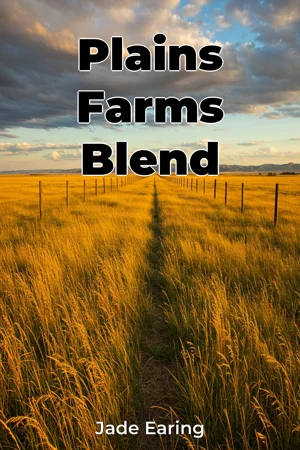
How have the traditions of indigenous Plains tribes adapted and endured in the face of modern ranching practices? "Plains Farms Blend" examines the evolving relationship between Plains tribes and the land, focusing on the integration—and occasional conflict—between their cultural heritage and the demands of contemporary ranching. This book delves into the heart of the Great Plains, where the descendants of once nomadic peoples are now navigating the complexities of land ownership, agricultural sustainability, and the preservation of their cultural identities. The first key topic is the historical context of land dispossession and its impact on Plains tribes. Understanding the treaties, conflicts, and government policies that led to the loss of ancestral lands is crucial for grasping the present-day challenges faced by these communities. Second, the book explores the ways in which Plains tribes have strategically adopted and adapted ranching practices, not merely as a means of survival, but as a way to reassert sovereignty and retain a connection to the land. Finally, it analyzes the cultural preservation efforts undertaken by various tribes, highlighting the ways in which traditional values and practices are being interwoven with modern agricultural techniques to create unique and sustainable farming models. The central argument is that Plains tribes are not simply passive recipients of historical change, but active agents in shaping their own destinies. By strategically blending ranching with their cultural heritage, they are forging new paths towards economic self-sufficiency, cultural revitalization, and environmental stewardship. This argument is important because it challenges stereotypical portrayals of Native Americans as victims of history, underscoring their resilience and adaptability in the face of ongoing challenges. "Plains Farms Blend" is structured in three parts. Part one provides a historical overview of the Plains tribes, detailing their traditional ways of life, their interactions with settlers, and the impact of government policies on their land and culture. Part two examines contemporary ranching practices within tribal communities, featuring case studies of successful operations that prioritize both economic viability and cultural preservation. Part three explores the innovative strategies being employed to integrate traditional ecological knowledge with modern agricultural techniques, emphasizing sustainable land management and the revitalization of indigenous food systems. The evidence presented in this book is drawn from a combination of primary and secondary sources, including archival documents, oral histories, ethnographic studies, and agricultural data. Unique data sources include interviews with tribal elders, ranchers, and community leaders, providing firsthand accounts of the challenges and successes of integrating ranching with cultural heritage. Methodologies employed include qualitative analysis of interview transcripts, quantitative analysis of agricultural data, and comparative case studies of different tribal communities. This book connects to several other fields, including environmental studies, Native American studies, and agricultural economics. By examining the intersection of these fields, "Plains Farms Blend" offers a holistic understanding of the complex issues facing Plains tribes and the innovative solutions they are developing. The approach is narrative non-fiction, blending historical analysis with personal stories and vivid descriptions of the landscapes and communities being studied. This style is intended to make the book accessible to a broad audience, while still maintaining a high level of academic rigor. The target audience includes anyone interested in Native American history, sustainable agriculture, or rural community development. It will be valuable to students, researchers, policymakers, and anyone seeking a deeper understanding of the challenges and opportunities facing Plains tribes today. A key genre convention of history and social science is a balanced perspective. While advocating for recognition of tribal achievements, the book avoids romanticizing the past or glossing over ongoing struggles. It acknowledges internal tribal debates and the complexities of navigating a modern world while retaining cultural identity. The scope of the book is limited to tribes actively engaged in ranching or farming on the Great Plains. This focus allows for in-depth analysis of specific communities and their unique experiences, while acknowledging that other tribes may face different challenges and opportunities. The information in this book can be applied practically by readers interested in supporting tribal sovereignty, promoting sustainable agriculture, or investing in rural communities. It offers insights into effective strategies for economic development, cultural preservation, and environmental stewardship that can be adapted to other contexts. "Plains Farms Blend" addresses ongoing debates about land rights, resource management, and cultural appropriation. By presenting diverse perspectives and offering evidence-based analysis, it aims to foster a more nuanced and informed understanding of these complex issues.
How have the traditions of indigenous Plains tribes adapted and endured in the face of modern ranching practices? "Plains Farms Blend" examines the evolving relationship between Plains tribes and the land, focusing on the integration—and occasional conflict—between their cultural heritage and the demands of contemporary ranching. This book delves into the heart of the Great Plains, where the descendants of once nomadic peoples are now navigating the complexities of land ownership, agricultural sustainability, and the preservation of their cultural identities. The first key topic is the historical context of land dispossession and its impact on Plains tribes. Understanding the treaties, conflicts, and government policies that led to the loss of ancestral lands is crucial for grasping the present-day challenges faced by these communities. Second, the book explores the ways in which Plains tribes have strategically adopted and adapted ranching practices, not merely as a means of survival, but as a way to reassert sovereignty and retain a connection to the land. Finally, it analyzes the cultural preservation efforts undertaken by various tribes, highlighting the ways in which traditional values and practices are being interwoven with modern agricultural techniques to create unique and sustainable farming models. The central argument is that Plains tribes are not simply passive recipients of historical change, but active agents in shaping their own destinies. By strategically blending ranching with their cultural heritage, they are forging new paths towards economic self-sufficiency, cultural revitalization, and environmental stewardship. This argument is important because it challenges stereotypical portrayals of Native Americans as victims of history, underscoring their resilience and adaptability in the face of ongoing challenges. "Plains Farms Blend" is structured in three parts. Part one provides a historical overview of the Plains tribes, detailing their traditional ways of life, their interactions with settlers, and the impact of government policies on their land and culture. Part two examines contemporary ranching practices within tribal communities, featuring case studies of successful operations that prioritize both economic viability and cultural preservation. Part three explores the innovative strategies being employed to integrate traditional ecological knowledge with modern agricultural techniques, emphasizing sustainable land management and the revitalization of indigenous food systems. The evidence presented in this book is drawn from a combination of primary and secondary sources, including archival documents, oral histories, ethnographic studies, and agricultural data. Unique data sources include interviews with tribal elders, ranchers, and community leaders, providing firsthand accounts of the challenges and successes of integrating ranching with cultural heritage. Methodologies employed include qualitative analysis of interview transcripts, quantitative analysis of agricultural data, and comparative case studies of different tribal communities. This book connects to several other fields, including environmental studies, Native American studies, and agricultural economics. By examining the intersection of these fields, "Plains Farms Blend" offers a holistic understanding of the complex issues facing Plains tribes and the innovative solutions they are developing. The approach is narrative non-fiction, blending historical analysis with personal stories and vivid descriptions of the landscapes and communities being studied. This style is intended to make the book accessible to a broad audience, while still maintaining a high level of academic rigor. The target audience includes anyone interested in Native American history, sustainable agriculture, or rural community development. It will be valuable to students, researchers, policymakers, and anyone seeking a deeper understanding of the challenges and opportunities facing Plains tribes today. A key genre convention of history and social science is a balanced perspective. While advocating for recognition of tribal achievements, the book avoids romanticizing the past or glossing over ongoing struggles. It acknowledges internal tribal debates and the complexities of navigating a modern world while retaining cultural identity. The scope of the book is limited to tribes actively engaged in ranching or farming on the Great Plains. This focus allows for in-depth analysis of specific communities and their unique experiences, while acknowledging that other tribes may face different challenges and opportunities. The information in this book can be applied practically by readers interested in supporting tribal sovereignty, promoting sustainable agriculture, or investing in rural communities. It offers insights into effective strategies for economic development, cultural preservation, and environmental stewardship that can be adapted to other contexts. "Plains Farms Blend" addresses ongoing debates about land rights, resource management, and cultural appropriation. By presenting diverse perspectives and offering evidence-based analysis, it aims to foster a more nuanced and informed understanding of these complex issues.
"Plains Farms Blend" delves into the intricate relationship between Plains tribes and the land, particularly focusing on how these communities integrate their cultural heritage with modern ranching practices. The book highlights the historical context of land dispossession and its profound impact, while also showcasing how tribes strategically adapt ranching as a means of asserting sovereignty and maintaining a connection to their ancestral lands. It explores the preservation efforts undertaken by tribes, demonstrating how traditional values are interwoven with contemporary agricultural techniques. The book challenges stereotypical portrayals by emphasizing the resilience and adaptability of Native Americans. For example, the integration of indigenous food systems with modern agriculture demonstrates a commitment to both economic self-sufficiency and cultural revitalization. The book progresses across chapters, starting with a historical overview, then examining current ranching practices, and finally exploring innovative strategies that blend traditional ecological knowledge with modern agriculture, offering a holistic understanding of the issues. Through a narrative non-fiction approach, "Plains Farms Blend" combines historical analysis with personal stories, making it accessible to a broad audience interested in Native American history, agricultural sustainability, or rural community development. By addressing ongoing debates about land rights and resource management, it aims to foster a more nuanced understanding of the challenges and opportunities facing Plains tribes today.
Book Details
ISBN
9788235225085
Publisher
Publifye AS
Your Licenses
You don't own any licenses for this book
Purchase a license below to unlock this book and download the EPUB.
Purchase License
Select a tier to unlock this book
Need bulk licensing?
Contact us for enterprise agreements.