
About This Book
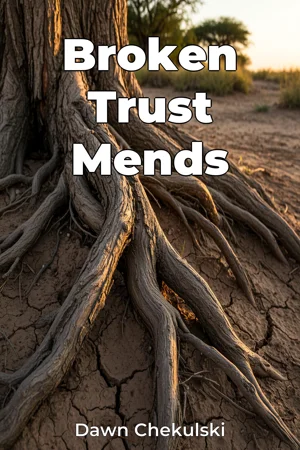
Have you ever felt the sting of broken trust, leaving a relationship fractured and seemingly beyond repair? "Broken Trust Mends" offers a roadmap for rebuilding connections through the foundational principles of honesty and gradual, sustained effort. This book delves into the complexities of trust, exploring its fragility and the methods by which it can be resurrected, even after significant damage. The key topics addressed are the anatomy of trust in relationships, the process of honest communication as a rebuilding tool, and the importance of time and patience in the healing process. These topics are vital because trust underpins all healthy relationships, and its absence can lead to isolation, conflict, and emotional distress. The breakdown of trust is often rooted in a history of unmet expectations, betrayals, or miscommunications. Understanding the circumstances that erode trust is crucial before any attempt at repair can begin. "Broken Trust Mends" argues that genuine honesty, while initially painful, is the only viable path to reconciliation. This involves not only confessing wrongdoings but also committing to transparency and accountability moving forward. The central argument is that rebuilding trust is not a quick fix but a deliberate and patient journey, requiring consistent effort and a willingness to confront difficult truths. This argument is important because it challenges the common misconception that trust can be instantly restored with a simple apology. The book is structured to guide readers through a step-by-step process. It begins by defining trust in the context of family and romantic relationships, examining its various components, such as reliability, integrity, and vulnerability. It then explores the devastating impact of broken trust, detailing the emotional and psychological consequences for all parties involved. The core of the book focuses on the practical strategies for rebuilding trust. This section covers techniques for effective and honest communication, including active listening, empathy, and non-defensive dialogue. It also emphasizes the importance of setting realistic expectations and boundaries, demonstrating consistent behavior, and seeking professional help when necessary. The book culminates with a discussion of forgiveness – both self-forgiveness and forgiving others – as essential components of the healing process. The book draws upon case studies, research in communication psychology, and relationship counseling techniques to support its arguments. "Broken Trust Mends" intersects with fields such as psychology, sociology, and conflict resolution. Its insights into communication patterns and emotional regulation draw from psychological principles, while its understanding of relationship dynamics is informed by sociological research. The book's strategies for conflict resolution provide practical tools for navigating difficult conversations and resolving disagreements constructively. The unique approach lies in its emphasis on the gradual and iterative nature of trust-building. It acknowledges that setbacks are inevitable and provides guidance on how to navigate these challenges without losing momentum. The tone is supportive and encouraging, offering practical advice in a clear and accessible manner. The intended audience includes individuals who have experienced a breach of trust in their relationships, whether as the transgressor or the aggrieved. It will also be valuable for couples, families, and therapists seeking guidance on how to navigate the complexities of trust repair. As a self-help communication book, "Broken Trust Mends" provides actionable steps and practical exercises to facilitate meaningful change. While the book offers comprehensive guidance, it acknowledges that every relationship is unique, and the strategies outlined may need to be adapted to individual circumstances. The scope is limited to interpersonal relationships, primarily within family and romantic contexts, with a focus on emotional and communicative aspects of rebuilding trust. The principles outlined in "Broken Trust Mends" can be applied to various real-world scenarios, from repairing damaged relationships with family members to rebuilding trust with a partner after infidelity. The book addresses the ongoing debate about the role of forgiveness in rebuilding trust. While some argue that forgiveness is essential, others believe that it is not always necessary or possible. "Broken Trust Mends" takes a nuanced approach, arguing that forgiveness is a personal choice that can be beneficial but should not be forced or expected.
Have you ever felt the sting of broken trust, leaving a relationship fractured and seemingly beyond repair? "Broken Trust Mends" offers a roadmap for rebuilding connections through the foundational principles of honesty and gradual, sustained effort. This book delves into the complexities of trust, exploring its fragility and the methods by which it can be resurrected, even after significant damage. The key topics addressed are the anatomy of trust in relationships, the process of honest communication as a rebuilding tool, and the importance of time and patience in the healing process. These topics are vital because trust underpins all healthy relationships, and its absence can lead to isolation, conflict, and emotional distress. The breakdown of trust is often rooted in a history of unmet expectations, betrayals, or miscommunications. Understanding the circumstances that erode trust is crucial before any attempt at repair can begin. "Broken Trust Mends" argues that genuine honesty, while initially painful, is the only viable path to reconciliation. This involves not only confessing wrongdoings but also committing to transparency and accountability moving forward. The central argument is that rebuilding trust is not a quick fix but a deliberate and patient journey, requiring consistent effort and a willingness to confront difficult truths. This argument is important because it challenges the common misconception that trust can be instantly restored with a simple apology. The book is structured to guide readers through a step-by-step process. It begins by defining trust in the context of family and romantic relationships, examining its various components, such as reliability, integrity, and vulnerability. It then explores the devastating impact of broken trust, detailing the emotional and psychological consequences for all parties involved. The core of the book focuses on the practical strategies for rebuilding trust. This section covers techniques for effective and honest communication, including active listening, empathy, and non-defensive dialogue. It also emphasizes the importance of setting realistic expectations and boundaries, demonstrating consistent behavior, and seeking professional help when necessary. The book culminates with a discussion of forgiveness – both self-forgiveness and forgiving others – as essential components of the healing process. The book draws upon case studies, research in communication psychology, and relationship counseling techniques to support its arguments. "Broken Trust Mends" intersects with fields such as psychology, sociology, and conflict resolution. Its insights into communication patterns and emotional regulation draw from psychological principles, while its understanding of relationship dynamics is informed by sociological research. The book's strategies for conflict resolution provide practical tools for navigating difficult conversations and resolving disagreements constructively. The unique approach lies in its emphasis on the gradual and iterative nature of trust-building. It acknowledges that setbacks are inevitable and provides guidance on how to navigate these challenges without losing momentum. The tone is supportive and encouraging, offering practical advice in a clear and accessible manner. The intended audience includes individuals who have experienced a breach of trust in their relationships, whether as the transgressor or the aggrieved. It will also be valuable for couples, families, and therapists seeking guidance on how to navigate the complexities of trust repair. As a self-help communication book, "Broken Trust Mends" provides actionable steps and practical exercises to facilitate meaningful change. While the book offers comprehensive guidance, it acknowledges that every relationship is unique, and the strategies outlined may need to be adapted to individual circumstances. The scope is limited to interpersonal relationships, primarily within family and romantic contexts, with a focus on emotional and communicative aspects of rebuilding trust. The principles outlined in "Broken Trust Mends" can be applied to various real-world scenarios, from repairing damaged relationships with family members to rebuilding trust with a partner after infidelity. The book addresses the ongoing debate about the role of forgiveness in rebuilding trust. While some argue that forgiveness is essential, others believe that it is not always necessary or possible. "Broken Trust Mends" takes a nuanced approach, arguing that forgiveness is a personal choice that can be beneficial but should not be forced or expected.
"Broken Trust Mends" tackles the challenging journey of rebuilding trust in relationships, emphasizing that honesty and sustained effort are key. It acknowledges that broken trust, often stemming from unmet expectations or miscommunications, profoundly impacts families and couples. The book uniquely stresses that regaining trust isn't a quick fix but a gradual process requiring consistent commitment. The book explores the anatomy of trust, highlighting components like reliability and vulnerability, and delves into the emotional consequences of its loss. Readers will find practical strategies for honest communication, including active listening and empathy, as well as guidance on setting realistic expectations. For instance, the book uses case studies to illustrate how transparency and accountability, rather than mere apologies, pave the way for reconciliation. Chapters guide readers step-by-step, starting with defining trust and its breakdown, then progressing to actionable techniques for rebuilding. The book culminates in a discussion of forgiveness as a beneficial, though not mandatory, component of healing, making it a valuable resource for anyone seeking self-help in mending relationships.
Book Details
ISBN
9788235225061
Publisher
Publifye AS
Your Licenses
You don't own any licenses for this book
Purchase a license below to unlock this book and download the EPUB.
Purchase License
Select a tier to unlock this book
Need bulk licensing?
Contact us for enterprise agreements.