
About This Book
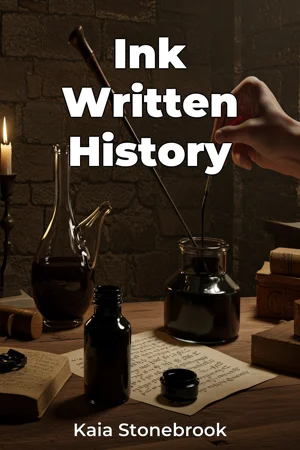
How has something as simple as ink shaped the course of civilization? "Ink Written History" delves into the fascinating, often overlooked story of ink, tracing its evolution from rudimentary carbon mixtures used in ancient times to the complex synthetic formulations employed today, revealing its pivotal role in preserving and disseminating knowledge across millennia. This book explores the scientific advancements in ink production and their symbiotic relationship with the historical trajectory of human communication and cultural development. This book addresses two primary themes: first, the scientific evolution of ink itself, examining the chemistry, materials science, and technological innovations that have driven its development; and second, the profound impact of these advancements on various aspects of human history, from record-keeping and literature to art and scientific discovery. Understanding ink's history provides essential context for appreciating its current ubiquity and potential future applications, as it remains a cornerstone of communication technologies, despite the rise of digital alternatives. The narrative begins with the earliest known inks, derived from natural sources like charcoal, berries, and minerals, used by ancient civilizations in Egypt, China, and Mesopotamia. It then progresses through the medieval period, marked by the development of iron gall ink, a durable but often corrosive substance that dominated writing for centuries. The book further investigates the advent of synthetic dyes and pigments in the 19th and 20th centuries, leading to the vast array of inks available today, each formulated for specific purposes, from fountain pens and printing presses to inkjet printers and specialized industrial applications. The central argument of "Ink Written History" is that the evolution of ink is intrinsically linked to the progress of human knowledge and culture. Each innovation in ink formulation has directly impacted the methods and means of communication, artistic expression, and information storage, thereby shaping societal development. This book demonstrates that ink is not merely a passive medium but an active agent in the historical process. The book is structured chronologically and thematically. Initially, it lays the groundwork by exploring the basic chemical composition of different types of ink and their methods of production, providing essential scientific background. It examines the use of ink across different cultures and eras, highlighting how ink influenced document preservation, artistic expression, and the transmission of ideas. A dedicated section focuses on the impact of the printing press and the subsequent explosion of knowledge dissemination facilitated by mass-produced inks. Finally, the book culminates in an exploration of modern ink technologies, including digital printing and specialized inks used in security and manufacturing, while also considering the environmental impact of ink production and disposal. The arguments presented are supported by a wide range of evidence, including archaeological findings of ancient inks, historical documents detailing ink recipes and manufacturing processes, and scientific analyses of ink composition using modern analytical techniques. The book draws upon primary sources, such as historical manuscripts and early printed books, as well as secondary sources from the fields of history, chemistry, art history, and materials science. "Ink Written History" bridges several disciplines. It connects history by illustrating how ink has been essential to recording and preserving our past. Chemistry is integral in understanding ink's composition and the scientific processes involved in its development. Art history is important because ink has been a fundamental tool for artists across cultures and centuries. These interdisciplinary connections enrich the reader's understanding of ink's multifaceted impact. This book offers a unique perspective by considering ink not just as a writing tool, but as a cultural artifact and a technological innovation that mirrors and influences societal change. This distinctive approach allows for a fresh understanding of how something seemingly simple can have pervasive effects. Written in a clear and accessible style, "Ink Written History" aims to make the subject matter engaging and understandable for a broad audience. Complex scientific concepts are explained in layman's terms, and historical events are presented within their social and cultural contexts. The target audience includes history enthusiasts, science buffs, art historians, students, and anyone interested in the history of technology or the evolution of communication. The book provides valuable insights into the role of ink in shaping our world. As a work of non-fiction, "Ink Written History" adheres to the genre's conventions of accuracy, objectivity, and evidence-based analysis. It presents well-researched information in a clear and organized manner, with proper citations and references. The book's scope focuses primarily on the historical and scientific aspects of ink, with limited discussion of calligraphy or specific artistic techniques. This deliberate focus allows for a more in-depth exploration of the core themes. The information presented has real-world applications for conservators, archivists, and museum professionals involved in the preservation of historical documents and artifacts. It is beneficial for those working in the printing, publishing, and art supplies industries, providing a deeper understanding of the materials they use. While not explicitly delving into contentious debates, the book acknowledges the ongoing discussions about the environmental impact of modern ink production, highlighting the need for sustainable alternatives and responsible manufacturing practices.
How has something as simple as ink shaped the course of civilization? "Ink Written History" delves into the fascinating, often overlooked story of ink, tracing its evolution from rudimentary carbon mixtures used in ancient times to the complex synthetic formulations employed today, revealing its pivotal role in preserving and disseminating knowledge across millennia. This book explores the scientific advancements in ink production and their symbiotic relationship with the historical trajectory of human communication and cultural development. This book addresses two primary themes: first, the scientific evolution of ink itself, examining the chemistry, materials science, and technological innovations that have driven its development; and second, the profound impact of these advancements on various aspects of human history, from record-keeping and literature to art and scientific discovery. Understanding ink's history provides essential context for appreciating its current ubiquity and potential future applications, as it remains a cornerstone of communication technologies, despite the rise of digital alternatives. The narrative begins with the earliest known inks, derived from natural sources like charcoal, berries, and minerals, used by ancient civilizations in Egypt, China, and Mesopotamia. It then progresses through the medieval period, marked by the development of iron gall ink, a durable but often corrosive substance that dominated writing for centuries. The book further investigates the advent of synthetic dyes and pigments in the 19th and 20th centuries, leading to the vast array of inks available today, each formulated for specific purposes, from fountain pens and printing presses to inkjet printers and specialized industrial applications. The central argument of "Ink Written History" is that the evolution of ink is intrinsically linked to the progress of human knowledge and culture. Each innovation in ink formulation has directly impacted the methods and means of communication, artistic expression, and information storage, thereby shaping societal development. This book demonstrates that ink is not merely a passive medium but an active agent in the historical process. The book is structured chronologically and thematically. Initially, it lays the groundwork by exploring the basic chemical composition of different types of ink and their methods of production, providing essential scientific background. It examines the use of ink across different cultures and eras, highlighting how ink influenced document preservation, artistic expression, and the transmission of ideas. A dedicated section focuses on the impact of the printing press and the subsequent explosion of knowledge dissemination facilitated by mass-produced inks. Finally, the book culminates in an exploration of modern ink technologies, including digital printing and specialized inks used in security and manufacturing, while also considering the environmental impact of ink production and disposal. The arguments presented are supported by a wide range of evidence, including archaeological findings of ancient inks, historical documents detailing ink recipes and manufacturing processes, and scientific analyses of ink composition using modern analytical techniques. The book draws upon primary sources, such as historical manuscripts and early printed books, as well as secondary sources from the fields of history, chemistry, art history, and materials science. "Ink Written History" bridges several disciplines. It connects history by illustrating how ink has been essential to recording and preserving our past. Chemistry is integral in understanding ink's composition and the scientific processes involved in its development. Art history is important because ink has been a fundamental tool for artists across cultures and centuries. These interdisciplinary connections enrich the reader's understanding of ink's multifaceted impact. This book offers a unique perspective by considering ink not just as a writing tool, but as a cultural artifact and a technological innovation that mirrors and influences societal change. This distinctive approach allows for a fresh understanding of how something seemingly simple can have pervasive effects. Written in a clear and accessible style, "Ink Written History" aims to make the subject matter engaging and understandable for a broad audience. Complex scientific concepts are explained in layman's terms, and historical events are presented within their social and cultural contexts. The target audience includes history enthusiasts, science buffs, art historians, students, and anyone interested in the history of technology or the evolution of communication. The book provides valuable insights into the role of ink in shaping our world. As a work of non-fiction, "Ink Written History" adheres to the genre's conventions of accuracy, objectivity, and evidence-based analysis. It presents well-researched information in a clear and organized manner, with proper citations and references. The book's scope focuses primarily on the historical and scientific aspects of ink, with limited discussion of calligraphy or specific artistic techniques. This deliberate focus allows for a more in-depth exploration of the core themes. The information presented has real-world applications for conservators, archivists, and museum professionals involved in the preservation of historical documents and artifacts. It is beneficial for those working in the printing, publishing, and art supplies industries, providing a deeper understanding of the materials they use. While not explicitly delving into contentious debates, the book acknowledges the ongoing discussions about the environmental impact of modern ink production, highlighting the need for sustainable alternatives and responsible manufacturing practices.
"Ink Written History" explores the profound impact of ink on civilization, revealing its journey from ancient natural mixtures to today's complex synthetic formulations. The book emphasizes that ink isn't merely a passive medium; it's an active agent in shaping human knowledge and culture. Intriguingly, the development of iron gall ink during the medieval period, while durable, often led to corrosion of documents, highlighting the challenges in ink production. Moreover, the advent of the printing press spurred an explosion of knowledge dissemination, significantly influenced by mass-produced inks. This exploration of ink history is presented chronologically and thematically. It begins by examining the basic chemical composition of different inks and their production methods, moves through ink's use across cultures and eras, and culminates in modern ink technologies. By connecting history, science, and art, the book illustrates how ink has been essential in recording our past, driving scientific processes, and enabling artistic expression. It uniquely considers ink as both a cultural artifact and a technological innovation reflecting societal change.
Book Details
ISBN
9788235225009
Publisher
Publifye AS
Your Licenses
You don't own any licenses for this book
Purchase a license below to unlock this book and download the EPUB.
Purchase License
Select a tier to unlock this book
Need bulk licensing?
Contact us for enterprise agreements.