
About This Book
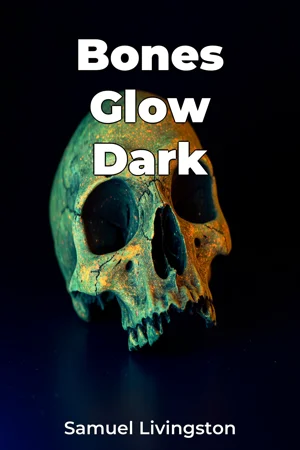
Imagine a skeleton, bathed in ultraviolet light, revealing secrets hidden for decades. "Bones Glow Dark" explores the fascinating phenomenon of fluorescence in human skeletal remains, a subject of increasing importance in modern forensic science and bioarcheology. This book delves into the science behind this eerie glow, examining its applications in identifying skeletal remains, estimating time since death, and uncovering previously undetectable details about an individual's life. The core of this book revolves around three interconnected topics: the science of skeletal fluorescence, its forensic applications, and its relevance to understanding human history and biology. Skeletal fluorescence, the emission of light by bone tissue when exposed to UV radiation, is influenced by various factors, including the individual's diet, environment, and postmortem conditions. Understanding these influencing elements is critical for accurate forensic interpretations. The applications of this phenomenon are significant, potentially affecting the accuracy and speed of investigations. Further, the study of bone fluorescence offers a novel lens through which we can examine past populations and environmental changes. "Bones Glow Dark" provides the reader the necessary understanding to appreciate the nuances of skeletal fluorescence. We will first introduce the fundamental principles of fluorescence and how it manifests in bone tissue, explaining the chemical and physical processes involved. The book then examines the specific components within bone – such as collagen and minerals – that contribute to its fluorescent properties. This foundation allows us to explore the external factors that modify fluorescence, from soil composition to burial practices. The book’s central argument is that skeletal fluorescence, as a forensic tool, offers a valuable, yet often overlooked, avenue for investigation. By understanding the factors that influence bone fluorescence, forensic scientists and bioarcheologists can more accurately analyze skeletal remains. This book will demonstrate how the analysis of fluorescence characteristics can aid in distinguishing between antemortem and postmortem damage, identifying commingled remains, and potentially offering insights into an individual’s geographic origin or dietary habits. "Bones Glow Dark" is structured to guide the reader through the complexities of skeletal fluorescence. The initial chapters will cover the basic science and influential factors involved, providing a strong foundation. Subsequent chapters will focus on specific forensic applications, including case studies that illustrate the practical utility of fluorescence analysis. A culmination of the argument will present the future potential of the research, alongside its limitations. The conclusion will discuss the broader implications of this research. The book relies on a diverse range of evidence, including laboratory experiments, analysis of archaeological skeletal collections, and documented forensic cases. Original data from spectroscopic analysis will be presented alongside comprehensive reviews of existing literature and case studies. This book integrates chemistry, physics, biology, and forensic science to provide a comprehensive understanding of skeletal fluorescence. The book also connects to related fields like materials science (studying the properties of bone as a composite material) and environmental science (assessing the impact of environmental factors on bone composition). A unique aspect of "Bones Glow Dark" will be its focus on the quantitative analysis of fluorescence spectra. Rather than relying solely on visual assessment, the book will emphasize the use of spectroscopic techniques to objectively measure and interpret fluorescence patterns. This approach offers a more rigorous and reproducible methodology. The writing style will be accessible to both scientists and non-scientists, balancing technical detail with clear explanations and compelling real-world examples. The intended readership includes forensic scientists, bioarcheologists, anthropologists, students in related fields, and anyone with an interest in the science of death and the secrets hidden within our bones. As a work of non-fiction, "Bones Glow Dark" adheres to principles of accuracy, objectivity, and transparency. While the book aims to provide a broad overview of skeletal fluorescence, it will also acknowledge its limitations. For instance, the interpretation of fluorescence data can be complex and prone to error if not performed carefully. Furthermore, the specific fluorescence characteristics of bone can vary depending on the age, sex, and health status of the individual, as well as environmental factors. This book will offer practical guidance on how to minimize error. The information within this book will not only serve as a guide for laboratory analysis, but can also lead the reader to a deeper comprehension of the human body. "Bones Glow Dark" acknowledges areas of ongoing debate, specifically concerning the relative importance of various factors influencing skeletal fluorescence and the reproducibility of certain analytical techniques. The book aims to present a balanced perspective while advocating for further research to refine and validate existing methods.
Imagine a skeleton, bathed in ultraviolet light, revealing secrets hidden for decades. "Bones Glow Dark" explores the fascinating phenomenon of fluorescence in human skeletal remains, a subject of increasing importance in modern forensic science and bioarcheology. This book delves into the science behind this eerie glow, examining its applications in identifying skeletal remains, estimating time since death, and uncovering previously undetectable details about an individual's life. The core of this book revolves around three interconnected topics: the science of skeletal fluorescence, its forensic applications, and its relevance to understanding human history and biology. Skeletal fluorescence, the emission of light by bone tissue when exposed to UV radiation, is influenced by various factors, including the individual's diet, environment, and postmortem conditions. Understanding these influencing elements is critical for accurate forensic interpretations. The applications of this phenomenon are significant, potentially affecting the accuracy and speed of investigations. Further, the study of bone fluorescence offers a novel lens through which we can examine past populations and environmental changes. "Bones Glow Dark" provides the reader the necessary understanding to appreciate the nuances of skeletal fluorescence. We will first introduce the fundamental principles of fluorescence and how it manifests in bone tissue, explaining the chemical and physical processes involved. The book then examines the specific components within bone – such as collagen and minerals – that contribute to its fluorescent properties. This foundation allows us to explore the external factors that modify fluorescence, from soil composition to burial practices. The book’s central argument is that skeletal fluorescence, as a forensic tool, offers a valuable, yet often overlooked, avenue for investigation. By understanding the factors that influence bone fluorescence, forensic scientists and bioarcheologists can more accurately analyze skeletal remains. This book will demonstrate how the analysis of fluorescence characteristics can aid in distinguishing between antemortem and postmortem damage, identifying commingled remains, and potentially offering insights into an individual’s geographic origin or dietary habits. "Bones Glow Dark" is structured to guide the reader through the complexities of skeletal fluorescence. The initial chapters will cover the basic science and influential factors involved, providing a strong foundation. Subsequent chapters will focus on specific forensic applications, including case studies that illustrate the practical utility of fluorescence analysis. A culmination of the argument will present the future potential of the research, alongside its limitations. The conclusion will discuss the broader implications of this research. The book relies on a diverse range of evidence, including laboratory experiments, analysis of archaeological skeletal collections, and documented forensic cases. Original data from spectroscopic analysis will be presented alongside comprehensive reviews of existing literature and case studies. This book integrates chemistry, physics, biology, and forensic science to provide a comprehensive understanding of skeletal fluorescence. The book also connects to related fields like materials science (studying the properties of bone as a composite material) and environmental science (assessing the impact of environmental factors on bone composition). A unique aspect of "Bones Glow Dark" will be its focus on the quantitative analysis of fluorescence spectra. Rather than relying solely on visual assessment, the book will emphasize the use of spectroscopic techniques to objectively measure and interpret fluorescence patterns. This approach offers a more rigorous and reproducible methodology. The writing style will be accessible to both scientists and non-scientists, balancing technical detail with clear explanations and compelling real-world examples. The intended readership includes forensic scientists, bioarcheologists, anthropologists, students in related fields, and anyone with an interest in the science of death and the secrets hidden within our bones. As a work of non-fiction, "Bones Glow Dark" adheres to principles of accuracy, objectivity, and transparency. While the book aims to provide a broad overview of skeletal fluorescence, it will also acknowledge its limitations. For instance, the interpretation of fluorescence data can be complex and prone to error if not performed carefully. Furthermore, the specific fluorescence characteristics of bone can vary depending on the age, sex, and health status of the individual, as well as environmental factors. This book will offer practical guidance on how to minimize error. The information within this book will not only serve as a guide for laboratory analysis, but can also lead the reader to a deeper comprehension of the human body. "Bones Glow Dark" acknowledges areas of ongoing debate, specifically concerning the relative importance of various factors influencing skeletal fluorescence and the reproducibility of certain analytical techniques. The book aims to present a balanced perspective while advocating for further research to refine and validate existing methods.
"Bones Glow Dark" explores the intriguing phenomenon of skeletal fluorescence, where bones emit light under ultraviolet radiation, revealing hidden clues vital to forensic science and bioarcheology. This emerging field can illuminate details about an individual's life and death long after they've passed. Did you know that factors like diet, environmental conditions, and even burial practices can affect how bones glow? This book delves into the science behind this eerie phenomenon, showing how fluorescence analysis can help identify remains and estimate the time since death. The book starts by introducing the science of skeletal fluorescence, explaining how chemical and physical processes within bone tissue cause it to glow. It then examines external factors that modify this fluorescence, such as soil composition. "Bones Glow Dark" emphasizes the quantitative analysis of fluorescence spectra, advocating for spectroscopic techniques for objective measurement and interpretation. Subsequent chapters focus on specific forensic applications, illustrated by case studies, ultimately presenting the future potential and limitations of this fascinating research area.
Book Details
ISBN
9788235224729
Publisher
Publifye AS
Your Licenses
You don't own any licenses for this book
Purchase a license below to unlock this book and download the EPUB.
Purchase License
Select a tier to unlock this book
Need bulk licensing?
Contact us for enterprise agreements.