
About This Book
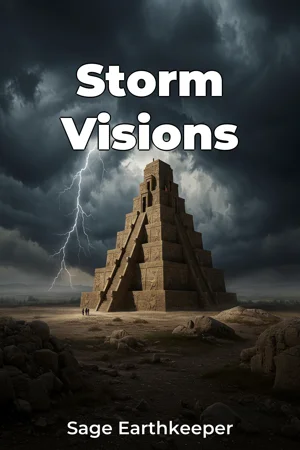
Have terrifying storms shaped our deepest fears and most enduring beliefs? "Storm Visions" explores the profound impact of extreme weather events on the formation of myths, religious texts, and apocalyptic prophecies across cultures and throughout history. This book delves into how humanity's experiences with storms—hurricanes, floods, droughts, and more—have been woven into the fabric of our spiritual and cultural narratives. Two key topics are central: the interpretation of storms as divine judgment or intervention, and the use of catastrophic weather as a metaphor for societal upheaval or the end of days. Understanding these themes is crucial because they reveal how deeply environmental phenomena influence our understanding of morality, power, and the future. The book also examines how ancient civilizations, lacking scientific understanding, often attributed meteorological phenomena to the actions of gods or supernatural forces. "Storm Visions" argues that stories of great floods, fiery tempests, and prolonged droughts are not mere folklore but reflect humanity's ongoing struggle to comprehend and cope with the unpredictable forces of nature. These narratives, often found in foundational religious texts, served as both explanations and warnings, shaping social norms and ethical codes. The book’s structure begins with an introduction to the geological and meteorological realities of past and present storms. It then transitions to an analysis of storm-related narratives in various religious traditions, including the Hebrew Bible, the Quran, and ancient Mesopotamian texts. Specific chapters focus on the Flood narrative in Genesis, the plagues of Egypt, and the apocalyptic visions in the Book of Revelation, analyzing them through the lens of climate history and cultural anthropology. The culmination involves tracing the recurrence of storm imagery in modern apocalyptic thought and environmental movements, demonstrating the continued relevance of these ancient anxieties. Evidence is drawn from a range of sources, including textual analysis of religious scriptures, archaeological findings related to ancient settlements affected by natural disasters, and climate data reconstructing past weather patterns. The book uniquely combines theological interpretation with scientific data. Interdisciplinary connections are paramount. The book draws upon biblical studies, earth sciences and geography, and religious studies to provide a multi-faceted understanding of the topic. This approach enables the book to speak to both religious scholars interested in environmental themes and environmental scientists interested in cultural influences on ecological thinking. "Storm Visions" adopts a factual, analytical tone, presenting information in a clear and accessible manner suitable for a broad audience. The intended readership includes students of religion, environmental history enthusiasts, and anyone interested in the intersection of culture and nature. This book would be valuable to them as it offers a fresh perspective on well-known stories and provides a historical context for contemporary environmental concerns. The scope of the book is intentionally broad, covering a range of cultures and time periods. However, it primarily focuses on Western religious traditions and their historical connections to the Middle East. This limitation allows for in-depth analysis while acknowledging the vast diversity of storm-related myths worldwide. The insights within "Storm Visions" have real-world applications, informing discussions about climate change, disaster preparedness, and the role of religion in shaping environmental ethics. By understanding how past societies interpreted and responded to natural disasters, we can gain valuable perspectives on how to address the challenges of our own time.
Have terrifying storms shaped our deepest fears and most enduring beliefs? "Storm Visions" explores the profound impact of extreme weather events on the formation of myths, religious texts, and apocalyptic prophecies across cultures and throughout history. This book delves into how humanity's experiences with storms—hurricanes, floods, droughts, and more—have been woven into the fabric of our spiritual and cultural narratives. Two key topics are central: the interpretation of storms as divine judgment or intervention, and the use of catastrophic weather as a metaphor for societal upheaval or the end of days. Understanding these themes is crucial because they reveal how deeply environmental phenomena influence our understanding of morality, power, and the future. The book also examines how ancient civilizations, lacking scientific understanding, often attributed meteorological phenomena to the actions of gods or supernatural forces. "Storm Visions" argues that stories of great floods, fiery tempests, and prolonged droughts are not mere folklore but reflect humanity's ongoing struggle to comprehend and cope with the unpredictable forces of nature. These narratives, often found in foundational religious texts, served as both explanations and warnings, shaping social norms and ethical codes. The book’s structure begins with an introduction to the geological and meteorological realities of past and present storms. It then transitions to an analysis of storm-related narratives in various religious traditions, including the Hebrew Bible, the Quran, and ancient Mesopotamian texts. Specific chapters focus on the Flood narrative in Genesis, the plagues of Egypt, and the apocalyptic visions in the Book of Revelation, analyzing them through the lens of climate history and cultural anthropology. The culmination involves tracing the recurrence of storm imagery in modern apocalyptic thought and environmental movements, demonstrating the continued relevance of these ancient anxieties. Evidence is drawn from a range of sources, including textual analysis of religious scriptures, archaeological findings related to ancient settlements affected by natural disasters, and climate data reconstructing past weather patterns. The book uniquely combines theological interpretation with scientific data. Interdisciplinary connections are paramount. The book draws upon biblical studies, earth sciences and geography, and religious studies to provide a multi-faceted understanding of the topic. This approach enables the book to speak to both religious scholars interested in environmental themes and environmental scientists interested in cultural influences on ecological thinking. "Storm Visions" adopts a factual, analytical tone, presenting information in a clear and accessible manner suitable for a broad audience. The intended readership includes students of religion, environmental history enthusiasts, and anyone interested in the intersection of culture and nature. This book would be valuable to them as it offers a fresh perspective on well-known stories and provides a historical context for contemporary environmental concerns. The scope of the book is intentionally broad, covering a range of cultures and time periods. However, it primarily focuses on Western religious traditions and their historical connections to the Middle East. This limitation allows for in-depth analysis while acknowledging the vast diversity of storm-related myths worldwide. The insights within "Storm Visions" have real-world applications, informing discussions about climate change, disaster preparedness, and the role of religion in shaping environmental ethics. By understanding how past societies interpreted and responded to natural disasters, we can gain valuable perspectives on how to address the challenges of our own time.
"Storm Visions" explores the enduring impact of extreme weather on cultural narratives, religious texts, and prophetic visions. Examining storms as divine judgment and metaphors for societal collapse, it reveals how environmental phenomena have shaped our understanding of morality, power, and the future. For instance, ancient civilizations, lacking scientific understanding, often attributed storms to deities, weaving these events into foundational stories that influenced social norms. The book uniquely combines theological interpretations with scientific data, drawing from biblical studies, earth sciences geography, and religious studies. Beginning with the geological and meteorological realities of storms, "Storm Visions" analyzes storm-related narratives in traditions like the Hebrew Bible and the Quran, focusing on events like the Flood and the plagues of Egypt. It culminates by tracing storm imagery in modern apocalyptic thought and environmental movements, demonstrating the continued relevance of these ancient anxieties.
Book Details
ISBN
9788235224569
Publisher
Publifye AS
Your Licenses
You don't own any licenses for this book
Purchase a license below to unlock this book and download the EPUB.
Purchase License
Select a tier to unlock this book
Need bulk licensing?
Contact us for enterprise agreements.