
About This Book
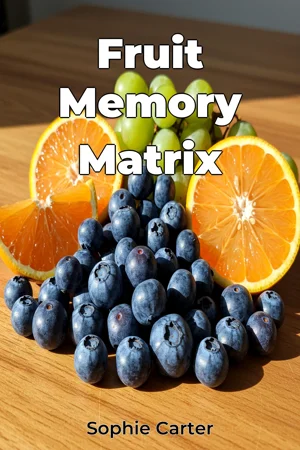
Can a simple dietary change unlock the secrets to enhanced memory? "Fruit Memory Matrix" delves into the fascinating world of fruits and their potential to significantly improve memory consolidation and recall. This book investigates the specific compounds found in certain fruits that directly impact cognitive function, offering a scientifically grounded exploration of how these natural substances can be incorporated into daily life to optimize brain health. The core concepts explored are the neurobiological mechanisms of memory, the specific phytochemicals present in select fruits, and the synergistic effects of combining these fruits for maximum cognitive benefit. Understanding these elements is crucial as the global population ages and the desire to maintain cognitive vitality grows. This book provides the knowledge necessary to make informed dietary choices that support long-term brain health. The historical context of using natural substances for medicinal purposes, particularly in traditional medicine systems, provides a foundation for understanding the modern scientific interest in fruits and their cognitive benefits. We examine the evolution of research methods used to study memory and cognitive function, moving from early observational studies to sophisticated neuroimaging techniques. No extensive prior knowledge of neuroscience is required; core concepts are explained clearly. The central argument presented is that a strategic incorporation of specific fruits into one's diet can measurably enhance memory consolidation and recall abilities. We support this claim using rigorously analyzed data from diverse studies. This argument is vital because it offers a proactive, accessible approach to combating age-related cognitive decline and improving overall cognitive performance for people of all ages. "Fruit Memory Matrix" is structured to guide readers through a progressive understanding of the subject. The book begins with an introduction to the basic principles of memory formation and the biochemical processes involved. Subsequent chapters delve into specific fruits, such as berries, grapes, and citrus fruits, analyzing their unique compositions and the evidence supporting their cognitive benefits. Each fruit or fruit category is examined in detail, highlighting the active compounds and their mechanisms of action. The book culminates in a discussion of practical strategies for incorporating these fruits into a balanced diet and lifestyle, along with potential combinations for synergistic effects. The evidence presented is drawn from a wide range of scientific studies, including randomized controlled trials, epidemiological research, and in vitro experiments. Data sources include peer-reviewed journals, government health databases, and meta-analyses of existing research. Particular emphasis is placed on studies employing rigorous methodologies and statistically significant results. The book also incorporates original analyses of publicly available nutritional data. This book connects to several other fields, including neuroscience, nutrition science, and pharmacology. The neuroscientific perspective provides the framework for understanding how fruit compounds affect brain function. Nutrition science informs the discussion of optimal dietary intake and bioavailability of these compounds. Pharmacology offers insights into the potential mechanisms of action of these phytochemicals at the molecular level. These interdisciplinary connections enrich the book's argument by providing a holistic view of the topic. "Fruit Memory Matrix" takes a unique approach by focusing specifically on the synergistic effects of combining different fruits to maximize their cognitive benefits. It moves beyond simply highlighting individual fruits and explores how specific combinations can amplify the positive effects on memory. This perspective is relatively unexplored in existing literature and offers a novel contribution to the field. The tone is informative and accessible, designed to appeal to a broad readership with an interest in health and nutrition. While grounded in scientific research, the writing style avoids overly technical jargon and presents information in a clear, engaging manner. The book aims to empower readers with practical knowledge they can immediately apply to their daily lives. The target audience includes health-conscious individuals, students of nutrition and health sciences, and anyone interested in exploring natural approaches to cognitive enhancement. This book offers valuable information for individuals seeking to proactively improve their memory and overall brain health. As a work in the Health and Fitness and Science/Life Science genres, the book adheres to the conventions of presenting evidence-based information in a clear and objective manner. It carefully distinguishes between established scientific findings and areas where further research is needed. The scope of the book is intentionally focused on fruits and their direct impact on memory consolidation and recall. While acknowledging the importance of other factors influencing cognitive health, such as exercise and sleep, these are addressed only insofar as they interact with the effects of fruit consumption. The information provided can be applied practically by readers to optimize their diets for improved memory. Concrete examples of meal plans, recipes, and strategies for incorporating specific fruits into daily routines are presented. While the general benefits of fruit consumption for overall health are widely accepted, there remain some debates regarding the specific mechanisms and optimal dosages for cognitive enhancement. The book addresses these controversies by presenting different perspectives and highlighting areas of ongoing research.
Can a simple dietary change unlock the secrets to enhanced memory? "Fruit Memory Matrix" delves into the fascinating world of fruits and their potential to significantly improve memory consolidation and recall. This book investigates the specific compounds found in certain fruits that directly impact cognitive function, offering a scientifically grounded exploration of how these natural substances can be incorporated into daily life to optimize brain health. The core concepts explored are the neurobiological mechanisms of memory, the specific phytochemicals present in select fruits, and the synergistic effects of combining these fruits for maximum cognitive benefit. Understanding these elements is crucial as the global population ages and the desire to maintain cognitive vitality grows. This book provides the knowledge necessary to make informed dietary choices that support long-term brain health. The historical context of using natural substances for medicinal purposes, particularly in traditional medicine systems, provides a foundation for understanding the modern scientific interest in fruits and their cognitive benefits. We examine the evolution of research methods used to study memory and cognitive function, moving from early observational studies to sophisticated neuroimaging techniques. No extensive prior knowledge of neuroscience is required; core concepts are explained clearly. The central argument presented is that a strategic incorporation of specific fruits into one's diet can measurably enhance memory consolidation and recall abilities. We support this claim using rigorously analyzed data from diverse studies. This argument is vital because it offers a proactive, accessible approach to combating age-related cognitive decline and improving overall cognitive performance for people of all ages. "Fruit Memory Matrix" is structured to guide readers through a progressive understanding of the subject. The book begins with an introduction to the basic principles of memory formation and the biochemical processes involved. Subsequent chapters delve into specific fruits, such as berries, grapes, and citrus fruits, analyzing their unique compositions and the evidence supporting their cognitive benefits. Each fruit or fruit category is examined in detail, highlighting the active compounds and their mechanisms of action. The book culminates in a discussion of practical strategies for incorporating these fruits into a balanced diet and lifestyle, along with potential combinations for synergistic effects. The evidence presented is drawn from a wide range of scientific studies, including randomized controlled trials, epidemiological research, and in vitro experiments. Data sources include peer-reviewed journals, government health databases, and meta-analyses of existing research. Particular emphasis is placed on studies employing rigorous methodologies and statistically significant results. The book also incorporates original analyses of publicly available nutritional data. This book connects to several other fields, including neuroscience, nutrition science, and pharmacology. The neuroscientific perspective provides the framework for understanding how fruit compounds affect brain function. Nutrition science informs the discussion of optimal dietary intake and bioavailability of these compounds. Pharmacology offers insights into the potential mechanisms of action of these phytochemicals at the molecular level. These interdisciplinary connections enrich the book's argument by providing a holistic view of the topic. "Fruit Memory Matrix" takes a unique approach by focusing specifically on the synergistic effects of combining different fruits to maximize their cognitive benefits. It moves beyond simply highlighting individual fruits and explores how specific combinations can amplify the positive effects on memory. This perspective is relatively unexplored in existing literature and offers a novel contribution to the field. The tone is informative and accessible, designed to appeal to a broad readership with an interest in health and nutrition. While grounded in scientific research, the writing style avoids overly technical jargon and presents information in a clear, engaging manner. The book aims to empower readers with practical knowledge they can immediately apply to their daily lives. The target audience includes health-conscious individuals, students of nutrition and health sciences, and anyone interested in exploring natural approaches to cognitive enhancement. This book offers valuable information for individuals seeking to proactively improve their memory and overall brain health. As a work in the Health and Fitness and Science/Life Science genres, the book adheres to the conventions of presenting evidence-based information in a clear and objective manner. It carefully distinguishes between established scientific findings and areas where further research is needed. The scope of the book is intentionally focused on fruits and their direct impact on memory consolidation and recall. While acknowledging the importance of other factors influencing cognitive health, such as exercise and sleep, these are addressed only insofar as they interact with the effects of fruit consumption. The information provided can be applied practically by readers to optimize their diets for improved memory. Concrete examples of meal plans, recipes, and strategies for incorporating specific fruits into daily routines are presented. While the general benefits of fruit consumption for overall health are widely accepted, there remain some debates regarding the specific mechanisms and optimal dosages for cognitive enhancement. The book addresses these controversies by presenting different perspectives and highlighting areas of ongoing research.
"Fruit Memory Matrix" explores how specific fruits can enhance memory and cognitive function. It delves into the science behind how natural substances, particularly phytochemicals found in berries, grapes, and citrus fruits, impact brain health. The book reveals intriguing insights, such as how certain fruit combinations can create synergistic effects, maximizing cognitive benefits beyond individual consumption. Readers will discover how dietary changes incorporating these fruits may improve memory consolidation and recall. The book's approach is unique, focusing on the synergistic effects of combining fruits for amplified cognitive enhancement. It begins by explaining the fundamentals of memory formation and then progresses through detailed analyses of individual fruits and their active compounds. Each chapter builds upon the previous, culminating in practical strategies for incorporating these fruits into daily life to support long-term brain health and potentially combat age-related cognitive decline.
Book Details
ISBN
9788235224545
Publisher
Publifye AS
Your Licenses
You don't own any licenses for this book
Purchase a license below to unlock this book and download the EPUB.
Purchase License
Select a tier to unlock this book
Need bulk licensing?
Contact us for enterprise agreements.