
About This Book
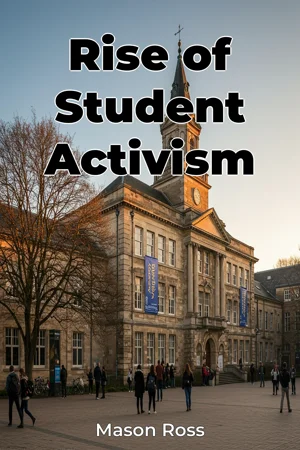
How have students, often dismissed as transient figures, indelibly shaped the course of history? "Rise of Student Activism" delves into the compelling narrative of how student movements have served as catalysts for profound social, political, and educational change across diverse historical periods and geographical locations. This book examines the multifaceted roles students have played in demanding educational rights, influencing policy changes, and triggering institutional reforms. Understanding student activism is crucial because it reveals the power of collective action among young people, provides insights into the dynamics of social movements, and highlights the ongoing struggle for a more just and equitable world. To fully comprehend the phenomenon of student activism, "Rise of Student Activism" provides necessary historical and social context. It explores the evolving role of education in society, tracing how access to knowledge and critical thinking skills have empowered students to challenge existing power structures. The book assumes a basic understanding of 20th and 21st-century history, particularly key events related to civil rights, anti-war movements, and educational policy shifts. The central argument of "Rise of Student Activism" is that student movements, despite their varied forms and objectives, consistently demonstrate the capacity of young people to drive meaningful change. The book asserts that student activism is not merely a fleeting phase of youthful rebellion but a sustained force that has repeatedly reshaped educational institutions and broader social landscapes. This argument is significant because it challenges the perception of students as passive recipients of knowledge and recognizes them as active agents of historical transformation. "Rise of Student Activism" is structured to provide a comprehensive overview of the topic. It begins by introducing the core concepts of student activism, including its diverse motivations, strategies, and impacts. The book then develops key themes through detailed case studies, examining significant student movements across different eras and regions. These include the Free Speech Movement at Berkeley, the anti-apartheid struggles in South Africa, and contemporary movements advocating for climate action and racial justice. Each case study analyzes the specific context, goals, tactics, and outcomes of the movement, highlighting both successes and failures. The culmination of the argument emphasizes the lasting legacy of student activism and its relevance to contemporary challenges. It also explores practical implications, such as how current students can learn from past movements and how institutions can better respond to student demands for change. The arguments presented in "Rise of Student Activism" are supported by a diverse range of evidence and research. This includes primary source materials such as student manifestos, organizational documents, and personal testimonies. It also draws upon secondary scholarly research in history, sociology, and education. The book utilizes quantitative data to analyze trends in student activism, such as rates of participation and the impact of protests on policy changes. "Rise of Student Activism" connects to other fields of study, including sociology, political science, and education. The sociological perspective helps to understand the social dynamics within student movements and their interactions with broader society. The political science perspective provides insights into the ways student activism influences policy-making and institutional governance. The connection to education highlights the role of schools and universities as sites of both oppression and resistance. These interdisciplinary connections enrich the book's analysis and provide a more nuanced understanding of the complex phenomenon of student activism. This book adopts an academic yet accessible tone, presenting complex ideas in a clear and engaging manner. The writing style is analytical and research-driven, while also incorporating compelling narratives and individual stories to bring the history of student activism to life. The target audience for "Rise of Student Activism" includes students, educators, historians, policy-makers, and anyone interested in social movements and youth activism. This book would be valuable to them because it provides a comprehensive and insightful analysis of a topic that is often overlooked or misunderstood. As an academic history, "Rise of Student Activism" adheres to scholarly standards of evidence and argumentation. While the book aims to provide a broad overview of student activism, it acknowledges certain limitations in scope. The focus is primarily on movements within formal educational settings, with less attention given to other forms of youth activism. The information in "Rise of Student Activism" can be applied practically by readers in various ways. Students can learn from the strategies and tactics of past movements to inform their own activism. Educators can use the book to teach about social change and civic engagement. Policy-makers can gain insights into the root causes of student unrest and develop more effective strategies for addressing student concerns. The book addresses ongoing debates in the field, such as the effectiveness of different forms of protest, the role of social media in contemporary student activism, and the challenges of achieving lasting institutional change. By examining these controversies, "Rise of Student Activism" encourages critical thinking and promotes a deeper understanding of the complexities of student activism.
How have students, often dismissed as transient figures, indelibly shaped the course of history? "Rise of Student Activism" delves into the compelling narrative of how student movements have served as catalysts for profound social, political, and educational change across diverse historical periods and geographical locations. This book examines the multifaceted roles students have played in demanding educational rights, influencing policy changes, and triggering institutional reforms. Understanding student activism is crucial because it reveals the power of collective action among young people, provides insights into the dynamics of social movements, and highlights the ongoing struggle for a more just and equitable world. To fully comprehend the phenomenon of student activism, "Rise of Student Activism" provides necessary historical and social context. It explores the evolving role of education in society, tracing how access to knowledge and critical thinking skills have empowered students to challenge existing power structures. The book assumes a basic understanding of 20th and 21st-century history, particularly key events related to civil rights, anti-war movements, and educational policy shifts. The central argument of "Rise of Student Activism" is that student movements, despite their varied forms and objectives, consistently demonstrate the capacity of young people to drive meaningful change. The book asserts that student activism is not merely a fleeting phase of youthful rebellion but a sustained force that has repeatedly reshaped educational institutions and broader social landscapes. This argument is significant because it challenges the perception of students as passive recipients of knowledge and recognizes them as active agents of historical transformation. "Rise of Student Activism" is structured to provide a comprehensive overview of the topic. It begins by introducing the core concepts of student activism, including its diverse motivations, strategies, and impacts. The book then develops key themes through detailed case studies, examining significant student movements across different eras and regions. These include the Free Speech Movement at Berkeley, the anti-apartheid struggles in South Africa, and contemporary movements advocating for climate action and racial justice. Each case study analyzes the specific context, goals, tactics, and outcomes of the movement, highlighting both successes and failures. The culmination of the argument emphasizes the lasting legacy of student activism and its relevance to contemporary challenges. It also explores practical implications, such as how current students can learn from past movements and how institutions can better respond to student demands for change. The arguments presented in "Rise of Student Activism" are supported by a diverse range of evidence and research. This includes primary source materials such as student manifestos, organizational documents, and personal testimonies. It also draws upon secondary scholarly research in history, sociology, and education. The book utilizes quantitative data to analyze trends in student activism, such as rates of participation and the impact of protests on policy changes. "Rise of Student Activism" connects to other fields of study, including sociology, political science, and education. The sociological perspective helps to understand the social dynamics within student movements and their interactions with broader society. The political science perspective provides insights into the ways student activism influences policy-making and institutional governance. The connection to education highlights the role of schools and universities as sites of both oppression and resistance. These interdisciplinary connections enrich the book's analysis and provide a more nuanced understanding of the complex phenomenon of student activism. This book adopts an academic yet accessible tone, presenting complex ideas in a clear and engaging manner. The writing style is analytical and research-driven, while also incorporating compelling narratives and individual stories to bring the history of student activism to life. The target audience for "Rise of Student Activism" includes students, educators, historians, policy-makers, and anyone interested in social movements and youth activism. This book would be valuable to them because it provides a comprehensive and insightful analysis of a topic that is often overlooked or misunderstood. As an academic history, "Rise of Student Activism" adheres to scholarly standards of evidence and argumentation. While the book aims to provide a broad overview of student activism, it acknowledges certain limitations in scope. The focus is primarily on movements within formal educational settings, with less attention given to other forms of youth activism. The information in "Rise of Student Activism" can be applied practically by readers in various ways. Students can learn from the strategies and tactics of past movements to inform their own activism. Educators can use the book to teach about social change and civic engagement. Policy-makers can gain insights into the root causes of student unrest and develop more effective strategies for addressing student concerns. The book addresses ongoing debates in the field, such as the effectiveness of different forms of protest, the role of social media in contemporary student activism, and the challenges of achieving lasting institutional change. By examining these controversies, "Rise of Student Activism" encourages critical thinking and promotes a deeper understanding of the complexities of student activism.
"Rise of Student Activism" explores student movements as vital drivers of social, political, and educational transformation throughout history. Challenging the notion of students as passive, the book reveals their powerful role in shaping educational institutions and broader social landscapes. From demanding educational rights to influencing policy changes, student activism demonstrates the capacity of young people to instigate meaningful change. The book examines how access to knowledge and critical thinking skills have empowered students to challenge existing power structures. The book progresses through core concepts and detailed case studies, such as the Berkeley Free Speech Movement and anti-apartheid struggles, analyzing their specific contexts, goals, and outcomes. It uses diverse evidence, including primary sources and scholarly research, to support its arguments. By connecting to fields like sociology and political science, the book provides a nuanced understanding of student activism and demonstrates its ongoing relevance to contemporary issues.
Book Details
ISBN
9788235224538
Publisher
Publifye AS
Your Licenses
You don't own any licenses for this book
Purchase a license below to unlock this book and download the EPUB.
Purchase License
Select a tier to unlock this book
Need bulk licensing?
Contact us for enterprise agreements.