
About This Book
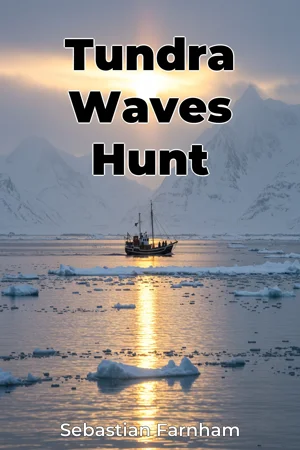
Can a centuries-old tradition survive the complexities of modern law and environmental concerns? "Tundra Waves Hunt" explores this question through the lens of Chukchi whaling in the Russian Arctic, examining the intricate interplay of history, politics, and indigenous rights. The book delves into how this ancient practice navigates the challenges of contemporary legal frameworks and international conservation efforts. This book focuses on three core themes: the historical significance of Chukchi whaling to the cultural identity and subsistence of the Chukchi people, the evolution of legal regulations governing whaling practices from the Soviet era to the present day, and the ongoing political negotiations between indigenous communities, Russian authorities, and international organizations regarding sustainable resource management. Understanding these themes is crucial for grasping the complexities of Arctic resource governance and the preservation of indigenous cultural heritage. The historical background encompasses centuries of Chukchi society reliant on whale hunting as a cornerstone of their economy, social structure, and spiritual beliefs. The book then transitions to the Soviet period, detailing how collectivization and centralized planning impacted traditional whaling practices. Finally, it examines the post-Soviet era, characterized by the rise of indigenous rights movements and the implementation of international conservation agreements. "Tundra Waves Hunt" argues that a balanced approach, respecting both indigenous rights and conservation goals, is essential for ensuring the long-term sustainability of Chukchi whaling. It posits that effective governance must incorporate traditional ecological knowledge alongside scientific data and legal frameworks to foster genuine collaboration and equitable outcomes. The book will first introduce the cultural and historical context of Chukchi whaling. It will then delve into the Soviet-era regulations and their consequences on traditional practices. The core of the analysis will focus on the post-Soviet legislative changes, the influence of international bodies like the International Whaling Commission (IWC), and the political negotiations surrounding quota allocations and monitoring programs. Finally, the book will culminate in a discussion of potential pathways for achieving a sustainable and culturally sensitive approach to managing Chukchi whaling in the future. The book will draw primarily on legal documents, government reports, scientific studies, and ethnographic research. Unique data sources will include interviews with Chukchi hunters and community leaders, archival materials from Russian institutions, and observations from fieldwork conducted in Chukotka. "Tundra Waves Hunt" is inherently interdisciplinary, connecting the fields of anthropology, law, and environmental science to create a holistic understanding of the subject matter. It also touches on political science through the analysis of power dynamics between indigenous communities and state actors, and on economics through the examination of subsistence economies in the Arctic. This interdisciplinary approach is essential for analyzing the multifaceted challenges and opportunities surrounding Chukchi whaling. This book offers a novel perspective by integrating legal analysis with ethnographic insights, providing a nuanced understanding of the challenges faced by Chukchi communities in navigating the complexities of modern resource management. It moves beyond simplistic narratives of conservation versus exploitation, offering a more balanced and informed perspective on the issue. The book adopts a fact-based, analytical approach, presenting information in a clear and objective manner. The writing style is accessible to a broad audience while maintaining academic rigor. The target audience includes students and scholars of Arctic studies, environmental law, indigenous rights, and Russian history. It will also be valuable to policymakers, conservation professionals, and anyone interested in the challenges of balancing cultural preservation with environmental sustainability. As a work of history and politics, the book adheres to the conventions of academic research, including rigorous sourcing, clear argumentation, and balanced presentation of evidence. It offers a historical analysis of legal and political developments related to Chukchi whaling. The book's scope is limited to Chukchi whaling in the Russian Arctic, although it draws comparisons to other indigenous whaling practices around the world. It does not delve into the broader issues of commercial whaling or the ethics of whale hunting in general, focusing specifically on the cultural and legal aspects of the Chukchi case. The information presented in the book can be applied in practice by policymakers seeking to develop more effective and equitable resource management policies in the Arctic. It can also inform the work of conservation organizations and indigenous advocacy groups. The book addresses ongoing debates surrounding the balance between indigenous rights and conservation goals, contributing to a more informed and nuanced discussion of these complex issues. It intends to offer a perspective in the discussion and not inflame the debates unnecessarily.
Can a centuries-old tradition survive the complexities of modern law and environmental concerns? "Tundra Waves Hunt" explores this question through the lens of Chukchi whaling in the Russian Arctic, examining the intricate interplay of history, politics, and indigenous rights. The book delves into how this ancient practice navigates the challenges of contemporary legal frameworks and international conservation efforts. This book focuses on three core themes: the historical significance of Chukchi whaling to the cultural identity and subsistence of the Chukchi people, the evolution of legal regulations governing whaling practices from the Soviet era to the present day, and the ongoing political negotiations between indigenous communities, Russian authorities, and international organizations regarding sustainable resource management. Understanding these themes is crucial for grasping the complexities of Arctic resource governance and the preservation of indigenous cultural heritage. The historical background encompasses centuries of Chukchi society reliant on whale hunting as a cornerstone of their economy, social structure, and spiritual beliefs. The book then transitions to the Soviet period, detailing how collectivization and centralized planning impacted traditional whaling practices. Finally, it examines the post-Soviet era, characterized by the rise of indigenous rights movements and the implementation of international conservation agreements. "Tundra Waves Hunt" argues that a balanced approach, respecting both indigenous rights and conservation goals, is essential for ensuring the long-term sustainability of Chukchi whaling. It posits that effective governance must incorporate traditional ecological knowledge alongside scientific data and legal frameworks to foster genuine collaboration and equitable outcomes. The book will first introduce the cultural and historical context of Chukchi whaling. It will then delve into the Soviet-era regulations and their consequences on traditional practices. The core of the analysis will focus on the post-Soviet legislative changes, the influence of international bodies like the International Whaling Commission (IWC), and the political negotiations surrounding quota allocations and monitoring programs. Finally, the book will culminate in a discussion of potential pathways for achieving a sustainable and culturally sensitive approach to managing Chukchi whaling in the future. The book will draw primarily on legal documents, government reports, scientific studies, and ethnographic research. Unique data sources will include interviews with Chukchi hunters and community leaders, archival materials from Russian institutions, and observations from fieldwork conducted in Chukotka. "Tundra Waves Hunt" is inherently interdisciplinary, connecting the fields of anthropology, law, and environmental science to create a holistic understanding of the subject matter. It also touches on political science through the analysis of power dynamics between indigenous communities and state actors, and on economics through the examination of subsistence economies in the Arctic. This interdisciplinary approach is essential for analyzing the multifaceted challenges and opportunities surrounding Chukchi whaling. This book offers a novel perspective by integrating legal analysis with ethnographic insights, providing a nuanced understanding of the challenges faced by Chukchi communities in navigating the complexities of modern resource management. It moves beyond simplistic narratives of conservation versus exploitation, offering a more balanced and informed perspective on the issue. The book adopts a fact-based, analytical approach, presenting information in a clear and objective manner. The writing style is accessible to a broad audience while maintaining academic rigor. The target audience includes students and scholars of Arctic studies, environmental law, indigenous rights, and Russian history. It will also be valuable to policymakers, conservation professionals, and anyone interested in the challenges of balancing cultural preservation with environmental sustainability. As a work of history and politics, the book adheres to the conventions of academic research, including rigorous sourcing, clear argumentation, and balanced presentation of evidence. It offers a historical analysis of legal and political developments related to Chukchi whaling. The book's scope is limited to Chukchi whaling in the Russian Arctic, although it draws comparisons to other indigenous whaling practices around the world. It does not delve into the broader issues of commercial whaling or the ethics of whale hunting in general, focusing specifically on the cultural and legal aspects of the Chukchi case. The information presented in the book can be applied in practice by policymakers seeking to develop more effective and equitable resource management policies in the Arctic. It can also inform the work of conservation organizations and indigenous advocacy groups. The book addresses ongoing debates surrounding the balance between indigenous rights and conservation goals, contributing to a more informed and nuanced discussion of these complex issues. It intends to offer a perspective in the discussion and not inflame the debates unnecessarily.
"Tundra Waves Hunt" explores the complex intersection of history, politics, and indigenous rights through the lens of Chukchi whaling in the Russian Arctic. It examines how this centuries-old tradition navigates modern legal frameworks and conservation efforts. The book highlights the crucial role of whaling in Chukchi cultural identity and subsistence, while also analyzing the evolution of regulations from the Soviet era to the present day. A key insight is the ongoing political negotiations between indigenous communities, Russian authorities, and international organizations like the IWC, concerning sustainable resource management. The book adopts an interdisciplinary approach, integrating anthropology, law, and environmental science to provide a holistic understanding. It moves chronologically, starting with the cultural and historical context, then examining Soviet-era regulations, and finally focusing on post-Soviet legislative changes and international influences. The book argues for a balanced approach that respects both indigenous rights and conservation goals, emphasizing the need to incorporate traditional ecological knowledge alongside scientific data.
Book Details
ISBN
9788235224378
Publisher
Publifye AS
Your Licenses
You don't own any licenses for this book
Purchase a license below to unlock this book and download the EPUB.
Purchase License
Select a tier to unlock this book
Need bulk licensing?
Contact us for enterprise agreements.