
About This Book
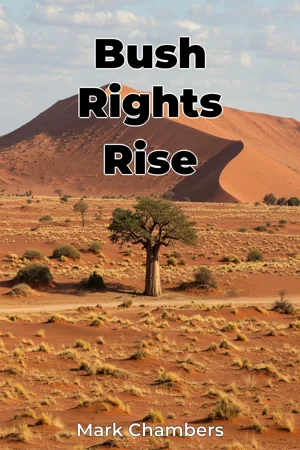
Can a people’s ancient connection to the land survive the relentless pressures of the modern world? *Bush Rights Rise* delves into the complex and often turbulent legal battles waged by the Bushmen, also known as the San, of Southern Africa as they fight to maintain their ancestral lands and way of life in the face of profound societal change. This book explores the intersection of history, politics, and human rights, examining the Bushmen's struggles for land rights, cultural preservation, and self-determination in the 20th and 21st centuries. The core of this work centers on three critical themes: the historical dispossession of the Bushmen from their traditional territories, the legal strategies employed by the Bushmen to reclaim their rights, and the impact of modernization on their unique cultural identity. These themes are crucial because they illuminate the broader challenges faced by indigenous populations worldwide as they navigate the complexities of globalization, resource extraction, and national development. Historically, the Bushmen have endured centuries of displacement, marginalization, and cultural erosion. Colonial land policies, coupled with post-colonial national agendas, have systematically denied them access to their ancestral lands and resources, leading to economic hardship and social disintegration. This book provides a detailed historical context, tracing the roots of the Bushmen's land claims to their deep-seated spiritual and economic ties to the land. The central argument of *Bush Rights Rise* is that the Bushmen's legal battles represent a crucial test case for indigenous rights in the 21st century. It posits that the success or failure of their claims will have far-reaching implications for other indigenous communities facing similar challenges around the globe. Furthermore, it argues that the Bushmen's struggle highlights the inherent tension between state sovereignty and the rights of marginalized populations. The book unfolds in a structured manner. Part one introduces the Bushmen, their history, and their current socio-political context. It examines their unique hunter-gatherer lifestyle and their profound connection to the land. Part two analyzes key legal cases in Botswana, Namibia, and South Africa, detailing the arguments presented by both sides and the outcomes of these landmark decisions. Part three investigates the impact of modernization, including the introduction of agriculture, tourism, and governmental policies, on the Bushmen's cultural identity and social structures. The book culminates with an assessment of the long-term prospects for the Bushmen's survival and the potential for sustainable development that respects their rights and cultural heritage. The analysis presented within *Bush Rights Rise* relies on diverse evidence including legal documents, anthropological studies, historical archives, and interviews with Bushmen community members, legal representatives, and government officials. Particular attention is paid to previously unexplored primary source materials, offering fresh insights into the intricacies of the Bushmen's legal battles. Interdisciplinary connections are vital to understanding the multifaceted nature of the Bushmen's struggle. Anthropology provides insights into their cultural beliefs and social structures. Law elucidates the legal frameworks governing indigenous rights. Political science examines the power dynamics between the Bushmen and the state. These interdisciplinary perspectives enrich the analysis and provide a more holistic understanding of the issues at stake. *Bush Rights Rise* takes a nuanced approach, recognizing the complexities of the Bushmen's situation and avoiding simplistic narratives. It acknowledges both the challenges and opportunities facing the Bushmen as they strive to maintain their cultural identity and secure their rights in a rapidly changing world. The book aims to be accessible to a broad audience, employing clear language and avoiding overly technical jargon. Though deeply researched, it is written in a narrative style that engages the reader and brings the Bushmen's stories to life. The target audience includes students and scholars of history, law, anthropology, and political science, as well as activists, policymakers, and anyone interested in indigenous rights and social justice. This book will be valuable for anyone who wants to understand the challenges faced by marginalized communities and the potential for legal and political action to promote social change. It adheres to the conventions of historical and political non-fiction, presenting a well-researched and balanced account of the Bushmen's struggle. The book's scope focuses specifically on the legal and political dimensions of the Bushmen's struggle for land rights in Southern Africa. It does not attempt to provide a comprehensive account of all aspects of Bushmen culture or history, but rather focuses on the specific issues related to land rights and self-determination. The information presented can be applied practically by readers to understand the legal and political challenges facing indigenous communities worldwide and to advocate for policies that respect their rights and promote their well-being. *Bush Rights Rise* addresses ongoing debates about the balance between indigenous rights and national development, the role of international law in protecting marginalized communities, and the effectiveness of legal strategies for achieving social change.
Can a people’s ancient connection to the land survive the relentless pressures of the modern world? *Bush Rights Rise* delves into the complex and often turbulent legal battles waged by the Bushmen, also known as the San, of Southern Africa as they fight to maintain their ancestral lands and way of life in the face of profound societal change. This book explores the intersection of history, politics, and human rights, examining the Bushmen's struggles for land rights, cultural preservation, and self-determination in the 20th and 21st centuries. The core of this work centers on three critical themes: the historical dispossession of the Bushmen from their traditional territories, the legal strategies employed by the Bushmen to reclaim their rights, and the impact of modernization on their unique cultural identity. These themes are crucial because they illuminate the broader challenges faced by indigenous populations worldwide as they navigate the complexities of globalization, resource extraction, and national development. Historically, the Bushmen have endured centuries of displacement, marginalization, and cultural erosion. Colonial land policies, coupled with post-colonial national agendas, have systematically denied them access to their ancestral lands and resources, leading to economic hardship and social disintegration. This book provides a detailed historical context, tracing the roots of the Bushmen's land claims to their deep-seated spiritual and economic ties to the land. The central argument of *Bush Rights Rise* is that the Bushmen's legal battles represent a crucial test case for indigenous rights in the 21st century. It posits that the success or failure of their claims will have far-reaching implications for other indigenous communities facing similar challenges around the globe. Furthermore, it argues that the Bushmen's struggle highlights the inherent tension between state sovereignty and the rights of marginalized populations. The book unfolds in a structured manner. Part one introduces the Bushmen, their history, and their current socio-political context. It examines their unique hunter-gatherer lifestyle and their profound connection to the land. Part two analyzes key legal cases in Botswana, Namibia, and South Africa, detailing the arguments presented by both sides and the outcomes of these landmark decisions. Part three investigates the impact of modernization, including the introduction of agriculture, tourism, and governmental policies, on the Bushmen's cultural identity and social structures. The book culminates with an assessment of the long-term prospects for the Bushmen's survival and the potential for sustainable development that respects their rights and cultural heritage. The analysis presented within *Bush Rights Rise* relies on diverse evidence including legal documents, anthropological studies, historical archives, and interviews with Bushmen community members, legal representatives, and government officials. Particular attention is paid to previously unexplored primary source materials, offering fresh insights into the intricacies of the Bushmen's legal battles. Interdisciplinary connections are vital to understanding the multifaceted nature of the Bushmen's struggle. Anthropology provides insights into their cultural beliefs and social structures. Law elucidates the legal frameworks governing indigenous rights. Political science examines the power dynamics between the Bushmen and the state. These interdisciplinary perspectives enrich the analysis and provide a more holistic understanding of the issues at stake. *Bush Rights Rise* takes a nuanced approach, recognizing the complexities of the Bushmen's situation and avoiding simplistic narratives. It acknowledges both the challenges and opportunities facing the Bushmen as they strive to maintain their cultural identity and secure their rights in a rapidly changing world. The book aims to be accessible to a broad audience, employing clear language and avoiding overly technical jargon. Though deeply researched, it is written in a narrative style that engages the reader and brings the Bushmen's stories to life. The target audience includes students and scholars of history, law, anthropology, and political science, as well as activists, policymakers, and anyone interested in indigenous rights and social justice. This book will be valuable for anyone who wants to understand the challenges faced by marginalized communities and the potential for legal and political action to promote social change. It adheres to the conventions of historical and political non-fiction, presenting a well-researched and balanced account of the Bushmen's struggle. The book's scope focuses specifically on the legal and political dimensions of the Bushmen's struggle for land rights in Southern Africa. It does not attempt to provide a comprehensive account of all aspects of Bushmen culture or history, but rather focuses on the specific issues related to land rights and self-determination. The information presented can be applied practically by readers to understand the legal and political challenges facing indigenous communities worldwide and to advocate for policies that respect their rights and promote their well-being. *Bush Rights Rise* addresses ongoing debates about the balance between indigenous rights and national development, the role of international law in protecting marginalized communities, and the effectiveness of legal strategies for achieving social change.
*Bush Rights Rise* explores the ongoing struggle of the Bushmen, also known as the San, in Southern Africa to preserve their ancestral lands and cultural identity amidst the pressures of modernization and globalization. The book delves into their historical dispossession, highlighting how colonial and post-colonial policies systematically denied them access to their traditional territories. It examines the legal battles they've waged to reclaim their land rights and achieve self-determination, revealing the complexities of balancing state sovereignty with the rights of marginalized populations. The book's unique value lies in its interdisciplinary approach, drawing from history, political science, and legal studies to provide a holistic understanding of the Bushmen's challenges. It analyzes key legal cases in Botswana, Namibia, and South Africa, showcasing the legal strategies employed and the outcomes of these landmark decisions. Furthermore, it investigates the impact of modernization on the Bushmen's cultural identity and social structures, offering fresh insights into the intricacies of their legal battles through previously unexplored primary source materials. The book progresses systematically, first introducing the Bushmen's history and socio-political context, then analyzing legal cases, and finally assessing the impact of modernization. This structured approach allows readers to grasp the multifaceted nature of the Bushmen's struggle and its implications for indigenous rights worldwide, emphasizing the importance of cultural preservation and sustainable development that respects the rights and cultural heritage of marginalized communities.
Book Details
ISBN
9788235224347
Publisher
Publifye AS
Your Licenses
You don't own any licenses for this book
Purchase a license below to unlock this book and download the EPUB.
Purchase License
Select a tier to unlock this book
Need bulk licensing?
Contact us for enterprise agreements.