
About This Book
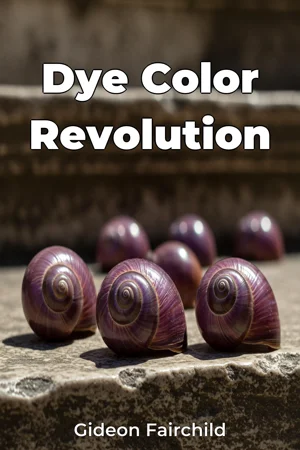
Imagine a world devoid of vibrant hues, where garments and artistry exist in shades of drab. This book, "Dye Color Revolution," unveils the captivating history and far-reaching economic impact of colorants, both natural and synthetic, tracing their influence from antiquity to the modern era. We delve into the epic story of how the pursuit, discovery, and production of dyes shaped economies, fueled trade routes, and even ignited wars. At its core, this book explores the economic and social reverberations of three pivotal color stories: purple, indigo and the rise of synthetic dyes. These pigments, coveted for their rarity, brilliance, or unique properties, became powerful commodities, leaving indelible marks on global economics and technological advancement. Their production and trade stimulated innovation in chemistry, agriculture, and manufacturing, sparking both prosperity and conflict. Understanding the significance of color requires a journey through history, touching upon the political landscapes of ancient empires that traded Tyrian purple, the agricultural systems that supported indigo cultivation, and the scientific breakthroughs that ushered in the age of synthetic dyes. No prior knowledge is strictly required, but an appreciation for historical narratives and economic principles will enrich the reading experience. Our central argument posits that color, far beyond its aesthetic value, functions as a dynamic economic force. The demand for specific dyes ignited global trade networks, fostered technological innovation, and reshaped societal structures. This book provides an interdisciplinary examination that highlights the pivotal roles that colorants have played in shaping our world. "Dye Color Revolution" unfolds in a structured narrative. First, the book introduces the concepts, from the history of natural dyes to the chemistry behind synthetic alternatives. It begins by introducing these main concepts in the realm of natural and synthetic dyes, setting the stage for the rest of the book. Secondly, the book explores the story of purple, specifically Tyrian purple derived from sea snails, illustrating its association with royalty and power, and its influence on ancient economies and social hierarchies. The next explores indigo, tracing the arduous process of its extraction from plants, its widespread cultivation, and the economic webs it spun across continents. The book will then examine the advent of synthetic dyes in the 19th century, a transformative period marked by groundbreaking chemical discoveries, industrial innovation, and the disruption of established natural dye industries. Finally, the book discusses the culmination of colorant revolution arguments, along with the practical applications and implications of the dye industry: environmental costs, and the future of sustainable color production. Our analysis draws upon a diverse range of primary and secondary sources. We will use historical texts, trade records, scientific publications, and patent documents to construct a comprehensive and nuanced account. The book also references museum collections and historical dye recipes, offering insights into production techniques. "Dye Color Revolution" transcends the boundaries of history and economics, forging connections to fields such as chemistry, botany, and art history. The chemical properties of dyes are relevant in the context of material science, the botanical aspects connect to agricultural practices, and the application of dyes in art links to creative expression and cultural identity. This book adopts a fact-based and analytical approach, avoiding hyperbole. We strive to present a balanced and thorough account of the colorant revolution, acknowledging both its triumphs and its drawbacks. The intended audience includes students and scholars of history, economics, chemistry, and fashion, as well as anyone with an interest in the story of color and its impact on human civilization. Readers will gain a deeper understanding of the intricate relationship between color, commerce, and culture. As a work of non-fiction, "Dye Color Revolution" adheres to principles of accuracy, objectivity, and sound scholarship. We present evidence-based arguments, cite sources meticulously, and strive for a balanced perspective on complex issues. While aiming for broad coverage, the book focuses primarily on specific pigments and historical periods that exemplify key trends and turning points in the colorant revolution. Certain geographical areas and dye types may receive less attention due to constraints of space and focus. Readers will emerge with a more profound understanding of the dye industry's far-reaching influences, from global economies to the environmental issues surrounding colorant production to the ever-evolving pursuit of color. The book addresses the ongoing debates surrounding the environmental impact of dye production and the pursuit of sustainable alternatives. We examine the push for eco-friendly dyes, greener manufacturing processes, and the ethical considerations.
Imagine a world devoid of vibrant hues, where garments and artistry exist in shades of drab. This book, "Dye Color Revolution," unveils the captivating history and far-reaching economic impact of colorants, both natural and synthetic, tracing their influence from antiquity to the modern era. We delve into the epic story of how the pursuit, discovery, and production of dyes shaped economies, fueled trade routes, and even ignited wars. At its core, this book explores the economic and social reverberations of three pivotal color stories: purple, indigo and the rise of synthetic dyes. These pigments, coveted for their rarity, brilliance, or unique properties, became powerful commodities, leaving indelible marks on global economics and technological advancement. Their production and trade stimulated innovation in chemistry, agriculture, and manufacturing, sparking both prosperity and conflict. Understanding the significance of color requires a journey through history, touching upon the political landscapes of ancient empires that traded Tyrian purple, the agricultural systems that supported indigo cultivation, and the scientific breakthroughs that ushered in the age of synthetic dyes. No prior knowledge is strictly required, but an appreciation for historical narratives and economic principles will enrich the reading experience. Our central argument posits that color, far beyond its aesthetic value, functions as a dynamic economic force. The demand for specific dyes ignited global trade networks, fostered technological innovation, and reshaped societal structures. This book provides an interdisciplinary examination that highlights the pivotal roles that colorants have played in shaping our world. "Dye Color Revolution" unfolds in a structured narrative. First, the book introduces the concepts, from the history of natural dyes to the chemistry behind synthetic alternatives. It begins by introducing these main concepts in the realm of natural and synthetic dyes, setting the stage for the rest of the book. Secondly, the book explores the story of purple, specifically Tyrian purple derived from sea snails, illustrating its association with royalty and power, and its influence on ancient economies and social hierarchies. The next explores indigo, tracing the arduous process of its extraction from plants, its widespread cultivation, and the economic webs it spun across continents. The book will then examine the advent of synthetic dyes in the 19th century, a transformative period marked by groundbreaking chemical discoveries, industrial innovation, and the disruption of established natural dye industries. Finally, the book discusses the culmination of colorant revolution arguments, along with the practical applications and implications of the dye industry: environmental costs, and the future of sustainable color production. Our analysis draws upon a diverse range of primary and secondary sources. We will use historical texts, trade records, scientific publications, and patent documents to construct a comprehensive and nuanced account. The book also references museum collections and historical dye recipes, offering insights into production techniques. "Dye Color Revolution" transcends the boundaries of history and economics, forging connections to fields such as chemistry, botany, and art history. The chemical properties of dyes are relevant in the context of material science, the botanical aspects connect to agricultural practices, and the application of dyes in art links to creative expression and cultural identity. This book adopts a fact-based and analytical approach, avoiding hyperbole. We strive to present a balanced and thorough account of the colorant revolution, acknowledging both its triumphs and its drawbacks. The intended audience includes students and scholars of history, economics, chemistry, and fashion, as well as anyone with an interest in the story of color and its impact on human civilization. Readers will gain a deeper understanding of the intricate relationship between color, commerce, and culture. As a work of non-fiction, "Dye Color Revolution" adheres to principles of accuracy, objectivity, and sound scholarship. We present evidence-based arguments, cite sources meticulously, and strive for a balanced perspective on complex issues. While aiming for broad coverage, the book focuses primarily on specific pigments and historical periods that exemplify key trends and turning points in the colorant revolution. Certain geographical areas and dye types may receive less attention due to constraints of space and focus. Readers will emerge with a more profound understanding of the dye industry's far-reaching influences, from global economies to the environmental issues surrounding colorant production to the ever-evolving pursuit of color. The book addresses the ongoing debates surrounding the environmental impact of dye production and the pursuit of sustainable alternatives. We examine the push for eco-friendly dyes, greener manufacturing processes, and the ethical considerations.
"Dye Color Revolution" explores the profound economic history and societal impact of colorants throughout time. It reveals how the quest for vibrant hues has shaped economies, trade routes, and technological advancements. Consider purple dye, once exclusively associated with royalty due to its rarity and the laborious process of extracting it from sea snails, which illustrates how color signified status and power in ancient societies. The book examines specific color stories, including the cultivation of indigo and the disruptive advent of synthetic dyes, which revolutionized the dye industry in the 19th century and had significant ramifications for established natural dye economies. The narrative unfolds by first introducing the history of natural dyes and the chemistry behind their synthetic counterparts. It then delves into the historical significance of purple, indigo, and synthetic dyes, before culminating in a discussion of the environmental costs and the future of sustainable color production. This book uniquely connects history, economics, and chemistry to provide a comprehensive view of how color, beyond mere aesthetics, functions as a dynamic economic force. By drawing upon historical texts, trade records, and scientific publications, "Dye Color Revolution" offers a balanced and insightful account suitable for anyone interested in the intersection of color, commerce, and culture.
Book Details
ISBN
9788235224316
Publisher
Publifye AS
Your Licenses
You don't own any licenses for this book
Purchase a license below to unlock this book and download the EPUB.
Purchase License
Select a tier to unlock this book
Need bulk licensing?
Contact us for enterprise agreements.