
About This Book
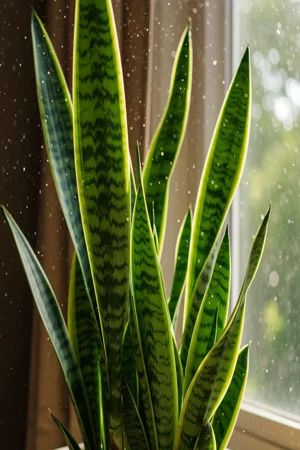
Are you aware that your indoor environment could be more polluted than the air outside? "Indoor Plants for Purity" is a comprehensive guide exploring the remarkable ability of houseplants to enhance indoor air quality and eliminate harmful toxins. This book delves into the science behind plant-based air purification, offering practical advice and evidence-based insights for creating a healthier living space. The core topics revolve around three central ideas: the science of phytoremediation, the identification of key plant species for air purification, and the practical application of these principles in home and office environments. Understanding these topics is crucial because indoor air pollution poses significant health risks, ranging from allergies and asthma to more serious long-term conditions. Recognizing the power of plants to combat these pollutants empowers individuals to take proactive steps towards a healthier lifestyle. We begin by establishing the context of indoor air pollution, discussing its sources, and evaluating its effects on human health. This includes examining common indoor pollutants such as formaldehyde, benzene, xylene, and trichloroethylene, which are emitted from everyday materials such as furniture, paint, and cleaning products. No prior knowledge is required, as we provide a clear introduction to basic concepts in botany, environmental science, and toxicology. The central argument of "Indoor Plants for Purity" is that strategic selection and placement of houseplants can significantly improve indoor air quality, contributing to a healthier and more sustainable living environment. This argument is important because it offers a tangible, accessible, and cost-effective solution to a widespread problem. The book is structured to guide readers through a clear learning path. It begins by introducing the concept of phytoremediation – the natural process by which plants remove pollutants from the air and soil. Then, it profiles a variety of plant species known for their air-purifying properties, detailing their specific benefits, care requirements, and optimal placement within the home. We will present information on plant physiology, explaining how plants absorb pollutants through their stomata and metabolize them within their tissues. It builds to a discussion of the practical application of this knowledge, offering actionable steps for readers to implement plant-based air purification strategies in their homes and offices. The culmination of the argument emphasizes the long-term benefits of integrating plants into indoor spaces, promoting environmental awareness, and fostering a connection with nature. To substantiate its claims, "Indoor Plants for Purity" draws upon scientific studies, research reports from governmental organizations like NASA and the EPA, and academic literature on plant biology and environmental science. Original data on plant-specific pollutant removal rates will be presented, compiling findings from various controlled environment studies. The book also connects to fields such as health and wellness, interior design, and sustainable living. It showcases the role of plants in reducing stress, enhancing productivity, and creating aesthetically pleasing indoor environments. These interdisciplinary connections enhance the book's argument by illustrating the multifaceted benefits of incorporating plants into daily life. What sets "Indoor Plants for Purity" apart is its emphasis on practical application and evidence-based recommendations. While other books may touch on the topic of houseplants, this book provides a thoroughly researched, actionable guide for optimizing indoor air quality through plant selection and care. The tone of the book is informative yet accessible, balancing scientific rigor with easy-to-understand explanations. The writing style is designed to appeal to a broad audience, from gardening enthusiasts to health-conscious individuals seeking to improve their living environment. The target audience includes homeowners, apartment dwellers, office workers, and anyone interested in improving their indoor air quality. The book would be valuable to them because it provides a comprehensive and practical guide to a topic of growing concern. As a work in the gardening and environment genres, the book emphasizes actionable advice based on ecological principles. The book focuses specifically on the use of houseplants for indoor air purification. While it acknowledges other methods of improving air quality, such as air purifiers and ventilation systems, its primary focus remains on the natural and sustainable approach offered by plants. The information in "Indoor Plants for Purity" can be applied directly by readers to improve the air quality in their homes and offices. This includes selecting appropriate plant species, optimizing their placement, and maintaining their health to maximize their air-purifying potential. While the scientific consensus supports the effectiveness of phytoremediation, there are ongoing debates regarding the extent of its impact in real-world settings. The book addresses these debates by presenting a balanced perspective, acknowledging the limitations of plant-based air purification while highlighting its significant benefits.
Are you aware that your indoor environment could be more polluted than the air outside? "Indoor Plants for Purity" is a comprehensive guide exploring the remarkable ability of houseplants to enhance indoor air quality and eliminate harmful toxins. This book delves into the science behind plant-based air purification, offering practical advice and evidence-based insights for creating a healthier living space. The core topics revolve around three central ideas: the science of phytoremediation, the identification of key plant species for air purification, and the practical application of these principles in home and office environments. Understanding these topics is crucial because indoor air pollution poses significant health risks, ranging from allergies and asthma to more serious long-term conditions. Recognizing the power of plants to combat these pollutants empowers individuals to take proactive steps towards a healthier lifestyle. We begin by establishing the context of indoor air pollution, discussing its sources, and evaluating its effects on human health. This includes examining common indoor pollutants such as formaldehyde, benzene, xylene, and trichloroethylene, which are emitted from everyday materials such as furniture, paint, and cleaning products. No prior knowledge is required, as we provide a clear introduction to basic concepts in botany, environmental science, and toxicology. The central argument of "Indoor Plants for Purity" is that strategic selection and placement of houseplants can significantly improve indoor air quality, contributing to a healthier and more sustainable living environment. This argument is important because it offers a tangible, accessible, and cost-effective solution to a widespread problem. The book is structured to guide readers through a clear learning path. It begins by introducing the concept of phytoremediation – the natural process by which plants remove pollutants from the air and soil. Then, it profiles a variety of plant species known for their air-purifying properties, detailing their specific benefits, care requirements, and optimal placement within the home. We will present information on plant physiology, explaining how plants absorb pollutants through their stomata and metabolize them within their tissues. It builds to a discussion of the practical application of this knowledge, offering actionable steps for readers to implement plant-based air purification strategies in their homes and offices. The culmination of the argument emphasizes the long-term benefits of integrating plants into indoor spaces, promoting environmental awareness, and fostering a connection with nature. To substantiate its claims, "Indoor Plants for Purity" draws upon scientific studies, research reports from governmental organizations like NASA and the EPA, and academic literature on plant biology and environmental science. Original data on plant-specific pollutant removal rates will be presented, compiling findings from various controlled environment studies. The book also connects to fields such as health and wellness, interior design, and sustainable living. It showcases the role of plants in reducing stress, enhancing productivity, and creating aesthetically pleasing indoor environments. These interdisciplinary connections enhance the book's argument by illustrating the multifaceted benefits of incorporating plants into daily life. What sets "Indoor Plants for Purity" apart is its emphasis on practical application and evidence-based recommendations. While other books may touch on the topic of houseplants, this book provides a thoroughly researched, actionable guide for optimizing indoor air quality through plant selection and care. The tone of the book is informative yet accessible, balancing scientific rigor with easy-to-understand explanations. The writing style is designed to appeal to a broad audience, from gardening enthusiasts to health-conscious individuals seeking to improve their living environment. The target audience includes homeowners, apartment dwellers, office workers, and anyone interested in improving their indoor air quality. The book would be valuable to them because it provides a comprehensive and practical guide to a topic of growing concern. As a work in the gardening and environment genres, the book emphasizes actionable advice based on ecological principles. The book focuses specifically on the use of houseplants for indoor air purification. While it acknowledges other methods of improving air quality, such as air purifiers and ventilation systems, its primary focus remains on the natural and sustainable approach offered by plants. The information in "Indoor Plants for Purity" can be applied directly by readers to improve the air quality in their homes and offices. This includes selecting appropriate plant species, optimizing their placement, and maintaining their health to maximize their air-purifying potential. While the scientific consensus supports the effectiveness of phytoremediation, there are ongoing debates regarding the extent of its impact in real-world settings. The book addresses these debates by presenting a balanced perspective, acknowledging the limitations of plant-based air purification while highlighting its significant benefits.
"Indoor Plants for Purity" explores the power of houseplants to combat indoor air pollution, a pressing issue given that indoor air can be more polluted than outdoor air. The book presents a comprehensive guide to using plants for air purification, focusing on phytoremediation—the natural process by which plants remove toxins. Readers will discover how specific plant species can significantly improve indoor air quality by absorbing pollutants like formaldehyde and benzene, common in many homes. The book walks readers through the science behind plant-based air purification, detailing how plants absorb pollutants and metabolize them. It identifies key plant species and offers practical guidance on their care and placement to maximize their air-purifying potential. What makes this book unique is its emphasis on actionable, evidence-based recommendations, drawing on scientific studies and research to provide a thorough and accessible guide for anyone seeking to enhance their home environment and promote sustainable living. "Indoor Plants for Purity" begins by establishing the context of indoor air pollution and its health effects. It then profiles various air-purifying plant species before discussing the practical application of this knowledge in homes and offices.
Book Details
ISBN
9788235223883
Publisher
Publifye AS
Your Licenses
You don't own any licenses for this book
Purchase a license below to unlock this book and download the EPUB.
Purchase License
Select a tier to unlock this book
Need bulk licensing?
Contact us for enterprise agreements.