
About This Book
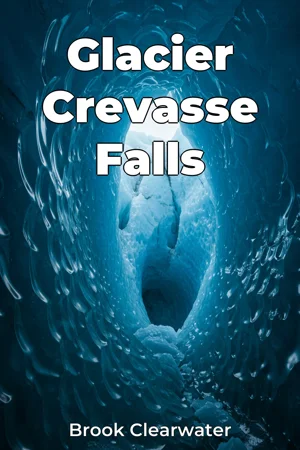
Have you ever considered the silent dangers lurking beneath the pristine surface of a glacier? "Glacier Crevasse Falls" delves into this perilous world, exploring the hidden ice cracks and the multifaceted challenges they pose to expeditions venturing into glacial environments. This book addresses two key topics: the formation, detection, and behavior of crevasses; and the complexities of search and rescue operations in these treacherous terrains. These topics are vital because glaciers, while breathtakingly beautiful, are inherently unstable and present significant risks to researchers, climbers, and adventurers alike. Understanding these risks and the methods to mitigate them is crucial for safe passage and effective rescue efforts. The book begins by providing a necessary foundation in glaciology, covering the basics of glacier formation, movement, and the processes that lead to crevasse development. We will examine the geological and climatic factors that contribute to the creation of these fissures, providing a historical context of how crevasse studies have evolved alongside our increasing exploration of glacial regions. A fundamental understanding of stress and strain within glacial ice is essential to grasp the unpredictable nature of crevasse formation. The central argument of "Glacier Crevasse Falls" is that a comprehensive understanding of crevasse dynamics, coupled with advanced rescue techniques and appropriate safety protocols, is paramount to minimizing risk and maximizing the success rate of rescue operations in glacial environments. This argument is of utmost importance considering the increasing number of expeditions into glacier regions, driven by both scientific inquiry and recreational pursuits. The book is structured to logically build upon foundational knowledge. Initially, we will introduce the different types of crevasses, detailing their formation mechanisms and characteristics. Following this, we will dedicate chapters to advanced technologies used in crevasse detection, including ground-penetrating radar, satellite imagery analysis, and drone-based surveying. This section will highlight the strengths and limitations of each method. A subsequent section will focus on the evolution of rescue techniques, from traditional rope-based systems to modern approaches incorporating specialized equipment and medical protocols for hypothermia and trauma management. The culmination of these discussions will be a detailed analysis of real-world case studies, showcasing successful rescue operations, as well as instances where failures occurred, extracting key learning points from each. Finally, we will explore practical applications of this knowledge, including the development of improved safety guidelines for expeditions and training programs for rescue teams. The book's arguments are supported by a combination of scientific literature, field research data, and firsthand accounts from experienced mountaineers and rescue professionals. We will present unique datasets obtained from long-term crevasse monitoring projects, including ice movement rates and temperature profiles, and will reference government agencies and research institutions. "Glacier Crevasse Falls" sits at the intersection of several disciplines. It draws heavily from Earth Sciences and Geography in its study of glacial formations and landscape dynamics. It also connects to Engineering through the analysis of stress and strain on ice, and the design of rescue equipment. Finally, it connects to the field of Emergency Medicine through understanding the physiological impacts of glacial environments on the human body and the implementation of effective rescue protocols. These interdisciplinary connections enrich the book's perspective. This book offers a novel perspective by integrating scientific analysis of crevasse formation with practical insights into rescue operations and the experience of individuals who have navigated these hazardous environments. It is written in an accessible style, balancing scientific rigor with clear explanations. The target audience includes students and researchers in glaciology, geography, and related fields; mountaineering enthusiasts and expedition leaders; search and rescue professionals; and anyone with an interest in the challenges and risks associated with glacial environments. It is valuable to them by providing a comprehensive overview that can enhance their understanding and safety. As a work within the genres of Earth Sciences Geography and Adventure, "Glacier Crevasse Falls" maintains a commitment to scientific accuracy while incorporating gripping narratives of real-world expeditions and rescue attempts. The scope of the book is comprehensive regarding crevasse characterization and rescue efforts. However, it intentionally limits its focus on the broader impacts of glacial retreat due to climate change, concentrating instead on the immediate hazards posed by crevasses. The information contained within this book has real-world applications for expedition planning, risk assessment, and the development of enhanced safety protocols. It can also be used to inform the design of more effective rescue equipment and training programs. While the fundamental principles governing crevasse formation are well-established, debates continue regarding the most effective methods for crevasse detection and the optimal approaches to glacier rescue in specific environmental conditions. This book will address some of these ongoing discussions.
Have you ever considered the silent dangers lurking beneath the pristine surface of a glacier? "Glacier Crevasse Falls" delves into this perilous world, exploring the hidden ice cracks and the multifaceted challenges they pose to expeditions venturing into glacial environments. This book addresses two key topics: the formation, detection, and behavior of crevasses; and the complexities of search and rescue operations in these treacherous terrains. These topics are vital because glaciers, while breathtakingly beautiful, are inherently unstable and present significant risks to researchers, climbers, and adventurers alike. Understanding these risks and the methods to mitigate them is crucial for safe passage and effective rescue efforts. The book begins by providing a necessary foundation in glaciology, covering the basics of glacier formation, movement, and the processes that lead to crevasse development. We will examine the geological and climatic factors that contribute to the creation of these fissures, providing a historical context of how crevasse studies have evolved alongside our increasing exploration of glacial regions. A fundamental understanding of stress and strain within glacial ice is essential to grasp the unpredictable nature of crevasse formation. The central argument of "Glacier Crevasse Falls" is that a comprehensive understanding of crevasse dynamics, coupled with advanced rescue techniques and appropriate safety protocols, is paramount to minimizing risk and maximizing the success rate of rescue operations in glacial environments. This argument is of utmost importance considering the increasing number of expeditions into glacier regions, driven by both scientific inquiry and recreational pursuits. The book is structured to logically build upon foundational knowledge. Initially, we will introduce the different types of crevasses, detailing their formation mechanisms and characteristics. Following this, we will dedicate chapters to advanced technologies used in crevasse detection, including ground-penetrating radar, satellite imagery analysis, and drone-based surveying. This section will highlight the strengths and limitations of each method. A subsequent section will focus on the evolution of rescue techniques, from traditional rope-based systems to modern approaches incorporating specialized equipment and medical protocols for hypothermia and trauma management. The culmination of these discussions will be a detailed analysis of real-world case studies, showcasing successful rescue operations, as well as instances where failures occurred, extracting key learning points from each. Finally, we will explore practical applications of this knowledge, including the development of improved safety guidelines for expeditions and training programs for rescue teams. The book's arguments are supported by a combination of scientific literature, field research data, and firsthand accounts from experienced mountaineers and rescue professionals. We will present unique datasets obtained from long-term crevasse monitoring projects, including ice movement rates and temperature profiles, and will reference government agencies and research institutions. "Glacier Crevasse Falls" sits at the intersection of several disciplines. It draws heavily from Earth Sciences and Geography in its study of glacial formations and landscape dynamics. It also connects to Engineering through the analysis of stress and strain on ice, and the design of rescue equipment. Finally, it connects to the field of Emergency Medicine through understanding the physiological impacts of glacial environments on the human body and the implementation of effective rescue protocols. These interdisciplinary connections enrich the book's perspective. This book offers a novel perspective by integrating scientific analysis of crevasse formation with practical insights into rescue operations and the experience of individuals who have navigated these hazardous environments. It is written in an accessible style, balancing scientific rigor with clear explanations. The target audience includes students and researchers in glaciology, geography, and related fields; mountaineering enthusiasts and expedition leaders; search and rescue professionals; and anyone with an interest in the challenges and risks associated with glacial environments. It is valuable to them by providing a comprehensive overview that can enhance their understanding and safety. As a work within the genres of Earth Sciences Geography and Adventure, "Glacier Crevasse Falls" maintains a commitment to scientific accuracy while incorporating gripping narratives of real-world expeditions and rescue attempts. The scope of the book is comprehensive regarding crevasse characterization and rescue efforts. However, it intentionally limits its focus on the broader impacts of glacial retreat due to climate change, concentrating instead on the immediate hazards posed by crevasses. The information contained within this book has real-world applications for expedition planning, risk assessment, and the development of enhanced safety protocols. It can also be used to inform the design of more effective rescue equipment and training programs. While the fundamental principles governing crevasse formation are well-established, debates continue regarding the most effective methods for crevasse detection and the optimal approaches to glacier rescue in specific environmental conditions. This book will address some of these ongoing discussions.
"Glacier Crevasse Falls" explores the hidden dangers within glacial environments, focusing on glacier crevasses and the challenges they pose to expeditions and rescue teams. It examines the formation, detection, and behavior of these dangerous ice cracks, which can be surprisingly deep and unpredictable. A key insight is the critical role of understanding glacial dynamics in ensuring safety, especially as more people venture into these regions. The book highlights the evolution of crevasse studies and rescue techniques, emphasizing the importance of a comprehensive approach to minimize risks. The book progresses logically, starting with the fundamentals of glaciology and crevasse formation. It then delves into advanced detection technologies like ground-penetrating radar and drone-based surveying, discussing their strengths and limitations. The evolution of rescue techniques, from traditional rope systems to modern medical protocols for hypothermia, is also covered. Through real-world case studies, the book analyzes both successful rescue operations and failures, offering valuable lessons for improving safety guidelines and training programs. This book uniquely combines scientific analysis with practical insights, making it valuable for students, researchers, mountaineers, and rescue professionals interested in Earth Sciences, Geography, and Adventure. By integrating diverse information sources, including field research data and firsthand accounts, "Glacier Crevasse Falls" provides a comprehensive overview of crevasse hazards and rescue efforts, promoting a greater understanding of these treacherous glacial terrains.
Book Details
ISBN
9788235223876
Publisher
Publifye AS
Your Licenses
You don't own any licenses for this book
Purchase a license below to unlock this book and download the EPUB.
Purchase License
Select a tier to unlock this book
Need bulk licensing?
Contact us for enterprise agreements.