
About This Book
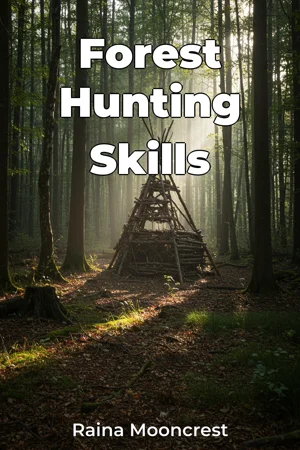
How do ancient traditions shape modern life, particularly in the hidden corners of our forests where communities still rely on hunting for sustenance and survival? "Forest Hunting Skills" explores the intricate relationship between forest communities and their environment, focusing on the hunting methods employed and the vital role of family cooperation in these practices. This book delves into the heart of a way of life that is both deeply rooted in tradition and constantly adapting to the pressures of the modern world. This book addresses two key topics: the specific techniques and strategies used in forest hunting, and the crucial role of family units in the transmission of these skills and the organization of hunting activities. Understanding these topics is essential for comprehending the cultural and ecological dynamics of forest communities, as well as the challenges they face in maintaining their way of life in the face of deforestation, changing wildlife populations, and encroaching modernization. We provide historical context by exploring the evolution of hunting practices over generations, tracing how traditional methods have been adapted and refined through experience and passed down through family lines. We also examine the social structures of forest communities, emphasizing the significance of kinship and cooperation in ensuring successful hunts and the equitable distribution of resources. No prior specialized knowledge is required to grasp these narratives. Our central argument is that forest hunting skills are not merely a set of technical abilities, but rather a complex system of knowledge, practices, and social relationships that are essential for the survival and cultural identity of forest communities. We contend that the family unit serves as the primary vehicle for transmitting this knowledge, ensuring its continuity across generations and adapting it to changing environmental conditions. The book is structured to provide a comprehensive understanding of these dynamics. First, we introduce the main concepts of traditional hunting practices and family cooperation, providing a framework for understanding the subsequent chapters. The book then delves into specific hunting techniques, examining the tools used, the strategies employed for tracking and capturing prey, and the ethical considerations that guide hunting practices. Subsequent chapters explore the role of family units in organizing hunts, distributing resources, and transmitting knowledge to younger generations. Finally, we examine the implications of these practices for the conservation of biodiversity and the sustainable management of forest resources. The arguments presented will be supported by a variety of evidence, including ethnographic data collected through interviews and participant observation in forest communities, historical accounts of hunting practices, and ecological studies of wildlife populations and forest ecosystems. We utilize unique data sources, such as oral histories and traditional ecological knowledge, to provide a nuanced and contextualized understanding of hunting practices. This book connects to a range of interdisciplinary fields, including anthropology, ecology, and conservation biology. By bridging these disciplines, we aim to provide a holistic perspective on the complex relationship between humans and nature. These connections enhance the book’s argument by demonstrating the broader relevance of hunting practices for understanding human behavior, ecological processes, and sustainable development. "Forest Hunting Skills" offers a unique perspective by examining hunting practices not just as a means of obtaining food, but as a cultural institution that shapes social relationships, ecological knowledge, and community identity. This book adopts an academic yet accessible writing style, aiming to engage both scholars and general readers who are interested in learning about the lives and cultures of forest communities. The target audience includes students and researchers in anthropology, ecology, and environmental studies, as well as anyone interested in learning about traditional cultures and sustainable livelihoods. This book offers valuable insights into the challenges and opportunities facing forest communities in the 21st century, as well as practical lessons for promoting conservation and sustainable development. As a work of social and nature science, this book adheres to the genre's conventions by presenting empirical evidence, rigorous analysis, and clear argumentation grounded in research and data. The scope of this book is limited to forest communities that rely on hunting as a significant source of sustenance and cultural identity. While we acknowledge the diversity of hunting practices around the world, we focus on the specific context of forest environments in order to provide a detailed and nuanced analysis. The information presented can be applied to real-world contexts by informing conservation efforts, promoting sustainable resource management practices, and empowering forest communities to maintain their cultural traditions and livelihoods. Finally, this book addresses ongoing debates about the role of hunting in conservation, challenging the simplistic view that hunting is inherently detrimental to wildlife populations. By highlighting the sustainable practices of forest communities, we aim to promote a more nuanced understanding of the complex relationship between humans and nature.
How do ancient traditions shape modern life, particularly in the hidden corners of our forests where communities still rely on hunting for sustenance and survival? "Forest Hunting Skills" explores the intricate relationship between forest communities and their environment, focusing on the hunting methods employed and the vital role of family cooperation in these practices. This book delves into the heart of a way of life that is both deeply rooted in tradition and constantly adapting to the pressures of the modern world. This book addresses two key topics: the specific techniques and strategies used in forest hunting, and the crucial role of family units in the transmission of these skills and the organization of hunting activities. Understanding these topics is essential for comprehending the cultural and ecological dynamics of forest communities, as well as the challenges they face in maintaining their way of life in the face of deforestation, changing wildlife populations, and encroaching modernization. We provide historical context by exploring the evolution of hunting practices over generations, tracing how traditional methods have been adapted and refined through experience and passed down through family lines. We also examine the social structures of forest communities, emphasizing the significance of kinship and cooperation in ensuring successful hunts and the equitable distribution of resources. No prior specialized knowledge is required to grasp these narratives. Our central argument is that forest hunting skills are not merely a set of technical abilities, but rather a complex system of knowledge, practices, and social relationships that are essential for the survival and cultural identity of forest communities. We contend that the family unit serves as the primary vehicle for transmitting this knowledge, ensuring its continuity across generations and adapting it to changing environmental conditions. The book is structured to provide a comprehensive understanding of these dynamics. First, we introduce the main concepts of traditional hunting practices and family cooperation, providing a framework for understanding the subsequent chapters. The book then delves into specific hunting techniques, examining the tools used, the strategies employed for tracking and capturing prey, and the ethical considerations that guide hunting practices. Subsequent chapters explore the role of family units in organizing hunts, distributing resources, and transmitting knowledge to younger generations. Finally, we examine the implications of these practices for the conservation of biodiversity and the sustainable management of forest resources. The arguments presented will be supported by a variety of evidence, including ethnographic data collected through interviews and participant observation in forest communities, historical accounts of hunting practices, and ecological studies of wildlife populations and forest ecosystems. We utilize unique data sources, such as oral histories and traditional ecological knowledge, to provide a nuanced and contextualized understanding of hunting practices. This book connects to a range of interdisciplinary fields, including anthropology, ecology, and conservation biology. By bridging these disciplines, we aim to provide a holistic perspective on the complex relationship between humans and nature. These connections enhance the book’s argument by demonstrating the broader relevance of hunting practices for understanding human behavior, ecological processes, and sustainable development. "Forest Hunting Skills" offers a unique perspective by examining hunting practices not just as a means of obtaining food, but as a cultural institution that shapes social relationships, ecological knowledge, and community identity. This book adopts an academic yet accessible writing style, aiming to engage both scholars and general readers who are interested in learning about the lives and cultures of forest communities. The target audience includes students and researchers in anthropology, ecology, and environmental studies, as well as anyone interested in learning about traditional cultures and sustainable livelihoods. This book offers valuable insights into the challenges and opportunities facing forest communities in the 21st century, as well as practical lessons for promoting conservation and sustainable development. As a work of social and nature science, this book adheres to the genre's conventions by presenting empirical evidence, rigorous analysis, and clear argumentation grounded in research and data. The scope of this book is limited to forest communities that rely on hunting as a significant source of sustenance and cultural identity. While we acknowledge the diversity of hunting practices around the world, we focus on the specific context of forest environments in order to provide a detailed and nuanced analysis. The information presented can be applied to real-world contexts by informing conservation efforts, promoting sustainable resource management practices, and empowering forest communities to maintain their cultural traditions and livelihoods. Finally, this book addresses ongoing debates about the role of hunting in conservation, challenging the simplistic view that hunting is inherently detrimental to wildlife populations. By highlighting the sustainable practices of forest communities, we aim to promote a more nuanced understanding of the complex relationship between humans and nature.
"Forest Hunting Skills" explores the intricate relationship between forest communities and their environment, focusing on traditional hunting practices and the vital role of family cooperation. The book argues that these skills are not merely technical abilities but a complex system of knowledge essential for the survival and cultural identity of these communities. One intriguing insight is how hunting practices have evolved over generations, adapting to environmental changes while maintaining core traditions. Another is the significance of kinship in organizing hunts and ensuring the equitable distribution of resources. The book adopts an academic yet accessible style, engaging readers interested in both social science and nature. It begins by introducing the main concepts of traditional hunting and family cooperation. Later chapters delve into specific hunting techniques, tools, and ethical considerations, while also exploring the role of family units in organizing hunts and transmitting knowledge. The book concludes by examining the implications of these practices for conservation and sustainable management, offering a nuanced perspective on the complex relationship between humans and nature.
Book Details
ISBN
9788235223852
Publisher
Publifye AS
Your Licenses
You don't own any licenses for this book
Purchase a license below to unlock this book and download the EPUB.
Purchase License
Select a tier to unlock this book
Need bulk licensing?
Contact us for enterprise agreements.