
About This Book
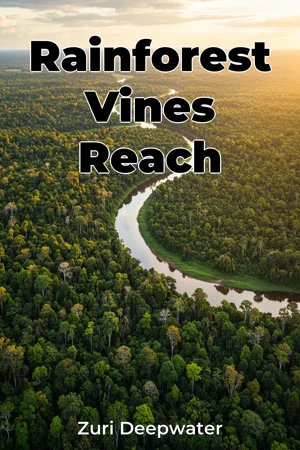
Can the ancestral wisdom of an indigenous people be amplified by modern technology to protect one of the world's most vital ecosystems? "Rainforest Vines Reach" explores the innovative ways the Kayapo people of the Amazon are using media technologies to safeguard their ancestral lands and combat deforestation, offering a compelling case study in the intersection of technology, conservation, and indigenous rights. This book delves into three main themes: the Kayapo's historical struggle to protect their territory, their strategic adoption of media technologies, and the broader implications of their approach for global conservation efforts. These themes are vital because they showcase a successful model of indigenous-led conservation that challenges conventional top-down approaches, emphasizing the importance of cultural preservation and self-determination in environmental protection. Understanding the Kayapo's experience can inform conservation strategies worldwide, offering solutions to the pressing global challenges of deforestation and biodiversity loss. The book provides a historical overview of the Kayapo people, detailing their long history of resistance against external threats, from rubber tappers to modern-day loggers and miners. It establishes the cultural context necessary for understanding their deep connection to the land and their motivation for adopting new technologies. Additionally, the book explores basic concepts of environmental conservation and the specific threats facing the Amazon rainforest, as well as introductory information about digital media tools and their accessibility in remote regions. The central argument of "Rainforest Vines Reach" is that the Kayapo's integration of media technology into their traditional practices represents a powerful and effective strategy for protecting their forests and asserting their rights. This argument is significant because it challenges the assumption that indigenous communities are passive victims of environmental destruction, highlighting their agency and innovation in the face of global threats. The book unfolds in three parts. First, it introduces the Kayapo people, their history, and the threats they face. Second, it examines the Kayapo's media usage, detailing how they use video cameras, drones, social media, and other tools to monitor their territory, document illegal activities, and communicate with the outside world. This section will analyze the impact of these technologies on deforestation rates, community empowerment, and international advocacy. Third, it explores the broader implications of the Kayapo model for other indigenous communities and conservation efforts worldwide, discussing the challenges and opportunities of scaling up this approach. It culminates by arguing that recognizing and supporting indigenous-led conservation is crucial for achieving global sustainability goals. The book will present evidence from fieldwork conducted in Kayapo communities, including interviews, observations, and analysis of media content produced by the Kayapo. It will also draw on existing research in anthropology, environmental studies, and media studies to support its arguments. Unique data sources include Kayapo-produced videos and social media posts documenting deforestation and illegal activities, providing firsthand accounts of their struggles and successes. The book connects to several interdisciplinary fields, including anthropology, environmental science, and media studies. Anthropological insights will provide a deeper understanding of Kayapo culture and social structures. Environmental science research will offer a scientific basis for the importance of rainforest conservation. Media studies frameworks will analyze the impact of technology on social change and environmental advocacy. These interdisciplinary connections strengthen the book's argument by providing a holistic understanding of the Kayapo's experiences and the potential of their approach. "Rainforest Vines Reach" offers a fresh perspective by centering the voices and experiences of the Kayapo people, presenting their use of media technology not just as a tool for conservation but as an expression of their cultural resilience and self-determination. This approach sets it apart from traditional conservation narratives that often overlook the role of indigenous communities. The book adopts a narrative non-fiction style, blending academic rigor with engaging storytelling to make the information accessible to a broad audience. It aims to be informative and thought-provoking, presenting complex issues in a clear and compelling manner. The target audience includes students and scholars in environmental studies, anthropology, and media studies, as well as conservation practitioners, policymakers, and anyone interested in indigenous rights and environmental protection. This book is valuable to them because it provides a real-world example of how technology can be used to empower indigenous communities and protect vital ecosystems. As a work in the genres of Technology and Conservation & Protection, “Rainforest Vines Reach” will adhere to the highest standards of accuracy and rigor while maintaining an engaging and accessible narrative style suitable for a broad readership. The book's scope is limited to the Kayapo people's experience in the Brazilian Amazon, but it draws broader lessons for indigenous-led conservation worldwide. It does not delve deeply into the technical aspects of each media tool but focuses on their social and environmental impact. The information in this book can be applied practically by conservation organizations seeking to partner with indigenous communities, policymakers developing environmental regulations, and indigenous communities looking to adopt similar strategies for protecting their lands and cultures. While the Kayapo's approach has been largely successful, there are ongoing debates about the role of technology in indigenous cultures and the challenges of balancing traditional practices with modern tools. The book addresses these controversies by presenting a balanced perspective, acknowledging the potential risks and limitations of technology while highlighting its transformative potential.
Can the ancestral wisdom of an indigenous people be amplified by modern technology to protect one of the world's most vital ecosystems? "Rainforest Vines Reach" explores the innovative ways the Kayapo people of the Amazon are using media technologies to safeguard their ancestral lands and combat deforestation, offering a compelling case study in the intersection of technology, conservation, and indigenous rights. This book delves into three main themes: the Kayapo's historical struggle to protect their territory, their strategic adoption of media technologies, and the broader implications of their approach for global conservation efforts. These themes are vital because they showcase a successful model of indigenous-led conservation that challenges conventional top-down approaches, emphasizing the importance of cultural preservation and self-determination in environmental protection. Understanding the Kayapo's experience can inform conservation strategies worldwide, offering solutions to the pressing global challenges of deforestation and biodiversity loss. The book provides a historical overview of the Kayapo people, detailing their long history of resistance against external threats, from rubber tappers to modern-day loggers and miners. It establishes the cultural context necessary for understanding their deep connection to the land and their motivation for adopting new technologies. Additionally, the book explores basic concepts of environmental conservation and the specific threats facing the Amazon rainforest, as well as introductory information about digital media tools and their accessibility in remote regions. The central argument of "Rainforest Vines Reach" is that the Kayapo's integration of media technology into their traditional practices represents a powerful and effective strategy for protecting their forests and asserting their rights. This argument is significant because it challenges the assumption that indigenous communities are passive victims of environmental destruction, highlighting their agency and innovation in the face of global threats. The book unfolds in three parts. First, it introduces the Kayapo people, their history, and the threats they face. Second, it examines the Kayapo's media usage, detailing how they use video cameras, drones, social media, and other tools to monitor their territory, document illegal activities, and communicate with the outside world. This section will analyze the impact of these technologies on deforestation rates, community empowerment, and international advocacy. Third, it explores the broader implications of the Kayapo model for other indigenous communities and conservation efforts worldwide, discussing the challenges and opportunities of scaling up this approach. It culminates by arguing that recognizing and supporting indigenous-led conservation is crucial for achieving global sustainability goals. The book will present evidence from fieldwork conducted in Kayapo communities, including interviews, observations, and analysis of media content produced by the Kayapo. It will also draw on existing research in anthropology, environmental studies, and media studies to support its arguments. Unique data sources include Kayapo-produced videos and social media posts documenting deforestation and illegal activities, providing firsthand accounts of their struggles and successes. The book connects to several interdisciplinary fields, including anthropology, environmental science, and media studies. Anthropological insights will provide a deeper understanding of Kayapo culture and social structures. Environmental science research will offer a scientific basis for the importance of rainforest conservation. Media studies frameworks will analyze the impact of technology on social change and environmental advocacy. These interdisciplinary connections strengthen the book's argument by providing a holistic understanding of the Kayapo's experiences and the potential of their approach. "Rainforest Vines Reach" offers a fresh perspective by centering the voices and experiences of the Kayapo people, presenting their use of media technology not just as a tool for conservation but as an expression of their cultural resilience and self-determination. This approach sets it apart from traditional conservation narratives that often overlook the role of indigenous communities. The book adopts a narrative non-fiction style, blending academic rigor with engaging storytelling to make the information accessible to a broad audience. It aims to be informative and thought-provoking, presenting complex issues in a clear and compelling manner. The target audience includes students and scholars in environmental studies, anthropology, and media studies, as well as conservation practitioners, policymakers, and anyone interested in indigenous rights and environmental protection. This book is valuable to them because it provides a real-world example of how technology can be used to empower indigenous communities and protect vital ecosystems. As a work in the genres of Technology and Conservation & Protection, “Rainforest Vines Reach” will adhere to the highest standards of accuracy and rigor while maintaining an engaging and accessible narrative style suitable for a broad readership. The book's scope is limited to the Kayapo people's experience in the Brazilian Amazon, but it draws broader lessons for indigenous-led conservation worldwide. It does not delve deeply into the technical aspects of each media tool but focuses on their social and environmental impact. The information in this book can be applied practically by conservation organizations seeking to partner with indigenous communities, policymakers developing environmental regulations, and indigenous communities looking to adopt similar strategies for protecting their lands and cultures. While the Kayapo's approach has been largely successful, there are ongoing debates about the role of technology in indigenous cultures and the challenges of balancing traditional practices with modern tools. The book addresses these controversies by presenting a balanced perspective, acknowledging the potential risks and limitations of technology while highlighting its transformative potential.
"Rainforest Vines Reach" examines the Kayapo people's innovative use of media technology in the Amazon rainforest to combat deforestation and assert indigenous rights, offering a unique model for environmental protection. The book details how the Kayapo strategically employ video cameras, drones, and social media to monitor their territory and document illegal activities. This approach not only empowers the community but also challenges conventional conservation methods, highlighting the importance of cultural preservation in environmental efforts. The book unfolds in three distinct parts: first, introducing the Kayapo and the threats they face; second, analyzing their media usage and its impact; and third, exploring the broader implications of the Kayapo model for global conservation. It argues that the Kayapo's integration of technology with traditional practices is a powerful strategy for safeguarding their forests and asserting their rights. One intriguing fact is the Kayapo's effective use of social media to communicate with the outside world, raising awareness about deforestation and garnering international support. By centering the voices of the Kayapo, "Rainforest Vines Reach" offers a fresh perspective on conservation. It demonstrates how technology can be a tool for cultural resilience and self-determination. The book emphasizes the importance of recognizing and supporting indigenous-led conservation as crucial for achieving global sustainability goals.
Book Details
ISBN
9788235223715
Publisher
Publifye AS
Your Licenses
You don't own any licenses for this book
Purchase a license below to unlock this book and download the EPUB.
Purchase License
Select a tier to unlock this book
Need bulk licensing?
Contact us for enterprise agreements.