
About This Book
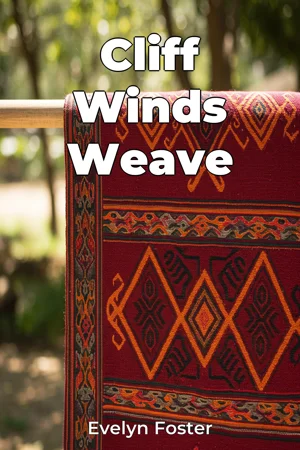
Can ancient traditions find new life in the modern marketplace? "Cliff Winds Weave" explores the intricate relationship between Aymara weaving traditions and the global demand for unique, handcrafted goods. This book examines the cultural significance, economic impact, and sustainable practices surrounding Aymara textiles, offering a comprehensive look into how these vibrant crafts can thrive in the 21st century. The book primarily focuses on three core areas: the historical and cultural context of Aymara weaving, the economic realities faced by Aymara artisans, and the potential for sustainable development through fair trade practices. These topics are crucial because they highlight the challenges and opportunities associated with preserving indigenous art forms in a globalized world. Understanding the cultural heritage provides context for appreciating the skill and artistry involved. Examining the economic struggles reveals the urgent need for fair compensation and market access. Investigating sustainability ensures the long-term viability of the craft and the well-being of the Aymara communities. Aymara weaving is deeply rooted in the Andean region’s history, predating the Inca Empire. These textiles are not merely decorative; they are imbued with cultural symbolism, reflecting the Aymara people’s connection to the land, their history, and their social structures. Readers will gain a foundational understanding of the Aymara cosmovision and how it is expressed through the intricate patterns and techniques of their weaving. "Cliff Winds Weave" argues that the survival of Aymara weaving depends on a delicate balance between preserving tradition and adapting to market demands. To ensure that the Aymara culture continues to thrive, their methods need to be recognized by the marketplace. It champions fair trade practices, sustainable sourcing, and cultural sensitivity as the keys to unlocking the potential of Aymara crafts. The book begins by introducing the rich cultural heritage of the Aymara people and the profound symbolism embedded within their textiles. It then delves into the economic challenges faced by Aymara artisans, examining issues such as access to markets, fair pricing, and the impact of globalization. Major sections explore successful fair trade initiatives, sustainable sourcing models, and the role of technology in connecting Aymara weavers with global consumers. The book culminates with a call to action, urging consumers, businesses, and policymakers to support the sustainable development of Aymara weaving and similar indigenous crafts. The arguments presented in "Cliff Winds Weave" are supported by a blend of ethnographic research, economic data, and case studies of successful fair trade organizations. It incorporates interviews with Aymara weavers, market analyses of the global textile industry, and assessments of the environmental impact of different production methods. Interdisciplinary connections enrich the book's analysis. Anthropology provides a deeper understanding of Aymara culture and social structures. Economics sheds light on the challenges of global trade and the importance of fair pricing. Environmental studies informs the discussion of sustainable sourcing and the ecological impact of textile production. This book provides a unique perspective by combining cultural sensitivity with practical business strategies. It moves beyond romanticizing indigenous crafts and offers concrete solutions for ensuring their survival in the modern world. Written in a clear and accessible style, "Cliff Winds Weave" avoids academic jargon and presents complex information in an engaging manner. It aims to appeal to a broad audience, including craft enthusiasts, ethical consumers, business students, policymakers, and anyone interested in the intersection of culture, economics, and sustainability. As a work of non-fiction, "Cliff Winds Weave" adheres to the genre’s expectations of accuracy, objectivity, and thorough research. It provides verifiable evidence, cites sources appropriately, and avoids unsubstantiated claims. The book primarily focuses on Aymara weaving traditions in Bolivia and Peru, acknowledging that other indigenous weaving traditions exist and deserve attention. It does not delve into the technical aspects of weaving, instead focusing on the broader cultural and economic context. Readers will gain valuable insights into the challenges and opportunities faced by indigenous artisans in a globalized world. They will learn how to support fair trade practices, make informed purchasing decisions, and contribute to the sustainable development of Aymara communities. The book addresses the ongoing debate surrounding the commodification of indigenous cultures, arguing that it is possible to balance economic empowerment with cultural preservation. It acknowledges the potential for exploitation and cultural appropriation, while advocating for ethical and sustainable practices that benefit Aymara communities.
Can ancient traditions find new life in the modern marketplace? "Cliff Winds Weave" explores the intricate relationship between Aymara weaving traditions and the global demand for unique, handcrafted goods. This book examines the cultural significance, economic impact, and sustainable practices surrounding Aymara textiles, offering a comprehensive look into how these vibrant crafts can thrive in the 21st century. The book primarily focuses on three core areas: the historical and cultural context of Aymara weaving, the economic realities faced by Aymara artisans, and the potential for sustainable development through fair trade practices. These topics are crucial because they highlight the challenges and opportunities associated with preserving indigenous art forms in a globalized world. Understanding the cultural heritage provides context for appreciating the skill and artistry involved. Examining the economic struggles reveals the urgent need for fair compensation and market access. Investigating sustainability ensures the long-term viability of the craft and the well-being of the Aymara communities. Aymara weaving is deeply rooted in the Andean region’s history, predating the Inca Empire. These textiles are not merely decorative; they are imbued with cultural symbolism, reflecting the Aymara people’s connection to the land, their history, and their social structures. Readers will gain a foundational understanding of the Aymara cosmovision and how it is expressed through the intricate patterns and techniques of their weaving. "Cliff Winds Weave" argues that the survival of Aymara weaving depends on a delicate balance between preserving tradition and adapting to market demands. To ensure that the Aymara culture continues to thrive, their methods need to be recognized by the marketplace. It champions fair trade practices, sustainable sourcing, and cultural sensitivity as the keys to unlocking the potential of Aymara crafts. The book begins by introducing the rich cultural heritage of the Aymara people and the profound symbolism embedded within their textiles. It then delves into the economic challenges faced by Aymara artisans, examining issues such as access to markets, fair pricing, and the impact of globalization. Major sections explore successful fair trade initiatives, sustainable sourcing models, and the role of technology in connecting Aymara weavers with global consumers. The book culminates with a call to action, urging consumers, businesses, and policymakers to support the sustainable development of Aymara weaving and similar indigenous crafts. The arguments presented in "Cliff Winds Weave" are supported by a blend of ethnographic research, economic data, and case studies of successful fair trade organizations. It incorporates interviews with Aymara weavers, market analyses of the global textile industry, and assessments of the environmental impact of different production methods. Interdisciplinary connections enrich the book's analysis. Anthropology provides a deeper understanding of Aymara culture and social structures. Economics sheds light on the challenges of global trade and the importance of fair pricing. Environmental studies informs the discussion of sustainable sourcing and the ecological impact of textile production. This book provides a unique perspective by combining cultural sensitivity with practical business strategies. It moves beyond romanticizing indigenous crafts and offers concrete solutions for ensuring their survival in the modern world. Written in a clear and accessible style, "Cliff Winds Weave" avoids academic jargon and presents complex information in an engaging manner. It aims to appeal to a broad audience, including craft enthusiasts, ethical consumers, business students, policymakers, and anyone interested in the intersection of culture, economics, and sustainability. As a work of non-fiction, "Cliff Winds Weave" adheres to the genre’s expectations of accuracy, objectivity, and thorough research. It provides verifiable evidence, cites sources appropriately, and avoids unsubstantiated claims. The book primarily focuses on Aymara weaving traditions in Bolivia and Peru, acknowledging that other indigenous weaving traditions exist and deserve attention. It does not delve into the technical aspects of weaving, instead focusing on the broader cultural and economic context. Readers will gain valuable insights into the challenges and opportunities faced by indigenous artisans in a globalized world. They will learn how to support fair trade practices, make informed purchasing decisions, and contribute to the sustainable development of Aymara communities. The book addresses the ongoing debate surrounding the commodification of indigenous cultures, arguing that it is possible to balance economic empowerment with cultural preservation. It acknowledges the potential for exploitation and cultural appropriation, while advocating for ethical and sustainable practices that benefit Aymara communities.
"Cliff Winds Weave" examines the vibrant Aymara weaving traditions of the Andean region and their place in today's global marketplace, blending cultural preservation with economic empowerment. It explores how these intricate textiles, deeply rooted in Bolivian and Peruvian history, can thrive through fair trade and sustainable practices. Readers discover that Aymara weavings are not merely decorative; they are imbued with cultural symbolism, reflecting the Aymara people’s connection to their land and heritage. The book highlights the importance of ethical consumerism in supporting these indigenous crafts. The book navigates the complex terrain of globalization, addressing the economic challenges faced by Aymara artisans, such as fair pricing and market access. It presents ethnographic research, economic data, and case studies to support its arguments. Beginning with the cultural heritage of the Aymara and the symbolism of their textiles, the book progresses through economic challenges, successful fair trade initiatives, and concludes with a call to action for sustainable development, making it relevant for craft enthusiasts, ethical consumers, and business students alike.
Book Details
ISBN
9788235223661
Publisher
Publifye AS
Your Licenses
You don't own any licenses for this book
Purchase a license below to unlock this book and download the EPUB.
Purchase License
Select a tier to unlock this book
Need bulk licensing?
Contact us for enterprise agreements.