
About This Book
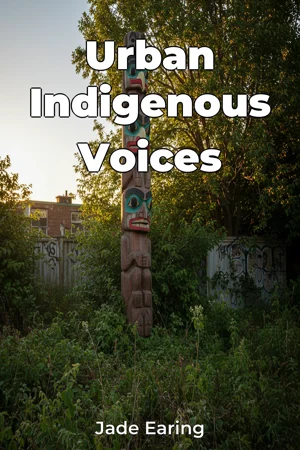
What happens when ancient traditions meet the modern metropolis? "Urban Indigenous Voices" delves into the multifaceted experiences of Indigenous peoples navigating life within contemporary urban environments, exploring the complex interplay between cultural heritage and present-day realities. This book examines how Indigenous communities maintain, adapt, and redefine their identities in cities, a subject of growing significance as urbanization patterns reshape global demographics and Indigenous populations increasingly reside in urban centers. This book tackles two core themes: the preservation of cultural identity in an urban context and the socio-economic challenges and opportunities faced by Indigenous individuals and communities in cities. The preservation of cultural identity is especially important, as urban environments often present threats to traditional languages, practices, and knowledge systems. Simultaneously, cities offer access to education, employment, and other resources that can improve the quality of life for Indigenous people, but these opportunities often come with the burden of navigating systemic inequalities and cultural misunderstandings. Understanding the historical context of Indigenous urbanization is essential. Government policies, land dispossession, and economic pressures have historically driven Indigenous migration to cities, often disrupting traditional ways of life. The book provides background on these historical factors and their lasting impact on contemporary urban Indigenous communities. Readers will also gain insights into the unique legal and political status of Indigenous peoples, which shapes their interactions with urban governance and institutions. "Urban Indigenous Voices" argues that urban Indigenous experiences are not simply about assimilation or loss of culture. Instead, they represent a dynamic process of cultural innovation and resilience. This central argument highlights the capacity of Indigenous people to adapt and thrive in urban settings while maintaining strong connections to their heritage. Promoting a more inclusive and equitable urban society requires understanding and valuing these experiences. The book unfolds in a structured manner. First, it introduces key concepts such as cultural identity, urbanization, and Indigenous rights. It then explores the historical, social, and political factors shaping Indigenous urbanization. Major sections are devoted to examining cultural preservation efforts, including language revitalization programs, the role of urban Indigenous organizations, and the adaptation of traditional practices within city life. The book also addresses the specific challenges related to housing, healthcare, education, and employment faced by Indigenous urban dwellers. It culminates by outlining ways to foster greater understanding, collaboration, and policy changes that support the well-being and cultural integrity of urban Indigenous communities. The arguments presented are supported by a range of evidence, including ethnographic studies, statistical data, policy analysis, and personal narratives. The book draws from diverse sources, including government reports, academic research, and community-based initiatives. The use of first-person accounts adds depth and authenticity, providing readers with direct insights into the lived experiences of urban Indigenous individuals. This study connects to several other fields, including sociology, urban planning, and anthropology. Its insights are relevant to policymakers seeking to develop more inclusive urban policies, sociologists studying migration and identity formation, and anthropologists interested in cultural adaptation and resilience. The book also offers valuable insights for educators and community organizers working to support Indigenous communities. This book offers a unique perspective by focusing specifically on the voices and experiences of Indigenous people themselves. Rather than simply analyzing demographic trends or policy issues, it prioritizes the narratives of individuals and communities, highlighting their agency and resilience in the face of urban challenges. The book adopts a conversational, narrative-driven approach that makes complex topics accessible to a broad audience. The target audience includes students, researchers, policymakers, and anyone interested in learning more about Indigenous issues and urban studies. It provides essential knowledge for those working in social services, urban planning, and community development. This book adheres to the conventions of academic non-fiction, presenting research-based evidence and analysis in a clear and organized manner. The scope of the book encompasses a wide range of urban Indigenous experiences, but it focuses primarily on communities in North America. While acknowledging the global context of Indigenous urbanization, it deliberately limits its scope to allow for a more in-depth exploration of specific case studies and issues. The information provided in "Urban Indigenous Voices" can be applied to inform policy changes, improve social services, and promote cross-cultural understanding. It offers practical strategies for supporting Indigenous cultural preservation, addressing socio-economic disparities, and fostering more inclusive urban environments. The book also acknowledges ongoing debates surrounding issues such as Indigenous self-determination in urban areas, the role of traditional knowledge in contemporary society, and the impact of urbanization on Indigenous cultures. By presenting diverse perspectives and addressing complex challenges, the book encourages critical thinking and informed dialogue.
What happens when ancient traditions meet the modern metropolis? "Urban Indigenous Voices" delves into the multifaceted experiences of Indigenous peoples navigating life within contemporary urban environments, exploring the complex interplay between cultural heritage and present-day realities. This book examines how Indigenous communities maintain, adapt, and redefine their identities in cities, a subject of growing significance as urbanization patterns reshape global demographics and Indigenous populations increasingly reside in urban centers. This book tackles two core themes: the preservation of cultural identity in an urban context and the socio-economic challenges and opportunities faced by Indigenous individuals and communities in cities. The preservation of cultural identity is especially important, as urban environments often present threats to traditional languages, practices, and knowledge systems. Simultaneously, cities offer access to education, employment, and other resources that can improve the quality of life for Indigenous people, but these opportunities often come with the burden of navigating systemic inequalities and cultural misunderstandings. Understanding the historical context of Indigenous urbanization is essential. Government policies, land dispossession, and economic pressures have historically driven Indigenous migration to cities, often disrupting traditional ways of life. The book provides background on these historical factors and their lasting impact on contemporary urban Indigenous communities. Readers will also gain insights into the unique legal and political status of Indigenous peoples, which shapes their interactions with urban governance and institutions. "Urban Indigenous Voices" argues that urban Indigenous experiences are not simply about assimilation or loss of culture. Instead, they represent a dynamic process of cultural innovation and resilience. This central argument highlights the capacity of Indigenous people to adapt and thrive in urban settings while maintaining strong connections to their heritage. Promoting a more inclusive and equitable urban society requires understanding and valuing these experiences. The book unfolds in a structured manner. First, it introduces key concepts such as cultural identity, urbanization, and Indigenous rights. It then explores the historical, social, and political factors shaping Indigenous urbanization. Major sections are devoted to examining cultural preservation efforts, including language revitalization programs, the role of urban Indigenous organizations, and the adaptation of traditional practices within city life. The book also addresses the specific challenges related to housing, healthcare, education, and employment faced by Indigenous urban dwellers. It culminates by outlining ways to foster greater understanding, collaboration, and policy changes that support the well-being and cultural integrity of urban Indigenous communities. The arguments presented are supported by a range of evidence, including ethnographic studies, statistical data, policy analysis, and personal narratives. The book draws from diverse sources, including government reports, academic research, and community-based initiatives. The use of first-person accounts adds depth and authenticity, providing readers with direct insights into the lived experiences of urban Indigenous individuals. This study connects to several other fields, including sociology, urban planning, and anthropology. Its insights are relevant to policymakers seeking to develop more inclusive urban policies, sociologists studying migration and identity formation, and anthropologists interested in cultural adaptation and resilience. The book also offers valuable insights for educators and community organizers working to support Indigenous communities. This book offers a unique perspective by focusing specifically on the voices and experiences of Indigenous people themselves. Rather than simply analyzing demographic trends or policy issues, it prioritizes the narratives of individuals and communities, highlighting their agency and resilience in the face of urban challenges. The book adopts a conversational, narrative-driven approach that makes complex topics accessible to a broad audience. The target audience includes students, researchers, policymakers, and anyone interested in learning more about Indigenous issues and urban studies. It provides essential knowledge for those working in social services, urban planning, and community development. This book adheres to the conventions of academic non-fiction, presenting research-based evidence and analysis in a clear and organized manner. The scope of the book encompasses a wide range of urban Indigenous experiences, but it focuses primarily on communities in North America. While acknowledging the global context of Indigenous urbanization, it deliberately limits its scope to allow for a more in-depth exploration of specific case studies and issues. The information provided in "Urban Indigenous Voices" can be applied to inform policy changes, improve social services, and promote cross-cultural understanding. It offers practical strategies for supporting Indigenous cultural preservation, addressing socio-economic disparities, and fostering more inclusive urban environments. The book also acknowledges ongoing debates surrounding issues such as Indigenous self-determination in urban areas, the role of traditional knowledge in contemporary society, and the impact of urbanization on Indigenous cultures. By presenting diverse perspectives and addressing complex challenges, the book encourages critical thinking and informed dialogue.
"Urban Indigenous Voices" explores the lives of Indigenous peoples within modern cities, focusing on how they maintain their cultural identity amidst urbanization. The book highlights the dynamic interplay between ancient traditions and contemporary urban life, showcasing the resilience and adaptability of Indigenous communities. It delves into socio-economic challenges, such as housing and healthcare disparities, while also examining opportunities for education and employment in urban settings. One intriguing aspect is the examination of language revitalization programs and the adaptation of traditional practices to urban life. The book progresses by first introducing key concepts and historical contexts, including policies that have historically driven Indigenous migration to cities. It then explores cultural preservation efforts and addresses specific challenges faced by urban Indigenous communities. The book uniquely prioritizes the narratives of Indigenous individuals, emphasizing their agency and adaptability. By using ethnographic studies and personal accounts, the book illustrates that urban Indigenous experiences are not about cultural loss but a dynamic process of cultural innovation. The book argues that understanding and valuing these experiences is crucial for creating inclusive urban societies. It aims to foster greater understanding, collaboration, and policy changes that support the well-being of urban Indigenous communities. Ultimately, the book offers valuable insights into cultural identity, urbanization, and Indigenous rights, making it relevant for policymakers, researchers, and anyone interested in social science and history.
Book Details
ISBN
9788235223647
Publisher
Publifye AS
Your Licenses
You don't own any licenses for this book
Purchase a license below to unlock this book and download the EPUB.
Purchase License
Select a tier to unlock this book
Need bulk licensing?
Contact us for enterprise agreements.