
About This Book
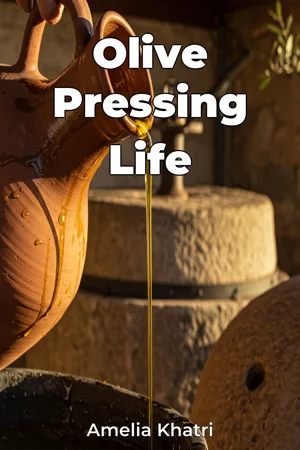
Have you ever considered the deep-rooted history contained within a single drop of olive oil? "Olive Pressing Life" explores the multifaceted world of olive oil production within Mediterranean families, illuminating its traditions and cultural significance. This book delves into the heart of these family-run operations, examining the olive harvest, the pressing process, and the enduring legacy of this liquid gold. Olive oil is not merely a cooking ingredient; it is a symbol of heritage, a link to the past, and a cornerstone of Mediterranean identity. "Olive Pressing Life" investigates three core themes. Firstly, it traces the historical evolution of olive oil production, highlighting the techniques passed down through generations. Secondly, the book analyzes the social and economic impact of family-run olive oil businesses on Mediterranean communities. Finally, it examines the cultural and symbolic importance of olive oil in family rituals, celebrations, and everyday life. These themes are crucial because they reveal the interconnectedness of history, community, and culture through the lens of a single, vital commodity. The historical background begins with the ancient civilizations of the Mediterranean – the Greeks, Romans, and Phoenicians – who first cultivated olives and developed rudimentary pressing methods. Understanding this history is essential to appreciating the modern techniques and traditions that have evolved over millennia. Furthermore, the book establishes a foundation of knowledge around different olive varietals found in the Mediterranean, the impact of climate on oil quality, and the basic principles of olive oil grading. The central argument is that olive oil production in Mediterranean families represents a tangible link to the past, a vital source of community identity, and a significant economic driver in rural regions. This argument underscores the critical need to preserve these traditions in the face of globalization and industrialization. The book’s structure initiates with an introduction to the history of olive cultivation and pressing, establishing the fundamental concepts and their geographic distribution. It then develops with three major focal points: the first section explores the annual cycle of olive cultivation, from pruning to harvesting, detailing the generational knowledge embedded in these practices. The second section delves into the diverse methods of olive pressing, from traditional stone mills to modern machinery. The third section examines the role of olive oil in Mediterranean cuisine, religious practices, and social customs. The book culminates with a discussion of the challenges facing family-run olive oil businesses in the 21st century, including competition from large-scale producers and the need for sustainable farming practices. The practical implications involve understanding how consumers can support these small-scale producers and appreciate the value of authentic, traditionally produced olive oil. The book's analysis relies on a range of evidence, including historical documents, ethnographic studies, interviews with olive-farming families, and analysis of traditional recipes. It also draws on agricultural data and economic reports to provide a comprehensive picture of the industry. Unique data sources involve oral histories collected directly from olive farmers across various Mediterranean regions. "Olive Pressing Life" connects to several interdisciplinary fields: agricultural science, anthropology, and economics. Agricultural science provides insights into olive cultivation and oil extraction techniques. Anthropology offers a framework for understanding the cultural significance of olive oil within Mediterranean societies. Economics sheds light on the economic challenges and opportunities facing family-run olive oil businesses. The book stands out by offering an in-depth, localized perspective on olive oil production, moving beyond simple culinary uses to explore the profound cultural and economic impact on families and communities. The tone is informative and engaging, blending historical analysis with personal stories and anecdotes. The writing style aims to be accessible to a broad audience while maintaining scholarly rigor. The target audience includes food enthusiasts, history buffs, cultural anthropologists, and anyone interested in Mediterranean culture and cuisine. This book is particularly valuable to those who seek a deeper understanding of the origins and traditions behind the food they consume. As a work of non-fiction, "Olive Pressing Life" adheres to the standards of accuracy, objectivity, and thorough research, including detailed citations and a comprehensive bibliography. The scope of the book is limited to family-run olive oil production in the Mediterranean region, focusing primarily on countries such as Greece, Italy, Spain, and Tunisia. It does not delve into the industrial production of olive oil or the olive oil industries in other parts of the world. The information can be applied to inform consumer choices, promoting sustainable agriculture, and supporting the preservation of cultural heritage. While the book celebrates the traditions of olive oil production, it also acknowledges ongoing debates surrounding sustainable farming practices, fair trade, and the impact of climate change on olive cultivation.
Have you ever considered the deep-rooted history contained within a single drop of olive oil? "Olive Pressing Life" explores the multifaceted world of olive oil production within Mediterranean families, illuminating its traditions and cultural significance. This book delves into the heart of these family-run operations, examining the olive harvest, the pressing process, and the enduring legacy of this liquid gold. Olive oil is not merely a cooking ingredient; it is a symbol of heritage, a link to the past, and a cornerstone of Mediterranean identity. "Olive Pressing Life" investigates three core themes. Firstly, it traces the historical evolution of olive oil production, highlighting the techniques passed down through generations. Secondly, the book analyzes the social and economic impact of family-run olive oil businesses on Mediterranean communities. Finally, it examines the cultural and symbolic importance of olive oil in family rituals, celebrations, and everyday life. These themes are crucial because they reveal the interconnectedness of history, community, and culture through the lens of a single, vital commodity. The historical background begins with the ancient civilizations of the Mediterranean – the Greeks, Romans, and Phoenicians – who first cultivated olives and developed rudimentary pressing methods. Understanding this history is essential to appreciating the modern techniques and traditions that have evolved over millennia. Furthermore, the book establishes a foundation of knowledge around different olive varietals found in the Mediterranean, the impact of climate on oil quality, and the basic principles of olive oil grading. The central argument is that olive oil production in Mediterranean families represents a tangible link to the past, a vital source of community identity, and a significant economic driver in rural regions. This argument underscores the critical need to preserve these traditions in the face of globalization and industrialization. The book’s structure initiates with an introduction to the history of olive cultivation and pressing, establishing the fundamental concepts and their geographic distribution. It then develops with three major focal points: the first section explores the annual cycle of olive cultivation, from pruning to harvesting, detailing the generational knowledge embedded in these practices. The second section delves into the diverse methods of olive pressing, from traditional stone mills to modern machinery. The third section examines the role of olive oil in Mediterranean cuisine, religious practices, and social customs. The book culminates with a discussion of the challenges facing family-run olive oil businesses in the 21st century, including competition from large-scale producers and the need for sustainable farming practices. The practical implications involve understanding how consumers can support these small-scale producers and appreciate the value of authentic, traditionally produced olive oil. The book's analysis relies on a range of evidence, including historical documents, ethnographic studies, interviews with olive-farming families, and analysis of traditional recipes. It also draws on agricultural data and economic reports to provide a comprehensive picture of the industry. Unique data sources involve oral histories collected directly from olive farmers across various Mediterranean regions. "Olive Pressing Life" connects to several interdisciplinary fields: agricultural science, anthropology, and economics. Agricultural science provides insights into olive cultivation and oil extraction techniques. Anthropology offers a framework for understanding the cultural significance of olive oil within Mediterranean societies. Economics sheds light on the economic challenges and opportunities facing family-run olive oil businesses. The book stands out by offering an in-depth, localized perspective on olive oil production, moving beyond simple culinary uses to explore the profound cultural and economic impact on families and communities. The tone is informative and engaging, blending historical analysis with personal stories and anecdotes. The writing style aims to be accessible to a broad audience while maintaining scholarly rigor. The target audience includes food enthusiasts, history buffs, cultural anthropologists, and anyone interested in Mediterranean culture and cuisine. This book is particularly valuable to those who seek a deeper understanding of the origins and traditions behind the food they consume. As a work of non-fiction, "Olive Pressing Life" adheres to the standards of accuracy, objectivity, and thorough research, including detailed citations and a comprehensive bibliography. The scope of the book is limited to family-run olive oil production in the Mediterranean region, focusing primarily on countries such as Greece, Italy, Spain, and Tunisia. It does not delve into the industrial production of olive oil or the olive oil industries in other parts of the world. The information can be applied to inform consumer choices, promoting sustainable agriculture, and supporting the preservation of cultural heritage. While the book celebrates the traditions of olive oil production, it also acknowledges ongoing debates surrounding sustainable farming practices, fair trade, and the impact of climate change on olive cultivation.
"Olive Pressing Life" explores the rich history and cultural significance of olive oil production within Mediterranean family-run operations. Moving beyond the culinary uses of olive oil, the book delves into how the olive harvest and pressing traditions have shaped communities for generations. Olive oil, more than just an ingredient, represents a connection to the past and a cornerstone of Mediterranean identity, impacting everything from family rituals to economic stability. The book investigates the historical evolution of olive oil production techniques, some passed down through families for centuries, and examines the social and economic impact on Mediterranean communities. For example, the book illustrates how ancient civilizations like the Greeks and Romans developed early pressing methods, which have influenced modern practices. Structured around the annual cycle of olive cultivation, diverse pressing methods, and the role of olive oil in Mediterranean culture, the book progresses across chapters to highlight the challenges these family businesses face in the 21st century. By blending historical analysis with personal stories, "Olive Pressing Life" offers an in-depth perspective on the traditions, economic impact, and sustainable agriculture practices surrounding this liquid gold. It emphasizes the importance of preserving this cultural heritage in the face of globalization and industrialization, making it a valuable resource for food enthusiasts, history buffs, and anyone interested in Mediterranean culture.
Book Details
ISBN
9788235223630
Publisher
Publifye AS
Your Licenses
You don't own any licenses for this book
Purchase a license below to unlock this book and download the EPUB.
Purchase License
Select a tier to unlock this book
Need bulk licensing?
Contact us for enterprise agreements.