
About This Book
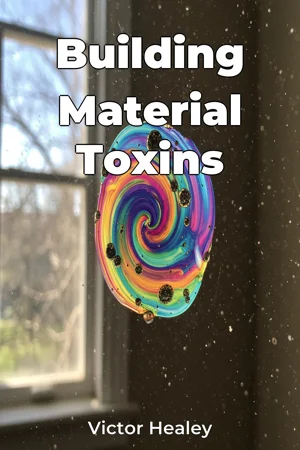
Are the homes and buildings we inhabit silently poisoning us? "Building Material Toxins" explores the pervasive yet often overlooked chemical exposures stemming from the materials used in constructing and furnishing our living and working spaces. This book addresses a critical need for increased awareness and understanding of the potential health risks associated with modern building practices. The book's central tenets revolve around three key areas: identification of common toxic chemicals in building materials, analysis of their potential health impacts, and strategies for mitigating exposure. Understanding these three pillars is vital for creating healthier indoor environments and protecting public health. The book emphasizes that informed choices during construction and renovation can significantly reduce chemical exposures and improve overall well-being. The historical context of building material safety reveals a gradual shift from natural, minimally processed materials to synthetic substances. This transition, driven by demands for cost-effectiveness and durability, has introduced a wide array of chemicals into our homes and workplaces, many of which have not been thoroughly tested for long-term health effects. Readers require no specialized scientific background to grasp the core concepts; the book provides accessible explanations of basic chemistry and toxicology principles. The central argument of "Building Material Toxins" is that significant chemical exposures from building materials represent a preventable public health concern. The book advocates for a proactive approach to material selection and building practices, emphasizing transparency and informed decision-making. This is not just about individual health; it is about creating healthier communities and reducing the burden of environmentally related illnesses. The book is structured to guide readers through a comprehensive understanding of the topic. It will begin with an introduction to the main categories of toxic chemicals found in building materials, such as volatile organic compounds (VOCs), flame retardants, and heavy metals. Subsequent chapters will delve into specific material types – including flooring, insulation, paints, adhesives, and furniture – examining their chemical composition and potential health effects. The book will culminate with a discussion of practical strategies for reducing exposure, including material selection guidelines, ventilation techniques, and building standards. The arguments presented are supported by a comprehensive review of scientific literature, including epidemiological studies, toxicological assessments, and building science research. The book also draws on data from governmental agencies, such as the Environmental Protection Agency (EPA) and the Consumer Product Safety Commission (CPSC), as well as independent testing laboratories. "Building Material Toxins" sits at the intersection of public health, environmental science, and building construction. It also connects with fields such as interior design and sustainable development. This interdisciplinary approach allows for a holistic understanding of the complex relationship between building materials, indoor environments, and human health. The book distinguishes itself through its emphasis on practical solutions and actionable advice. Rather than simply cataloging potential hazards, it empowers readers to make informed choices and implement strategies to reduce chemical exposures in their own homes and workplaces. The tone is informative and accessible, aiming to educate and empower readers without resorting to alarmist language. The writing style is clear and concise, making complex scientific information understandable to a broad audience. The target audience includes homeowners, renters, builders, contractors, architects, interior designers, and public health professionals. Anyone concerned about the potential health impacts of building materials will find this book a valuable resource. Adhering to the conventions of both Public Health and Environment genres, the book presents evidence-based information in a clear and objective manner, while also addressing the social and ethical implications of building material choices. While the book provides a comprehensive overview of common building material toxins, it does not delve into highly specialized areas such as industrial hygiene or occupational safety. The focus remains on the exposures experienced by the general public in residential and commercial buildings. The information provided in "Building Material Toxins" can be applied in a variety of real-world settings. Homeowners can use it to select safer materials for renovations, renters can advocate for healthier living conditions, and builders can adopt practices that minimize chemical exposures for their clients. The book addresses the ongoing debate surrounding the regulation of chemicals in building materials. It examines the arguments for and against stricter standards, highlighting the challenges of balancing economic considerations with public health concerns.
Are the homes and buildings we inhabit silently poisoning us? "Building Material Toxins" explores the pervasive yet often overlooked chemical exposures stemming from the materials used in constructing and furnishing our living and working spaces. This book addresses a critical need for increased awareness and understanding of the potential health risks associated with modern building practices. The book's central tenets revolve around three key areas: identification of common toxic chemicals in building materials, analysis of their potential health impacts, and strategies for mitigating exposure. Understanding these three pillars is vital for creating healthier indoor environments and protecting public health. The book emphasizes that informed choices during construction and renovation can significantly reduce chemical exposures and improve overall well-being. The historical context of building material safety reveals a gradual shift from natural, minimally processed materials to synthetic substances. This transition, driven by demands for cost-effectiveness and durability, has introduced a wide array of chemicals into our homes and workplaces, many of which have not been thoroughly tested for long-term health effects. Readers require no specialized scientific background to grasp the core concepts; the book provides accessible explanations of basic chemistry and toxicology principles. The central argument of "Building Material Toxins" is that significant chemical exposures from building materials represent a preventable public health concern. The book advocates for a proactive approach to material selection and building practices, emphasizing transparency and informed decision-making. This is not just about individual health; it is about creating healthier communities and reducing the burden of environmentally related illnesses. The book is structured to guide readers through a comprehensive understanding of the topic. It will begin with an introduction to the main categories of toxic chemicals found in building materials, such as volatile organic compounds (VOCs), flame retardants, and heavy metals. Subsequent chapters will delve into specific material types – including flooring, insulation, paints, adhesives, and furniture – examining their chemical composition and potential health effects. The book will culminate with a discussion of practical strategies for reducing exposure, including material selection guidelines, ventilation techniques, and building standards. The arguments presented are supported by a comprehensive review of scientific literature, including epidemiological studies, toxicological assessments, and building science research. The book also draws on data from governmental agencies, such as the Environmental Protection Agency (EPA) and the Consumer Product Safety Commission (CPSC), as well as independent testing laboratories. "Building Material Toxins" sits at the intersection of public health, environmental science, and building construction. It also connects with fields such as interior design and sustainable development. This interdisciplinary approach allows for a holistic understanding of the complex relationship between building materials, indoor environments, and human health. The book distinguishes itself through its emphasis on practical solutions and actionable advice. Rather than simply cataloging potential hazards, it empowers readers to make informed choices and implement strategies to reduce chemical exposures in their own homes and workplaces. The tone is informative and accessible, aiming to educate and empower readers without resorting to alarmist language. The writing style is clear and concise, making complex scientific information understandable to a broad audience. The target audience includes homeowners, renters, builders, contractors, architects, interior designers, and public health professionals. Anyone concerned about the potential health impacts of building materials will find this book a valuable resource. Adhering to the conventions of both Public Health and Environment genres, the book presents evidence-based information in a clear and objective manner, while also addressing the social and ethical implications of building material choices. While the book provides a comprehensive overview of common building material toxins, it does not delve into highly specialized areas such as industrial hygiene or occupational safety. The focus remains on the exposures experienced by the general public in residential and commercial buildings. The information provided in "Building Material Toxins" can be applied in a variety of real-world settings. Homeowners can use it to select safer materials for renovations, renters can advocate for healthier living conditions, and builders can adopt practices that minimize chemical exposures for their clients. The book addresses the ongoing debate surrounding the regulation of chemicals in building materials. It examines the arguments for and against stricter standards, highlighting the challenges of balancing economic considerations with public health concerns.
"Building Material Toxins" sheds light on the often-overlooked issue of chemical exposure from everyday building materials, linking these toxins to potential risks to environmental health and public health. The book emphasizes how materials used in construction and furnishings can release volatile organic compounds (VOCs) and other toxic chemicals, impacting indoor air quality and, consequently, our well-being. It highlights the shift from natural materials to synthetic ones driven by cost and durability, noting that many of these newer substances lack thorough long-term health effect testing. The book uniquely empowers readers by not just identifying hazards but offering actionable advice for mitigating exposures. It progresses from introducing major categories of toxic chemicals, like flame retardants and heavy metals, to examining specific materials such as flooring and paints. Ultimately, it culminates in practical strategies, including material selection guidelines and ventilation techniques, to promote healthy homes and sustainable building practices. The central argument is that many chemical exposures are preventable through informed decision-making during building and renovation.
Book Details
ISBN
9788235223302
Publisher
Publifye AS
Your Licenses
You don't own any licenses for this book
Purchase a license below to unlock this book and download the EPUB.
Purchase License
Select a tier to unlock this book
Need bulk licensing?
Contact us for enterprise agreements.