
About This Book
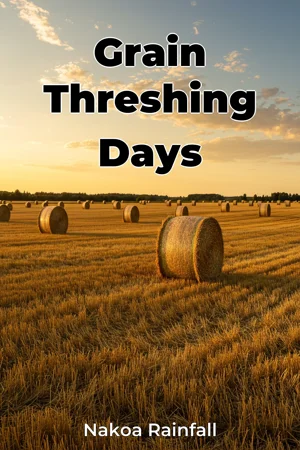
What if the simple act of harvesting grain could tell us everything about a society's values, its social structures, and its very survival? "Grain Threshing Days" delves into the intricate world of grain harvesting techniques, revealing their profound influence on the rhythms of village life across different historical periods. This book isn't merely a recounting of agricultural practices; it's an exploration of how these methods shaped communal bonds, dictated social hierarchies, and defined the very essence of rural communities. The central argument of "Grain Threshing Days" is that grain harvesting techniques are not simply technical processes; they are deeply embedded cultural practices that reflect and reinforce the social, economic, and political structures of village life. Understanding these techniques provides a unique lens through which to analyze the dynamics of rural societies, their adaptability to technological change, and the enduring impact of agricultural traditions. First, the book will introduce the fundamental grain harvesting techniques employed throughout history, ranging from manual methods like reaping with sickles to the later adoption of mechanized harvesters. We will examine the tools used, the labor required, and the efficiency of each technique. Second, we will explore the social organization of harvesting, focusing on who participated in the work, how labor was divided, and the roles of both men and women in the process. We will analyze how harvesting activities fostered cooperation, created social bonds, and reinforced community identity. Third, we will discuss the economic implications of different harvesting methods, considering their impact on crop yields, food security, and the distribution of wealth within the village. The book will analyze how technological innovations in harvesting affected land ownership, labor relations, and the overall prosperity of rural communities. The culmination of the argument will investigate the influence of grain harvesting on social change, demonstrating how these techniques served as both a catalyst for and a barrier to shifts in social structures and power dynamics. This historical exploration draws upon a diverse range of sources, including agricultural manuals, census data, oral histories collected from rural communities, and archaeological findings. By integrating both quantitative and qualitative data, “Grain Threshing Days” provides a nuanced and comprehensive account of grain harvesting's central role in village life. The book connects to several other academic fields, including anthropology, sociology, and economics. By examining the cultural significance of grain harvesting, it contributes to anthropological understandings of ritual, social organization, and community identity. By analyzing the social relations involved in harvesting labor, it informs sociological perspectives on labor, inequality, and social change. By assessing the economic impacts of different harvesting technologies, it provides insights for economists studying agricultural development and rural livelihoods. "Grain Threshing Days" adopts a narrative non-fiction approach, presenting historical information in an accessible and engaging manner. The book targets readers interested in social history, agricultural history, and rural studies, including students, academics, and anyone fascinated by the intersection of culture and technology. The scope of the book encompasses a variety of geographical regions and historical periods, focusing primarily on Europe and Asia from the medieval era to the 20th century. While acknowledging the diversity of grain harvesting practices worldwide, the book intentionally limits its scope to provide a focused and in-depth analysis of specific case studies. The knowledge within "Grain Threshing Days" has real-world applications for understanding contemporary issues related to food security, rural development, and sustainable agriculture. By examining how past societies managed their grain harvests, we can gain valuable insights into the challenges and opportunities facing rural communities today. Throughout history, the adoption of new harvesting technologies has often sparked debates about their social and economic consequences, including concerns about job displacement, environmental impacts, and the consolidation of power in the hands of a few. "Grain Threshing Days" explores these controversies, providing a balanced and nuanced perspective on the complex relationship between technology and society.
What if the simple act of harvesting grain could tell us everything about a society's values, its social structures, and its very survival? "Grain Threshing Days" delves into the intricate world of grain harvesting techniques, revealing their profound influence on the rhythms of village life across different historical periods. This book isn't merely a recounting of agricultural practices; it's an exploration of how these methods shaped communal bonds, dictated social hierarchies, and defined the very essence of rural communities. The central argument of "Grain Threshing Days" is that grain harvesting techniques are not simply technical processes; they are deeply embedded cultural practices that reflect and reinforce the social, economic, and political structures of village life. Understanding these techniques provides a unique lens through which to analyze the dynamics of rural societies, their adaptability to technological change, and the enduring impact of agricultural traditions. First, the book will introduce the fundamental grain harvesting techniques employed throughout history, ranging from manual methods like reaping with sickles to the later adoption of mechanized harvesters. We will examine the tools used, the labor required, and the efficiency of each technique. Second, we will explore the social organization of harvesting, focusing on who participated in the work, how labor was divided, and the roles of both men and women in the process. We will analyze how harvesting activities fostered cooperation, created social bonds, and reinforced community identity. Third, we will discuss the economic implications of different harvesting methods, considering their impact on crop yields, food security, and the distribution of wealth within the village. The book will analyze how technological innovations in harvesting affected land ownership, labor relations, and the overall prosperity of rural communities. The culmination of the argument will investigate the influence of grain harvesting on social change, demonstrating how these techniques served as both a catalyst for and a barrier to shifts in social structures and power dynamics. This historical exploration draws upon a diverse range of sources, including agricultural manuals, census data, oral histories collected from rural communities, and archaeological findings. By integrating both quantitative and qualitative data, “Grain Threshing Days” provides a nuanced and comprehensive account of grain harvesting's central role in village life. The book connects to several other academic fields, including anthropology, sociology, and economics. By examining the cultural significance of grain harvesting, it contributes to anthropological understandings of ritual, social organization, and community identity. By analyzing the social relations involved in harvesting labor, it informs sociological perspectives on labor, inequality, and social change. By assessing the economic impacts of different harvesting technologies, it provides insights for economists studying agricultural development and rural livelihoods. "Grain Threshing Days" adopts a narrative non-fiction approach, presenting historical information in an accessible and engaging manner. The book targets readers interested in social history, agricultural history, and rural studies, including students, academics, and anyone fascinated by the intersection of culture and technology. The scope of the book encompasses a variety of geographical regions and historical periods, focusing primarily on Europe and Asia from the medieval era to the 20th century. While acknowledging the diversity of grain harvesting practices worldwide, the book intentionally limits its scope to provide a focused and in-depth analysis of specific case studies. The knowledge within "Grain Threshing Days" has real-world applications for understanding contemporary issues related to food security, rural development, and sustainable agriculture. By examining how past societies managed their grain harvests, we can gain valuable insights into the challenges and opportunities facing rural communities today. Throughout history, the adoption of new harvesting technologies has often sparked debates about their social and economic consequences, including concerns about job displacement, environmental impacts, and the consolidation of power in the hands of a few. "Grain Threshing Days" explores these controversies, providing a balanced and nuanced perspective on the complex relationship between technology and society.
"Grain Threshing Days" explores how grain harvesting techniques profoundly shaped village life, revealing insights into social structures and community bonds. It examines the transition from manual methods, like using sickles, to mechanized harvesters, demonstrating how these shifts influenced labor relations and food security. The book argues that these techniques are not just agricultural practices but cultural ones that reflect and reinforce social, economic, and political dynamics within rural societies. The book analyzes the social organization of harvesting, highlighting the roles of men and women and how cooperation fostered community identity. It also delves into the economic implications of different harvesting methods, detailing their impact on crop yields and wealth distribution. Drawing from agricultural manuals, census data, and oral histories, "Grain Threshing Days" adopts a narrative non-fiction approach to present a comprehensive account of grain harvesting's role in village life. The book progresses by first introducing harvesting techniques, then exploring the social organization and economic implications, before finally investigating the influence of grain harvesting on social change. This progression provides a nuanced understanding of how agricultural practices have shaped rural communities and the broader social landscape.
Book Details
ISBN
9788235223258
Publisher
Publifye AS
Your Licenses
You don't own any licenses for this book
Purchase a license below to unlock this book and download the EPUB.
Purchase License
Select a tier to unlock this book
Need bulk licensing?
Contact us for enterprise agreements.