
About This Book
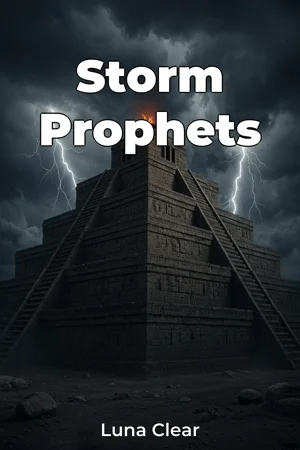
Could the roar of thunder once have been interpreted as the voice of a god, a celestial warning about impending doom or a call to action? "Storm Prophets" delves into the history and religion of weather oracles, exploring the profound connections between atmospheric phenomena, divine communication, and human belief systems across various cultures and eras. This book argues that understanding ancient interpretations of weather provides critical insights into the development of religious thought, social structures, and early scientific inquiry. We begin by examining the fundamental role of weather gods and goddesses in several pantheons, from the thunder-wielding Zeus of ancient Greece to the serpent-like Quetzalcoatl of Mesoamerica. These deities were not merely personifications of natural forces; they were believed to actively intervene in human affairs, using storms, droughts, and floods to express their favor or displeasure. The book explores how societies constructed complex rituals and divinatory practices to appease these powerful entities and interpret their meteorological messages. This historical context is essential for understanding the deep-seated human need to find meaning and agency in the face of unpredictable environmental events. The central thesis of "Storm Prophets" is that the interpretation of weather as divine communication profoundly shaped the development of early warning systems, religious practices, and even political power structures. The book demonstrates how those who could accurately predict or influence weather events – whether through genuine knowledge, astute observation, or sheer luck – often gained positions of considerable influence in their communities. The book is structured in three major parts. Part one introduces the concept of weather oracles and explores their origins in ancient Mesopotamia and Egypt, examining the early development of rainmaking rituals and the role of priests as intermediaries between humans and the elements. Part two focuses on the classical world, analyzing the importance of weather divination in Greece and Rome, and the rise of meteorological cults dedicated to gods like Jupiter Pluvius. Part three broadens the scope to include non-European traditions, such as the rain dances of indigenous North American tribes and the complex weather-related ceremonies of ancient China. The evidence presented in "Storm Prophets" draws from a wide range of sources, including ancient texts, archaeological findings, and anthropological studies of contemporary weather-related religious practices. It analyzes cuneiform tablets describing Babylonian weather omens, Roman inscriptions dedicated to storm gods, and ethnographic reports documenting the role of shamans in predicting rainfall. "Storm Prophets" connects to several other fields of study, including meteorology, religious studies, anthropology, and political science. By examining the historical intersection of weather and belief, the book provides new perspectives on the development of scientific thought, the cultural impact of climate change, and the role of religion in shaping human societies. A unique aspect of this book is its comparative approach, which examines weather-related beliefs across diverse cultures and historical periods, highlighting both the commonalities and differences in human responses to the challenges and opportunities presented by the natural world. Written in an accessible and engaging style, "Storm Prophets" is intended for a broad audience, from students of history and religion to anyone interested in the cultural and historical significance of weather. The reader will gain a richer understanding of the complex relationship between humans and the environment, and the enduring power of belief systems in shaping our perception of the world. The scope of "Storm Prophets" is intentionally broad, covering a wide range of cultures and historical periods, but it does not delve into the scientific validity of ancient weather prediction methods. Instead, it focuses on the cultural and religious context in which these beliefs arose and flourished. While exploring real-world applications, the book highlights the importance of understanding historical perspectives on weather for addressing contemporary challenges related to climate change and disaster preparedness and how understanding the historic links between weather and belief can serve as a cultural bridge. Finally, this book addresses the ongoing academic debate between rationalist and interpretive approaches to the study of religion, arguing that a nuanced understanding of historical beliefs requires both a critical examination of evidence and a sensitivity to the cultural context in which those beliefs were formed.
Could the roar of thunder once have been interpreted as the voice of a god, a celestial warning about impending doom or a call to action? "Storm Prophets" delves into the history and religion of weather oracles, exploring the profound connections between atmospheric phenomena, divine communication, and human belief systems across various cultures and eras. This book argues that understanding ancient interpretations of weather provides critical insights into the development of religious thought, social structures, and early scientific inquiry. We begin by examining the fundamental role of weather gods and goddesses in several pantheons, from the thunder-wielding Zeus of ancient Greece to the serpent-like Quetzalcoatl of Mesoamerica. These deities were not merely personifications of natural forces; they were believed to actively intervene in human affairs, using storms, droughts, and floods to express their favor or displeasure. The book explores how societies constructed complex rituals and divinatory practices to appease these powerful entities and interpret their meteorological messages. This historical context is essential for understanding the deep-seated human need to find meaning and agency in the face of unpredictable environmental events. The central thesis of "Storm Prophets" is that the interpretation of weather as divine communication profoundly shaped the development of early warning systems, religious practices, and even political power structures. The book demonstrates how those who could accurately predict or influence weather events – whether through genuine knowledge, astute observation, or sheer luck – often gained positions of considerable influence in their communities. The book is structured in three major parts. Part one introduces the concept of weather oracles and explores their origins in ancient Mesopotamia and Egypt, examining the early development of rainmaking rituals and the role of priests as intermediaries between humans and the elements. Part two focuses on the classical world, analyzing the importance of weather divination in Greece and Rome, and the rise of meteorological cults dedicated to gods like Jupiter Pluvius. Part three broadens the scope to include non-European traditions, such as the rain dances of indigenous North American tribes and the complex weather-related ceremonies of ancient China. The evidence presented in "Storm Prophets" draws from a wide range of sources, including ancient texts, archaeological findings, and anthropological studies of contemporary weather-related religious practices. It analyzes cuneiform tablets describing Babylonian weather omens, Roman inscriptions dedicated to storm gods, and ethnographic reports documenting the role of shamans in predicting rainfall. "Storm Prophets" connects to several other fields of study, including meteorology, religious studies, anthropology, and political science. By examining the historical intersection of weather and belief, the book provides new perspectives on the development of scientific thought, the cultural impact of climate change, and the role of religion in shaping human societies. A unique aspect of this book is its comparative approach, which examines weather-related beliefs across diverse cultures and historical periods, highlighting both the commonalities and differences in human responses to the challenges and opportunities presented by the natural world. Written in an accessible and engaging style, "Storm Prophets" is intended for a broad audience, from students of history and religion to anyone interested in the cultural and historical significance of weather. The reader will gain a richer understanding of the complex relationship between humans and the environment, and the enduring power of belief systems in shaping our perception of the world. The scope of "Storm Prophets" is intentionally broad, covering a wide range of cultures and historical periods, but it does not delve into the scientific validity of ancient weather prediction methods. Instead, it focuses on the cultural and religious context in which these beliefs arose and flourished. While exploring real-world applications, the book highlights the importance of understanding historical perspectives on weather for addressing contemporary challenges related to climate change and disaster preparedness and how understanding the historic links between weather and belief can serve as a cultural bridge. Finally, this book addresses the ongoing academic debate between rationalist and interpretive approaches to the study of religion, arguing that a nuanced understanding of historical beliefs requires both a critical examination of evidence and a sensitivity to the cultural context in which those beliefs were formed.
"Storm Prophets" explores the historical intersection of weather and belief, revealing how ancient cultures interpreted atmospheric phenomena as divine communication. The book argues that these interpretations profoundly influenced religious practices, social structures, and early scientific inquiry. Intriguingly, the roar of thunder was once perceived as the voice of a god, and those who could seemingly predict or influence weather events often gained significant social and political power. Beginning with ancient Mesopotamia and Egypt, the book examines the origins of weather oracles and rainmaking rituals. It progresses through the classical world, analyzing weather divination in Greece and Rome, before broadening its scope to include non-European traditions, such as indigenous North American rain dances. The book uniquely compares weather-related beliefs across diverse cultures, highlighting commonalities and differences in human responses to the natural world. Understanding these historical perspectives offers valuable insights into the cultural impact of climate change and the enduring power of human belief systems.
Book Details
ISBN
9788235223159
Publisher
Publifye AS
Your Licenses
You don't own any licenses for this book
Purchase a license below to unlock this book and download the EPUB.
Purchase License
Select a tier to unlock this book
Need bulk licensing?
Contact us for enterprise agreements.