
About This Book
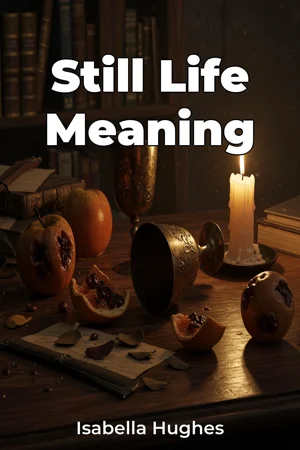
Can inanimate objects tell stories? "Still Life Meaning" explores how the seemingly simple compositions of still life paintings have profoundly influenced storytelling, philosophical understanding, and our perception of existence itself. This book delves into the rich symbolism embedded within arrangements of everyday objects, revealing their capacity to represent life, death, morality, and the human condition. This exploration is significant because it unveils a hidden language within art, demonstrating how artists have used mundane objects to convey complex ideas for centuries. Understanding this language enhances our appreciation of art history and deepens our understanding of how visual culture shapes our thoughts and beliefs. Furthermore, it provides a new lens through which to analyze literature and philosophical works, revealing previously unseen layers of meaning. The book provides historical context, tracing the evolution of still life from its early appearances in ancient art to its flourishing in the Dutch Golden Age and beyond. It examines the social and cultural factors that contributed to the genre's popularity and the specific meanings that different objects acquired over time. A basic understanding of art history concepts, such as symbolism and iconography, will be beneficial for readers, although the book provides clear explanations of key terms. The central argument of "Still Life Meaning" is that still life, far from being a mere exercise in artistic skill, offers a powerful medium for exploring fundamental questions about human existence. The book demonstrates how artists use arrangements of objects to comment on mortality, the transience of beauty, the fleeting nature of pleasure, and the enduring search for meaning. This argument challenges the common perception of still life as a decorative art form, elevating it to a position of philosophical and cultural significance. The book begins by introducing the core concepts of still life and its symbolic vocabulary. It then develops these ideas through focused analyses of specific themes and periods, highlighting how artists have used still life to explore moral dilemmas, comment on social issues, and reflect on the nature of perception. Major sections will examine the "vanitas" tradition and its preoccupation with mortality, the relationship between still life and consumer culture, and the use of still life as a form of personal and social commentary. The book culminates by considering the enduring relevance of still life in contemporary art and its potential to inform our understanding of the world around us. The final section explores practical applications, offering readers interpretive tools to understand and appreciate the complexities of visual art and its connection to broader philosophical ideas. The evidence presented in "Still Life Meaning" draws on a wide range of sources, including close readings of paintings, historical documents, philosophical texts, and literary works. The book utilizes art historical analysis, considering the formal elements of composition, color, and texture, alongside iconographic analysis, deciphering the symbolic meanings of individual objects. The book connects to fields such as art history, philosophy, and literary studies. Its exploration of symbolism and meaning-making links it to semiotics, while its analysis of consumer culture connects it to social and economic history. These interdisciplinary connections enrich the book's argument, providing a holistic understanding of still life's significance. "Still Life Meaning" offers a unique perspective by focusing on the narrative potential of still life, exploring how these compositions function as visual stories that convey complex ideas and emotions. This approach moves beyond traditional art historical analysis, emphasizing the communicative power of still life and its relevance to broader cultural and intellectual concerns. The book adopts an accessible yet scholarly tone, making complex ideas understandable to a broad audience without sacrificing intellectual rigor. The target audience includes art enthusiasts, students of art history and philosophy, readers interested in visual culture, and anyone seeking a deeper understanding of the relationship between art and meaning. The book would be valuable to them because it offers a fresh perspective on a familiar art form, revealing its hidden depths and its enduring relevance to contemporary life. As a work of art history and philosophy, "Still Life Meaning" adheres to the conventions of academic scholarship, including rigorous research, clear argumentation, and thorough documentation. The scope of the book is limited to Western art, primarily focusing on European and American still life traditions. This limitation allows for a more in-depth analysis of specific cultural and historical contexts. Readers can apply the information in the book to enhance their appreciation of art, deepen their understanding of symbolism, and develop their critical thinking skills. The book also encourages readers to see the world around them with new eyes, recognizing the potential for meaning in even the most ordinary objects. While the interpretation of symbolism in art is often subjective, this book addresses debates by thoroughly researching historical context and presenting multiple interpretations, encouraging readers to form their own informed opinions.
Can inanimate objects tell stories? "Still Life Meaning" explores how the seemingly simple compositions of still life paintings have profoundly influenced storytelling, philosophical understanding, and our perception of existence itself. This book delves into the rich symbolism embedded within arrangements of everyday objects, revealing their capacity to represent life, death, morality, and the human condition. This exploration is significant because it unveils a hidden language within art, demonstrating how artists have used mundane objects to convey complex ideas for centuries. Understanding this language enhances our appreciation of art history and deepens our understanding of how visual culture shapes our thoughts and beliefs. Furthermore, it provides a new lens through which to analyze literature and philosophical works, revealing previously unseen layers of meaning. The book provides historical context, tracing the evolution of still life from its early appearances in ancient art to its flourishing in the Dutch Golden Age and beyond. It examines the social and cultural factors that contributed to the genre's popularity and the specific meanings that different objects acquired over time. A basic understanding of art history concepts, such as symbolism and iconography, will be beneficial for readers, although the book provides clear explanations of key terms. The central argument of "Still Life Meaning" is that still life, far from being a mere exercise in artistic skill, offers a powerful medium for exploring fundamental questions about human existence. The book demonstrates how artists use arrangements of objects to comment on mortality, the transience of beauty, the fleeting nature of pleasure, and the enduring search for meaning. This argument challenges the common perception of still life as a decorative art form, elevating it to a position of philosophical and cultural significance. The book begins by introducing the core concepts of still life and its symbolic vocabulary. It then develops these ideas through focused analyses of specific themes and periods, highlighting how artists have used still life to explore moral dilemmas, comment on social issues, and reflect on the nature of perception. Major sections will examine the "vanitas" tradition and its preoccupation with mortality, the relationship between still life and consumer culture, and the use of still life as a form of personal and social commentary. The book culminates by considering the enduring relevance of still life in contemporary art and its potential to inform our understanding of the world around us. The final section explores practical applications, offering readers interpretive tools to understand and appreciate the complexities of visual art and its connection to broader philosophical ideas. The evidence presented in "Still Life Meaning" draws on a wide range of sources, including close readings of paintings, historical documents, philosophical texts, and literary works. The book utilizes art historical analysis, considering the formal elements of composition, color, and texture, alongside iconographic analysis, deciphering the symbolic meanings of individual objects. The book connects to fields such as art history, philosophy, and literary studies. Its exploration of symbolism and meaning-making links it to semiotics, while its analysis of consumer culture connects it to social and economic history. These interdisciplinary connections enrich the book's argument, providing a holistic understanding of still life's significance. "Still Life Meaning" offers a unique perspective by focusing on the narrative potential of still life, exploring how these compositions function as visual stories that convey complex ideas and emotions. This approach moves beyond traditional art historical analysis, emphasizing the communicative power of still life and its relevance to broader cultural and intellectual concerns. The book adopts an accessible yet scholarly tone, making complex ideas understandable to a broad audience without sacrificing intellectual rigor. The target audience includes art enthusiasts, students of art history and philosophy, readers interested in visual culture, and anyone seeking a deeper understanding of the relationship between art and meaning. The book would be valuable to them because it offers a fresh perspective on a familiar art form, revealing its hidden depths and its enduring relevance to contemporary life. As a work of art history and philosophy, "Still Life Meaning" adheres to the conventions of academic scholarship, including rigorous research, clear argumentation, and thorough documentation. The scope of the book is limited to Western art, primarily focusing on European and American still life traditions. This limitation allows for a more in-depth analysis of specific cultural and historical contexts. Readers can apply the information in the book to enhance their appreciation of art, deepen their understanding of symbolism, and develop their critical thinking skills. The book also encourages readers to see the world around them with new eyes, recognizing the potential for meaning in even the most ordinary objects. While the interpretation of symbolism in art is often subjective, this book addresses debates by thoroughly researching historical context and presenting multiple interpretations, encouraging readers to form their own informed opinions.
"Still Life Meaning" unveils the hidden stories told through arrangements of inanimate objects, exploring their profound impact on art history, philosophy, and our understanding of the human condition. Far from mere decoration, still life paintings utilize symbolism and iconography to represent complex ideas like mortality, the transience of beauty, and moral dilemmas. Did you know that the "vanitas" tradition, a key theme in still life, uses objects like skulls and decaying fruit to remind us of life's fleeting nature? The book examines how these arrangements function as visual narratives, conveying deeper meanings about our existence. The book traces the evolution of still life, from its ancient beginnings to its prominence in the Dutch Golden Age, revealing how social and cultural factors shaped its popularity and the development of symbolic language. Each chapter builds upon core concepts, analyzing specific themes and periods to demonstrate how artists use still life to comment on social issues and reflect on perception. By examining paintings, historical documents, and philosophical texts, "Still Life Meaning" offers readers interpretive tools to appreciate the complexities of visual art and its connection to broader philosophical ideas.
Book Details
ISBN
9788235223074
Publisher
Publifye AS
Your Licenses
You don't own any licenses for this book
Purchase a license below to unlock this book and download the EPUB.
Purchase License
Select a tier to unlock this book
Need bulk licensing?
Contact us for enterprise agreements.