
About This Book
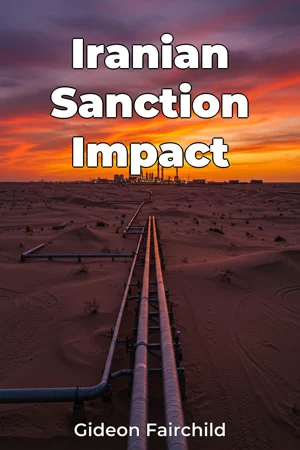
How do nations adapt when isolated from the global economic stage? "Iranian Sanction Impact" delves into the multifaceted consequences of economic sanctions on Iran, examining the nation's adaptations in resource economics and the evolution of its regional trade networks. This study is essential for understanding the interplay between politics and economics in an increasingly interconnected world, especially as sanctions become a more frequent tool in international relations. The book's core investigation centers on three crucial areas impacted by sanctions: the restructuring of Iran's domestic resource economy, the re-orientation of its international trade relationships, and the broader geopolitical implications of these shifts. Each of these elements holds significant insights for policymakers, economists, and anyone interested in the dynamics of international political economy. To understand these impacts fully, the book provides a background on the history of sanctions against Iran, their legal basis, and the stated objectives behind them. At its heart, "Iranian Sanction Impact" argues that prolonged economic isolation, while undoubtedly creating hardship and disruption, also compels a nation to innovate and seek alternative pathways for economic survival and development. The argument suggests that the unintended consequences of sanctions include the strengthening of regional partnerships, the development of import substitution industries, and an increased focus on non-dollar denominated trade. The book is structured into three primary sections. First, it introduces the theoretical frameworks for understanding economic sanctions and their impacts, including discussions of dependency theory, resilience economics, and network analysis. Second, the book examines the adaptation of Iran’s resource-dependent economy, focusing on how sanctions have forced changes in the exploitation, processing, and distribution of natural resources, particularly oil and gas. This section analyzes Iran's efforts to diversify its economy, increase non-oil exports, and develop domestic industries. Third, the development of regional trade networks is explored, highlighting the deepening economic ties between Iran and countries like China, Russia, Turkey, and others in the Middle East and Central Asia. This part examines the mechanisms through which trade and investment are maintained, including barter agreements, currency swaps, and informal trade channels. The book concludes by assessing the long-term implications of these adaptations for Iran's economy and its role in the international system. Evidence and research are drawn from a variety of sources, including statistical data from international organizations, Iranian government reports, academic studies, and on-the-ground interviews with business leaders, policymakers, and ordinary citizens in Iran. The book utilizes econometric analysis, network analysis, and qualitative case studies to support its arguments. This study makes interdisciplinary connections with international relations, development studies, and political science, offering a comprehensive understanding of the impact of sanctions. It examines how sanctions influence Iran’s foreign policy decisions and its relationships with other countries. "Iranian Sanction Impact" offers a novel perspective by focusing not just on the damage caused by sanctions, but also on the adaptive strategies employed by Iran to mitigate their effects. This approach provides a more nuanced and complete understanding of the dynamics at play. The book is written in an accessible yet rigorous academic style, aimed at a broad audience including students, scholars, policymakers, and business professionals interested in international economics, political science, and Middle Eastern studies. It provides practical insights for those seeking to understand the complexities of economic sanctions and their implications for international relations. The scope of the book is limited to the economic impact of sanctions on Iran, focusing primarily on the period from 2010 to the present. While the political and social consequences of sanctions are acknowledged, they are not the primary focus of this study. The information presented in this book can be applied to understanding the economic consequences of sanctions in other contexts, such as North Korea, Russia, and Venezuela. It provides valuable lessons for policymakers considering the use of sanctions as a foreign policy tool and for businesses navigating the complexities of international trade in a world of increasing geopolitical risk. The book addresses ongoing debates about the effectiveness of sanctions, the ethical implications of economic coercion, and the role of international law in regulating the use of sanctions. It provides a balanced and nuanced perspective on these contentious issues.
How do nations adapt when isolated from the global economic stage? "Iranian Sanction Impact" delves into the multifaceted consequences of economic sanctions on Iran, examining the nation's adaptations in resource economics and the evolution of its regional trade networks. This study is essential for understanding the interplay between politics and economics in an increasingly interconnected world, especially as sanctions become a more frequent tool in international relations. The book's core investigation centers on three crucial areas impacted by sanctions: the restructuring of Iran's domestic resource economy, the re-orientation of its international trade relationships, and the broader geopolitical implications of these shifts. Each of these elements holds significant insights for policymakers, economists, and anyone interested in the dynamics of international political economy. To understand these impacts fully, the book provides a background on the history of sanctions against Iran, their legal basis, and the stated objectives behind them. At its heart, "Iranian Sanction Impact" argues that prolonged economic isolation, while undoubtedly creating hardship and disruption, also compels a nation to innovate and seek alternative pathways for economic survival and development. The argument suggests that the unintended consequences of sanctions include the strengthening of regional partnerships, the development of import substitution industries, and an increased focus on non-dollar denominated trade. The book is structured into three primary sections. First, it introduces the theoretical frameworks for understanding economic sanctions and their impacts, including discussions of dependency theory, resilience economics, and network analysis. Second, the book examines the adaptation of Iran’s resource-dependent economy, focusing on how sanctions have forced changes in the exploitation, processing, and distribution of natural resources, particularly oil and gas. This section analyzes Iran's efforts to diversify its economy, increase non-oil exports, and develop domestic industries. Third, the development of regional trade networks is explored, highlighting the deepening economic ties between Iran and countries like China, Russia, Turkey, and others in the Middle East and Central Asia. This part examines the mechanisms through which trade and investment are maintained, including barter agreements, currency swaps, and informal trade channels. The book concludes by assessing the long-term implications of these adaptations for Iran's economy and its role in the international system. Evidence and research are drawn from a variety of sources, including statistical data from international organizations, Iranian government reports, academic studies, and on-the-ground interviews with business leaders, policymakers, and ordinary citizens in Iran. The book utilizes econometric analysis, network analysis, and qualitative case studies to support its arguments. This study makes interdisciplinary connections with international relations, development studies, and political science, offering a comprehensive understanding of the impact of sanctions. It examines how sanctions influence Iran’s foreign policy decisions and its relationships with other countries. "Iranian Sanction Impact" offers a novel perspective by focusing not just on the damage caused by sanctions, but also on the adaptive strategies employed by Iran to mitigate their effects. This approach provides a more nuanced and complete understanding of the dynamics at play. The book is written in an accessible yet rigorous academic style, aimed at a broad audience including students, scholars, policymakers, and business professionals interested in international economics, political science, and Middle Eastern studies. It provides practical insights for those seeking to understand the complexities of economic sanctions and their implications for international relations. The scope of the book is limited to the economic impact of sanctions on Iran, focusing primarily on the period from 2010 to the present. While the political and social consequences of sanctions are acknowledged, they are not the primary focus of this study. The information presented in this book can be applied to understanding the economic consequences of sanctions in other contexts, such as North Korea, Russia, and Venezuela. It provides valuable lessons for policymakers considering the use of sanctions as a foreign policy tool and for businesses navigating the complexities of international trade in a world of increasing geopolitical risk. The book addresses ongoing debates about the effectiveness of sanctions, the ethical implications of economic coercion, and the role of international law in regulating the use of sanctions. It provides a balanced and nuanced perspective on these contentious issues.
"Iranian Sanction Impact" examines the wide-ranging effects of economic sanctions on Iran, detailing how the nation has adapted its resource economics and trade networks in response to international pressure. It's a critical analysis of how international trade and political economy intersect, particularly as sanctions become a more common tool in international relations. The book argues that while sanctions cause disruption, they also spur innovation and the search for alternative economic pathways. For example, prolonged isolation has led to strengthened regional partnerships and a focus on non-dollar trade mechanisms. The book unfolds across three key sections, beginning with the theoretical frameworks for understanding economic sanctions, including dependency theory and resilience economics. It then explores the adaptation of Iran’s resource-dependent economy, focusing on changes in the exploitation and distribution of resources like oil and gas. Finally, it examines the development of regional trade networks with countries like China and Russia, highlighting mechanisms such as currency swaps and informal trade channels. By focusing on adaptive strategies alongside the challenges posed by economic coercion, this book provides a nuanced understanding valuable to policymakers, economists, and anyone studying international relations.
Book Details
ISBN
9788235223029
Publisher
Publifye AS
Your Licenses
You don't own any licenses for this book
Purchase a license below to unlock this book and download the EPUB.
Purchase License
Select a tier to unlock this book
Need bulk licensing?
Contact us for enterprise agreements.