
About This Book
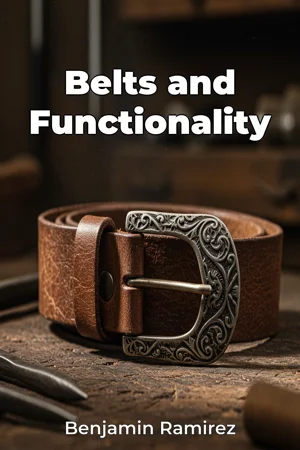
How did a simple strip of material, initially essential for holding up garments, evolve into a potent symbol of status, fashion, and personal identity? "Belts and Functionality" meticulously traces this transformation, revealing the multifaceted history of the belt from its utilitarian origins to its contemporary role as a key fashion accessory. This book explores three central themes: the belt's functional development, its symbolic representation across cultures, and its impact on the fashion industry. Understanding these aspects allows readers to appreciate the belt not merely as a practical item, but as a reflection of societal changes, technological advancements, and aesthetic preferences. To fully grasp the belt's journey, historical context is crucial. We will delve into ancient civilizations where belts first emerged as necessities for securing clothing, examining early materials and construction techniques. Social hierarchies dictated belt design, with elaborate versions signifying wealth and authority. An understanding of basic textile production and historical clothing styles will enhance the reader's appreciation of the belt's evolution. The central argument of "Belts and Functionality" is that the belt's enduring presence throughout history demonstrates humanity's consistent need for both practicality and self-expression. This argument underscores how even the simplest objects can carry significant cultural and personal meaning. The book unfolds in a structured manner. It begins by introducing the belt's earliest forms and functions. Subsequent chapters detail its development through the classical era, the Middle Ages, the Renaissance, and the Industrial Revolution, highlighting key innovations and cultural shifts that influenced belt design. Then, the focus shifts to the 20th and 21st centuries, examining mass production, designer influences, and the belt's role in shaping modern fashion trends. Finally, the book culminates by considering the future of belts in a world increasingly focused on sustainability and technological integration. The analysis is supported by diverse evidence, including archaeological finds, historical illustrations, fashion plates, museum collections, and contemporary design analyses. Unique data sources include patent records for belt buckle mechanisms and statistical analyses of belt sales across different eras. This study makes interdisciplinary connections between fashion history, material culture studies, and engineering. By considering the belt from these varied perspectives, the book offers a richer understanding of its significance. It also ties into areas of economic history when considering the development of methods of production and sale of belts. "Belts and Functionality" offers a fresh perspective by examining the functional and symbolic relevance of belts. It examines the way technological advances influenced the belt's form, and then how that form influenced self-expression. Written in a clear and accessible style, this book targets fashion enthusiasts, design students, historians, and anyone interested in the evolution of everyday objects. Its detailed research and insightful analysis will appeal to those seeking a deeper understanding of fashion history and its cultural implications. In keeping with the conventions of design and history genres, the book presents factual information in a logically organized and visually engaging manner. The scope of the book covers the global history of belts, with a deliberate focus on Western cultures due to the availability of comprehensive historical data. While acknowledging variations in belt design across different regions, the book prioritizes a detailed examination of the trends that have shaped global fashion. The book offers practical insights for contemporary designers, marketers, and consumers. By understanding the historical trajectory of belt design, readers can gain a better appreciation for current trends and anticipate future developments. While belts seem straightforward, the book touches on debates within the fashion industry regarding cultural appropriation in design and the ethical considerations surrounding mass production. These debates provide a broader context for understanding the challenges and responsibilities faced by contemporary designers and consumers.
How did a simple strip of material, initially essential for holding up garments, evolve into a potent symbol of status, fashion, and personal identity? "Belts and Functionality" meticulously traces this transformation, revealing the multifaceted history of the belt from its utilitarian origins to its contemporary role as a key fashion accessory. This book explores three central themes: the belt's functional development, its symbolic representation across cultures, and its impact on the fashion industry. Understanding these aspects allows readers to appreciate the belt not merely as a practical item, but as a reflection of societal changes, technological advancements, and aesthetic preferences. To fully grasp the belt's journey, historical context is crucial. We will delve into ancient civilizations where belts first emerged as necessities for securing clothing, examining early materials and construction techniques. Social hierarchies dictated belt design, with elaborate versions signifying wealth and authority. An understanding of basic textile production and historical clothing styles will enhance the reader's appreciation of the belt's evolution. The central argument of "Belts and Functionality" is that the belt's enduring presence throughout history demonstrates humanity's consistent need for both practicality and self-expression. This argument underscores how even the simplest objects can carry significant cultural and personal meaning. The book unfolds in a structured manner. It begins by introducing the belt's earliest forms and functions. Subsequent chapters detail its development through the classical era, the Middle Ages, the Renaissance, and the Industrial Revolution, highlighting key innovations and cultural shifts that influenced belt design. Then, the focus shifts to the 20th and 21st centuries, examining mass production, designer influences, and the belt's role in shaping modern fashion trends. Finally, the book culminates by considering the future of belts in a world increasingly focused on sustainability and technological integration. The analysis is supported by diverse evidence, including archaeological finds, historical illustrations, fashion plates, museum collections, and contemporary design analyses. Unique data sources include patent records for belt buckle mechanisms and statistical analyses of belt sales across different eras. This study makes interdisciplinary connections between fashion history, material culture studies, and engineering. By considering the belt from these varied perspectives, the book offers a richer understanding of its significance. It also ties into areas of economic history when considering the development of methods of production and sale of belts. "Belts and Functionality" offers a fresh perspective by examining the functional and symbolic relevance of belts. It examines the way technological advances influenced the belt's form, and then how that form influenced self-expression. Written in a clear and accessible style, this book targets fashion enthusiasts, design students, historians, and anyone interested in the evolution of everyday objects. Its detailed research and insightful analysis will appeal to those seeking a deeper understanding of fashion history and its cultural implications. In keeping with the conventions of design and history genres, the book presents factual information in a logically organized and visually engaging manner. The scope of the book covers the global history of belts, with a deliberate focus on Western cultures due to the availability of comprehensive historical data. While acknowledging variations in belt design across different regions, the book prioritizes a detailed examination of the trends that have shaped global fashion. The book offers practical insights for contemporary designers, marketers, and consumers. By understanding the historical trajectory of belt design, readers can gain a better appreciation for current trends and anticipate future developments. While belts seem straightforward, the book touches on debates within the fashion industry regarding cultural appropriation in design and the ethical considerations surrounding mass production. These debates provide a broader context for understanding the challenges and responsibilities faced by contemporary designers and consumers.
"Belts and Functionality" explores the surprising journey of belts, transforming from simple garment supports to powerful symbols of fashion and identity. Initially crucial for securing clothing, belts evolved significantly, reflecting societal shifts and technological advancements. The book highlights how social status influenced belt design; for example, elaborate belts once signified wealth and authority, illustrating the cultural significance woven into this everyday item. The book examines the belt's functional development, symbolic representation, and impact on the fashion industry. By tracing its history from ancient civilizations through the Renaissance and into modern fashion trends, the book reveals how belts reflect our enduring need for both practicality and self-expression. From early materials and construction to mass production and designer influences, each chapter unfolds chronologically, culminating in a look at the future of belts in an increasingly sustainable and technologically integrated world. Offering a fresh perspective on an often-overlooked accessory, "Belts and Functionality" is valuable for fashion enthusiasts, design students, and historians alike. Its detailed research and clear style provide insights into fashion history, making it accessible to anyone curious about the evolution of everyday objects.
Book Details
ISBN
9788235222855
Publisher
Publifye AS
Your Licenses
You don't own any licenses for this book
Purchase a license below to unlock this book and download the EPUB.
Purchase License
Select a tier to unlock this book
Need bulk licensing?
Contact us for enterprise agreements.